
Bridging the Gap
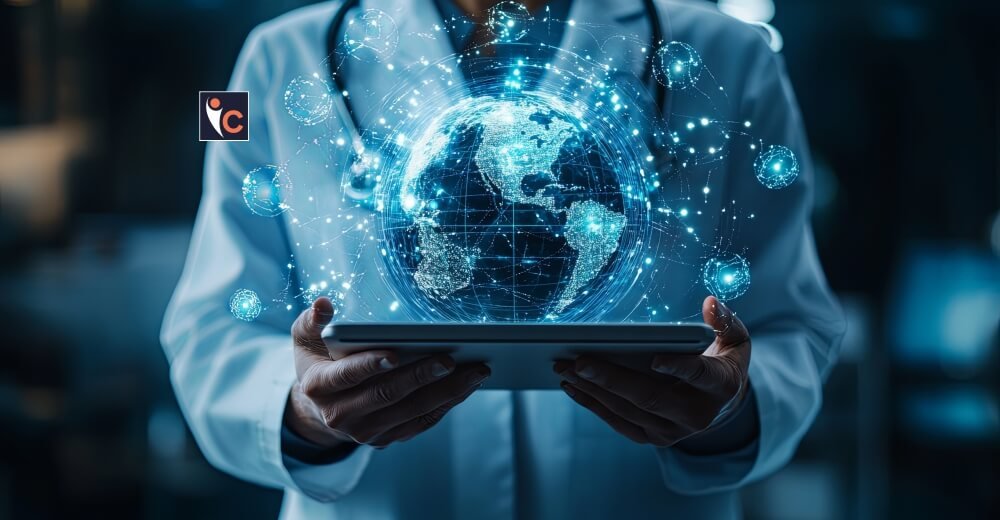
Healthcare systems all around the globe are scrambling to cope with the increasing demand of its population. Medical practitioner shortage, lack of hospital beds, and necessities have denied many an opportunity to access care in time. Health technology is becoming an important solution in this demanding environment, and it is filling the gap between supply and demand in healthcare and providing the patient with the required care.
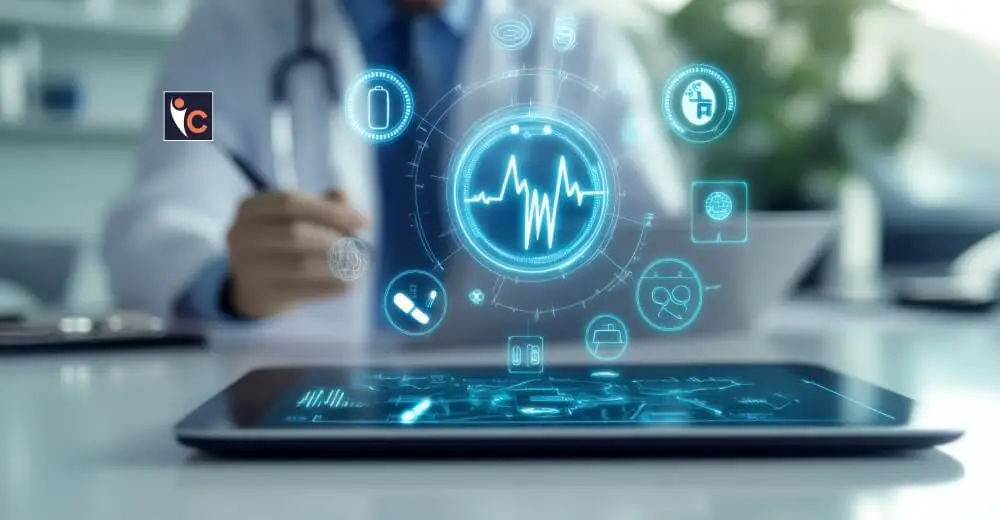
Telemedicine is one of the best innovations in health technology. Telemedicine enables the doctor to attend to the patient remotely; it is particularly essential in areas where there is a shortage of health care providers. In telemedicine, patients do not need to travel long distances to visit the doctor during normal checkups or minor consultations. It not only saves time and money but also makes sure that doctors are able to attend to more complex cases that will bring in the maximum impact with the limited healthcare resources.
The other aspect of health technology making a difference is in the area of data management. Electronic health records (EHRs) enable medical professionals to record, retrieve, and distribute information about patients. This removes redundancy of tests, reduces errors and assures a patient of quality and timely care. EHRs help to improve coordination between hospitals, clinics, and community health workers in countries with health care shortages and make sure that resources are concentrated where they would be most needed.
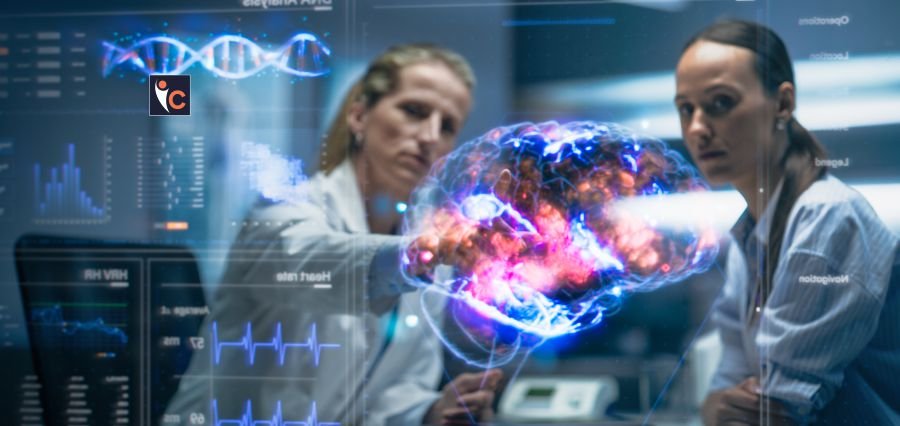
Diagnostics and treatment are also being revolutionized by health technology. Algorithms that are based on AI are capable of processing medical images, laboratories, and patient histories more quickly than human professionals, detecting possible medical conditions at an earlier stage. Prevention of the diseases is more severe and thus, it will save lives and decrease the pressure on hospitals since the conditions will be prevented at an early stage. Another type of health technology is wearable devices that enable patients to check their vital signs at home and alert their doctor about possible issues before they turn into an emergency.
Another area that health technology is filling is in medical training. Online courses, virtual reality simulations and other interactive platforms enable healthcare professionals to acquire new skills without being limited by physical classrooms. This becomes especially critical in the context of countries where there is a lack of skilled specialists due to insufficient training since a large number of healthcare professionals will be able to help more patients in a shorter period of time.
Health technology is also important in enhancing the health of the population. Online resources will be able to trace outbreaks, track vaccination efforts, and effectively teach communities about health-related issues. In regions with low levels of healthcare facilities, they can be used to ensure early intervention and preventive care so that the burden to the hospitals and clinics can be minimized. Health technology is capable of offering accessible health information to communities with few medical practitioners by using data and digital tools to provide timely and accurate information.
Moreover, health technology also assists in streamlining of operations in the hospital. Intelligent patient flow technologies, automated scheduling, and inventory management systems are applied to make sure that the limited resources, including personnel and equipment, are utilized effectively. Hospitals will be able to shorten the waiting time, avoid congestions and also be able to provide critical care to patients who are in urgent need of such care. This efficiency in operations is essential in areas where there is a shortage of healthcare and each resource matters.
Health technology is a potent instrument in solving the global healthcare crisis, which cannot be resolved immediately but mitigating shortages and enhancing the availability of care. Health technology is changing the manner of care provision across the globe by eliminating obstacles, improving efficiency, and elevating the capacity of medical workers.
To sum up, health technology is the solution to the challenge of global healthcare shortage and also closing the demand-supply gap. Telemedicine and AI diagnostics, wearables, and digital public health endeavors are just some of the ways that these technologies are making healthcare more accessible, better, and more sustainable. With increasing healthcare needs in countries, investment on healthcare technology is not only a decision but also a need.
Health technology is demonstrating that innovation, when coupled with careful application can transcend the problem of limited resources and guarantee that quality healthcare is available to everyone everywhere.