


Advanced Recovery Approaches
Substance use disorders (SUDs) remain a significant societal issue in the entire world. Although the addiction stigma is slowly being reduced, effective, compassionate, and innovative care is needed more than ever. The forefront of this change is the recovery health providers who are providing advanced methods that are neither only effective in treating addiction but also in providing long-term recovery and quality life. Care in this area is becoming more patient-centered, holistic, and technology-powered in the future.
The conventional method of addiction treatment was based on detoxification and inpatient treatment, and short-term outpatient treatment was commonly used. Even though such approaches have already benefited millions of people, they do not always resolve the primary cause of substance use or the long-term requirements of recovery. Recovery health providers are now adopting more holistic approaches to medical treatment and mental health, including social services and peer support networks.
The combination of evidence-based treatment and individualized care is one of the greatest developments in SUD care. The providers have come to the realization that addiction does not have a universal experience between two individuals. Genetics, mental health, family history, and social environment are some of the factors that determine the road of a person towards recovery. Through the evaluation of these aspects, recovery health professionals will be able to develop interventions that address individual needs of patients. This is a better way to ensure engagement, the relapse rates are minimized, and the recovery is a long term one.
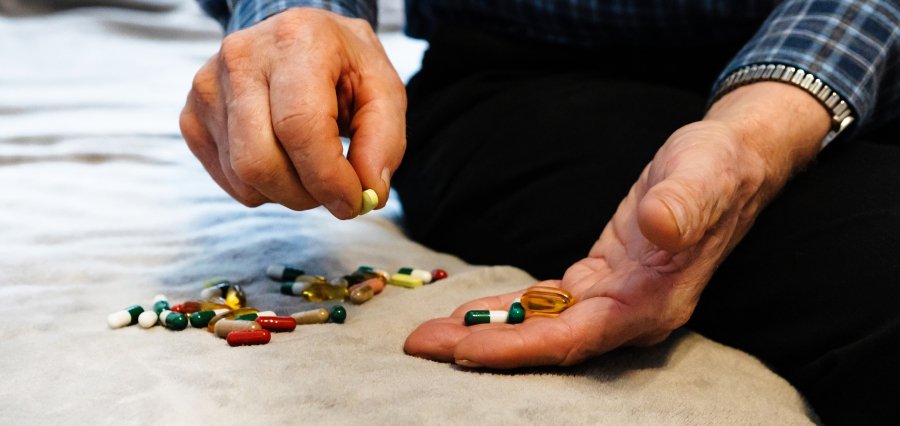
Medication-assisted treatment (MAT) has also established itself as one of the foundations of current SUD care. MAT involves FDA approved drugs that are used along with counseling and behavior therapies to control withdrawal symptoms and declining cravings. Buprenorphine, methadone, and naltrexone have been demonstrated to be an important way of enhancing the recovery outcomes of people affected by opioid use disorder. Recovery health providers are currently incorporating MAT with a continuum of psychological support, forming a two-fold strategy that focuses on a physical and emotional side of addiction.
The other technology that is set to bring more hope is technology in recovery. There is increased access to treatment than ever before with telehealth platforms, mobile apps, and online support groups. These applications enable any individual to communicate with counselors, monitor the progress, and retrieve resources at the comfort of their homes. Virtual recovery programs are further useful especially to those residing in the rural set-ups or to people whose mobility or transport capabilities are impaired. With the ever-growing technology, there are high chances that the digital tools will be more significant in aiding patients to have a long-term recovery.
The concept of holistic care is also becoming increasingly popular among substance use recovery. Practices included in treatment programs by many providers include mindfulness, yoga, nutrition counseling, and exercise. These methods embrace the entire human being mind, body and soul and help in fostering well being. Through healthy behaviors and coping mechanisms, holistic care can assist patients to reconstruct their lives and lower chances of relapse.
The other essential aspect of contemporary recovery strategies is peer support. Professional providers alone may fail to offer guidance, encouragement and accountability, because this comes from individuals who have a lived experience of addiction. Recovery health practitioners are also establishing peer support systems where patients can get to meet with mentors who have been through recovery and are familiar with the difficulties and successes of recovery.
Overall, substance use disorder care has a future in teamwork and creativity. Recovery health providers are in collaboration with the researchers, policy-makers, and communities to come up with new approaches and maximize the access to treatment. Stigma is being minimised, more funding is being allocated towards recovery programs, and addiction care is becoming part of mainstream healthcare.
Bringing it all together, it is true that the sphere of substance use disorder treatment is developing at a very fast pace, and it is possible to attribute such a progress to the recovery health providers who are leading the pack in terms of innovative methods. Individualized treatment, medication-aided therapy, use of technologies, holistic therapy, and peer support are transforming the recovery scene.