
Prime Highlight
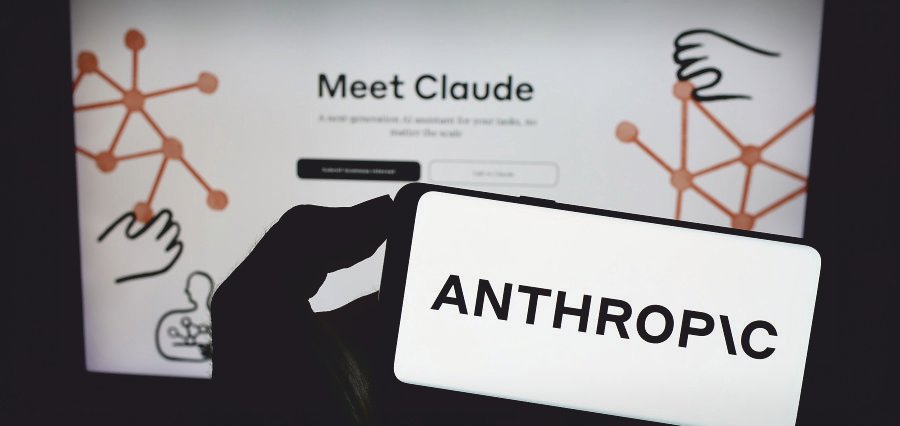
- Anthropic introduced Claude for Healthcare, a suite of AI tools to support doctors, insurers, and patients with research, documentation, and administrative work.
- The platform automates routine tasks, allowing clinicians to spend more time on patient care while improving workflow efficiency.
Key Facts
- Claude for Healthcare uses “connectors” to access trusted medical and policy databases like PubMed, ICD-10 codes, and Medicare coverage information.
- The system integrates data from smartphones, smartwatches, and other platforms, while ensuring patient information is not used to train the AI models.
Background
Anthropic has launched Claude for Healthcare, a new set of AI tools designed to support doctors, insurers and patients by simplifying medical research, documentation, and administrative work. The announcement follows OpenAI’s recent launch of ChatGPT Health and signals growing interest in AI-powered healthcare support.
Claude for Healthcare allows users to connect health data from smartphones, smartwatches, and other platforms. Anthropic said this data will not be used to train its models. The company said its healthcare tools aim to go beyond basic chat features by offering advanced support for medical and insurance workflows.
A key feature of the platform is the use of “connectors,” which allow Claude to access trusted medical and policy databases. These include the Centers for Medicare and Medicaid Services Coverage Database, ICD-10 medical codes, the National Provider Identifier system, and PubMed. This access helps speed up research, reporting, and documentation for healthcare professionals.
Anthropic said Claude can help doctors with prior authorization reviews by handling some of the paperwork needed for insurance approval. This reduces their administrative work and lets them spend more time caring for patients.
Mike Krieger, chief product officer at Anthropic, said clinicians often spend more time on paperwork than with patients. He said automating routine tasks can improve efficiency while allowing doctors to use their expertise where it matters most.
Anthropic acknowledged that people already turn to AI for health-related questions. OpenAI said about 230 million users talk about health with ChatGPT each week, showing a big need for easy-to-access health information.
Both Anthropic and OpenAI stress that AI tools are designed to support, not replace, healthcare professionals. They tell users to get advice from qualified doctors for safe and personalized care.
Anthropic said Claude for Healthcare reflects a positive step toward safer, more efficient, and patient-focused use of AI in the medical field.