

Healthcare leaders used to succeed by being great clinicians. That’s not enough anymore. Today’s reality demands something different. Leaders are balancing compassion with accountability, data with instinct, and innovation despite shrinking budgets. As payment models shift and mental health needs surge, organizations are expected to do more with less while keeping care completely personal.
Mental health providers feel this pressure every day. They juggle complicated funding, support people at some of the hardest moments of their lives and rely on teams doing deeply emotional work. Real innovation here is not about speed or scale. It is about building care models that truly support the people who need help and the people who show up to provide it.
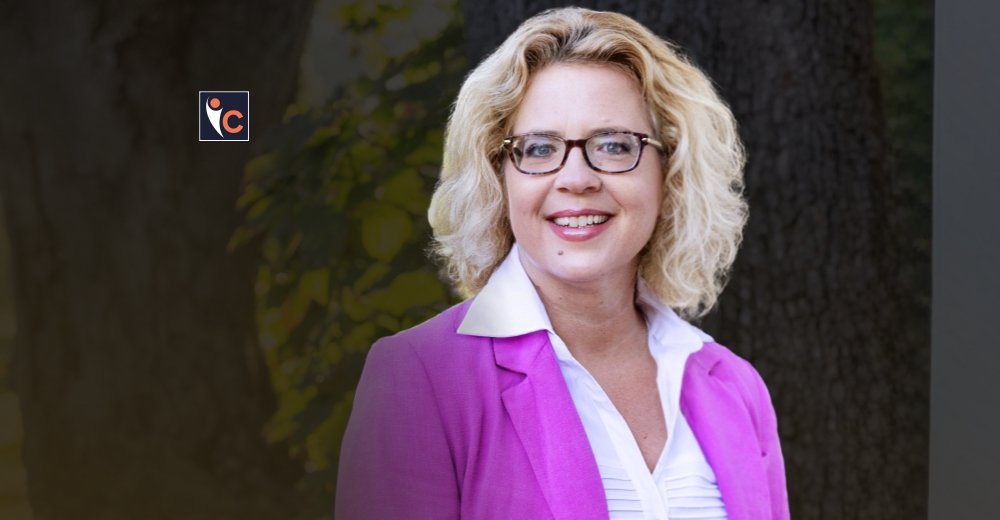
Today, Dr. Audrey Klein , PhD, MBA leads as Chief Clinical Officer at Caminar. Her career has been shaped by evidence-based practice, operational rigor, and a practical understanding of human behavior. More than titles or credentials, her work has focused on making sure mental health care truly reaches those who need it most.
Let’s understand how Dr. Audrey Klein builds innovative care models that truly meet people where they are!
The Drive Behind the Work
Audrey’s journey into healthcare leadership began with curiosity rather than ambition. As a college sophomore, she took her first psychology course and discovered a discipline that immediately resonated with her. Psychology offered insight into why people behave the way they do and how that understanding could be used to support long-term mental health.
Early on, she became aware of how often mental health is overlooked within the broader healthcare system. Despite its impact on individuals and families, it has historically received less attention, fewer resources, and limited structural support. That realization fueled her passion and shaped her professional direction.
Her early career was spent at the Hazelden Betty Ford Foundation, a large nonprofit organization providing alcohol and drug treatment services. Over more than ten years, she worked across clinical research and data analytics, leading a team that supported treatment programs throughout the organization. The work involved evaluating program effectiveness, identifying which interventions worked best for specific individuals, and developing new services to address unmet clinical needs.
This experience gave her a strong foundation in evidence-based care and taught her how to translate data into practical improvements. It also reinforced the importance of aligning clinical outcomes with organizational strategy, a skill that would later become essential.
Entering the Digital Health Space
Around 2018, as mobile technology and digital health solutions gained momentum, Dr. Audrey Klein transitioned into the health technology sector. Over the next five years, she worked with two digital health companies focused on expanding access to mental health services through mobile-based tools and telehealth platforms.
One of these organizations focused specifically on providing evidence-based therapy to individuals living with serious mental illness. While the technology itself showed promise, the work revealed a deeper issue. People with severe and clinically complex mental health conditions were among the most underserved within the healthcare system.
The experience clarified something important. Technology can expand access, but it does not automatically solve systemic gaps or guarantee high levels of client engagement. Without intentional design and leadership, the people with the greatest needs can still be left behind.
This understanding played a key role when she discovered the opportunity at Caminar. After researching the organization, reviewing its programs, and watching videos from individuals whose lives had been impacted by its services, the decision became personal. Learning that one former client had joined the organization as an employee was especially meaningful.
Submitting her application felt emotional, not transactional. Her first meeting with the CEO, Mark Cloutier, confirmed that the organization’s mission aligned closely with her values and experience.
Mission as a Daily Responsibility
As Chief Clinical Officer, Dr. Audrey Klein views her role through a simple but demanding lens: advancing the mission every day. Caminar exists to build strength and stability through comprehensive mental health and substance use treatment services, delivered through evidence-based, whole-person care.
The organization’s vision is to be a source of safety, compassion, and fulfillment for individuals in the communities it serves. This vision shapes not only clinical decisions, but also how teams are supported and how programs are designed.
Dr. Audrey Klein is clear about one thing. “There is no mission without the Caminar team—period.” That belief guides her leadership approach. Supporting staff is not separate from delivering care. It is central to it.
Her responsibilities include ensuring that team members have the tools, resources, and capacity to succeed consistently. The goal is not occasional excellence, but reliable, sustainable performance in roles that are emotionally and professionally demanding.
What she finds most meaningful is helping those closest to the work feel supported, capable, and valued. When staff thrive, clients benefit. When teams feel invested in, care improves naturally.
A Leadership Style Grounded in Service
Audrey’s leadership philosophy is anchored in two guiding principles: people first and being of service. These values apply equally to the individuals receiving care and to the staff delivering it.
A people-first approach means person-centered thinking, individualized supports, and tailored interventions. It recognizes that no two clients are the same and that no two staff members grow in the same way. Leadership, in this context, becomes about creating space for individual strengths to emerge.
She often emphasizes that “My role as a leader is to inspire and empower staff who are doing truly life-altering work.” That empowerment includes professional development, emotional support, and a workplace culture built on trust and inclusion.
Caminar’s care model is complex and comprehensive. It requires collaboration among clinicians, individuals with lived experience, and professionals with strong service and operational skills. Diversity of perspective and experience is essential to making the model work.
Dr. Audrey Klein sees her role as removing obstacles, encouraging collaboration, and showing up as a partner and coach rather than a directive authority.
Navigating Payment Reform and Organizational Change
One of the most significant challenges during her tenure has been the transition from cost reimbursement to fee-for-service reimbursement under California’s CalAIM initiative. For many years, programs operated under contracts that reimbursed costs rather than services delivered.
The new model required a shift toward billing based on specific services, mapped to CPT codes, and supported by documentation and performance tracking. While common in other areas of healthcare, this approach was new for the organization.
Successfully navigating this change required a move toward data-driven decision-making. Dr. Audrey Klein led the implementation of standardized key performance indicators across programs, allowing teams to track both clinical and operational outcomes in a consistent way.
Data became a regular part of program discussions. Teams analyzed trends, identified areas of concern, and worked together to improve workflows. A decline in referrals prompted investigation and corrective action. An increase in admissions became an opportunity to understand what was working.
Reflecting on the transformation, Dr. Audrey Klein states, “Changing key aspects of work is difficult, even when the reasons for the change are clear. Leading people through this type of operational and cultural change requires ongoing partnership, collaboration, and creating space to have difficult conversations. It involves asking people to move forward in the face of uncertainty and doubt to continue to serve and support Caminar’s clients and communities.
These changes have led to stronger client engagement, longer retention in care, improved financial performance, and greater long-term stability.
Putting People at the Center of Innovation
While many healthcare organizations focus heavily on digital expansion, Caminar has taken a different approach. Strategically, the organization is not prioritizing digital tools as the primary driver of innovation.
Many individuals served by Caminar live with serious mental health issues and other co-occurring challenges. These challenges often require immediate, hands-on support. Digital platforms alone cannot meet those needs.
Dr. Audrey Klein explains the philosophy clearly: “Our model has always been, and will continue to be, meeting people where they are, both literally and figuratively.”
That commitment shows up in daily practice. Case managers meet clients in the community and transport them to medical appointments. Vocational staff help individuals prepare for job interviews and secure appropriate clothing for professional encounters. Nurses travel to homes to assist with medication management.
Innovation, in this context, is about integration rather than technology. Mental health services, addiction treatment, housing support, and employment services are intentionally offered under one organizational structure to reduce fragmentation and improve continuity of care.
Preparing for What Comes Next
Looking ahead, Dr. Audrey Klein recognizes that healthcare leaders must prepare for ongoing change. Artificial intelligence is already influencing many aspects of healthcare, particularly administrative workflows and documentation.
She acknowledges the value of tools that reduce clinician burden, but believes the greater opportunity lies in predictive analytics. AI has the potential to analyze large volumes of healthcare data from millions of clinical encounters and identify risks before they become crises.
This kind of preventative insight could transform how both physical and mental health conditions are addressed. Still, she remains clear that technology must support, not replace, human judgment and presence.
Growing Without Losing the Human Touch
Caminar’s growth strategy focuses on thoughtful expansion rather than rapid scale. The organization is working to expand its program portfolio into new markets while maintaining its high-touch, community-based approach.
One upcoming initiative is a Teen and Family Wellness Program in Palo Alto. The program will offer group and individual therapy for adolescents and their families. Adolescents remain an extremely underserved population in mental health care, and this program reflects a commitment to early and meaningful intervention.
The organization is also expanding private-pay, concierge-style services. These include the Caminar Teen and Family Wellness Center – Palo Alto and the Olivos program in San Mateo County, a high-touch clinical case management program for clients and families.
These offerings allow the organization to serve different populations, diversify revenue streams, and strengthen its long-term sustainability without compromising its mission.
Guidance for Future Clinical Leaders
When asked to share advice for aspiring clinical leaders, Dr. Audrey Klein focuses on balance. She encourages leaders to strengthen business and operational skills alongside clinical expertise. Modern healthcare leadership requires the ability to view challenges through both lenses.
Her own experience includes gaining operational exposure across organizations and completing an MBA later in her career. These experiences equipped her to engage in strategic decisions related to organizational structure, outsourcing, and growth.
She also emphasizes that leadership success depends on investing in people. Professional development does not happen by chance. It requires intentional planning, consistent support, and genuine partnership.
As she reminds future leaders, “The future of care rests on the individuals who provide the services and support to people in need.”
Present, Purposeful Leadership
Audrey’s leadership is defined by consistency, humility, and presence. In an industry often driven by metrics and scale, her approach remains grounded in the daily realities of clients and staff.
By aligning clinical excellence with operational strength and placing people at the center of every decision, she demonstrates what it means to lead meaningful innovation in patient care.
Her work serves as a reminder that lasting impact in healthcare is built not only through systems and strategies, but through steady, human-centered leadership that shows up every day.