
No two days or patients are alike in healthcare. Leaders have to confront inequalities, keep up with technology, and balance practical care with forward-thinking strategies. In cities, where people come from many different backgrounds, healthcare goes beyond medicine. It’s about systems that see and support every patient. Transformative leadership helps hospitals turn the ideas of fairness, access, and quality into everyday practice.
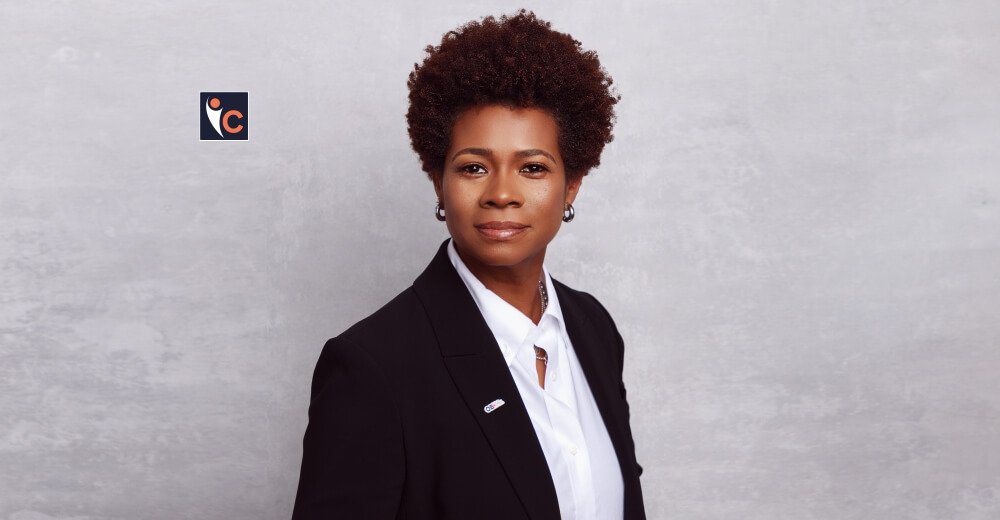
Amid all the changes in healthcare, one leader is making a real difference in Brooklyn. As the CEO of One Brooklyn Health, Dr. Sandra Scott combines medical expertise with a clear vision for how to improve care for some of New York City’s most diverse and underserved communities. Having worked in high-pressure medical roles and closely with the community, and with a strong dedication to health equity, she knows how to lead hospitals and care centers to better serve patients.
Her path began with a dream she had as a child and a commitment to leadership that focuses on decisions that truly improve lives. Each step along her path highlights both her professional abilities and her dedication to building healthcare that serves everyone.
Let’s follow Dr. Scott’s path in transforming healthcare delivery, prioritizing equity, community engagement, and better outcomes for all patients!
Childhood Ambitions to Executive Leadership
For Dr. Sandra Scott , the seeds of her career were planted early. “My journey to becoming the CEO of One Brooklyn Health started with a childhood dream of becoming a doctor,” she recalls, a reflection that reveals both the clarity of her early ambitions and the persistence that carried her through decades of education and practice. That dream took root in Louisiana, where she earned her degree from Louisiana State University in Baton Rouge, before continuing to Baylor College of Medicine in Houston.
After medical school, her residency in Emergency Medicine at Boston Medical Center became a formative period, immersing her in high-stakes, fast-paced clinical work. Over the years, she took on significant leadership responsibilities, serving as Chief of Service for Emergency Medicine at Rutgers’s New Jersey Medical School and Chair of Emergency Medicine at Lincoln Medical Center in the South Bronx. Each role expanded her understanding of hospital operations, community health needs, and the importance of responsive care delivery.
The turning point in her trajectory came unexpectedly, with a global crisis. “The pivotal moment came with the onset of COVID-19, which highlighted the urgent need for systemic change in healthcare.” Recognizing that she could make a greater impact by influencing policy and organizational direction, she accepted the position of Executive Director in May 2021, building on her leadership as Chair of Emergency Medicine at Brookdale since 2018 and for the broader system since 2020. These roles were the foundation for her eventual appointment as CEO, where her vision for transformation took center stage.
Guiding a Network Through Change
At the head of One Brooklyn Health, Dr. Sandra Scott oversees an integrated system that includes two acute care hospitals, nine ambulatory sites, and two long-term care facilities. These serve neighborhoods such as Brownsville, East New York, Canarsie, Bedford Stuyvesant, and Crown Heights—areas where healthcare needs are as varied as the populations themselves. Her leadership is defined by a mission to provide greater access to quality medical care, foster community health, and address the diverse social determinants that impact patient well-being.
Her strategy is both systemic and personal. “As the leader of One Brooklyn Health, my primary responsibilities revolve around overseeing the transition and transformation of our hospital system,” she explains. Redesigning the healthcare delivery model is central to this transformation, ensuring that “every individual receives the care they deserve, regardless of their background.” This involves initiatives such as combating food insecurity through targeted distribution programs, expanding access to specialty care, conducting screenings for social determinants of health, and spearheading performance improvement projects across departments.
With over 6,000 employees—many of whom live in the communities they serve—she places a strong emphasis on creating a diverse and inclusive environment. This is not simply an internal culture goal but a strategic imperative, as it strengthens trust between providers and patients while improving care outcomes.
The Power of a Multifaceted Perspective
Dr. Scott’s background as an emergency medicine physician gives her a distinct advantage in healthcare leadership. Her time in the ER honed her ability to act decisively under pressure, coordinate multidisciplinary teams, and address urgent health crises head-on. “With my background in emergency medicine, leadership roles in various healthcare settings, and a strong commitment to community service and advocacy, I bring a multifaceted perspective to healthcare transformation,” she says, summing up the breadth of her qualifications.
Her professional history spans both academic medical centers and community hospitals, allowing her to appreciate the differences in resources, patient populations, and institutional priorities. She also draws on her experience in international medical missions and local community initiatives, which have deepened her understanding of delivering care in resource-limited settings. These experiences are now reflected in the programs she leads at One Brooklyn Health, from expanding specialty services to addressing systemic inequities head-on.
Mission and Vision
The organization’s guiding principles are clear. “The mission of One Brooklyn Health is to provide greater access to high-quality medical care, promote community health through an integrated care system that respects the diversity of our communities, and address both the health needs and unique factors that shape them.”
The vision is: “To be the trusted healthcare partner for our patients, empowered by a unified workforce, with a shared commitment to advancing health.” This statement highlights the importance of trust, teamwork, and a shared dedication to improving health outcomes across the communities OBH serves.
What sets the organization apart is its integrated model—offering acute care, ambulatory services, and long-term care within one network, creating continuity and coordination for patients. This model also allows for deeper collaboration with government agencies, community leaders, and advocacy groups to ensure services reflect the real needs of the population. By combining a broad service portfolio with localized engagement, One Brooklyn Health positions itself not just as a care provider but as a trusted partner in community well-being.
A Philosophy of Empowerment
In her own words, Dr. Sandra Scott describes her leadership style as “all about transformation.” She continues, “I’m for motivating and uplifting others to be their best selves, fostering a vibe of teamwork, fresh ideas, and continuous learning. I’m a big believer in listening to different perspectives and rallying everyone around a shared goal.” Her focus on empowerment is not just rhetoric—it’s embedded in the way she structures teams, encourages innovation, and ensures that staff at every level feel valued.
This philosophy has practical results. When employees feel inspired and supported, engagement rises, and creativity flourishes, leading to solutions that might not have emerged in a more hierarchical or rigid environment. For a system as complex as One Brooklyn Health, these qualities are critical for navigating change while maintaining high-quality patient care.
Training for a New Standard of Care
One of the signature initiatives under Dr. Scott’s leadership is the Patient-Centered Care Training program. “One of the most impactful initiatives I’ve led was the launch of the Patient-Centered Care Training program at One Brooklyn Health,” she says, explaining that the goal was to elevate patient experience across the entire network. Partnering with the 1199 SEIU Training and Education Fund, her team created a curriculum centered on empathy, communication, and trust-building.
Launched in June 2024, the program began with executive leadership and used a train-the-trainer model to reach over 6,000 employees systemwide. This cascading approach ensured that the values of dignity and respect permeated every level of the organization. Looking forward, the program will be integrated into onboarding and professional development, making patient-centered care a living standard rather than a distant ideal.
Confronting Industry Challenges
The realities of healthcare financing present a constant test for leaders. “One of the biggest challenges healthcare faces today is relying more on government-funded programs like Medicare and Medicaid, especially with the added pressure of retaining healthcare workers post-COVID,” Dr. Sandra Scott notes. Medicaid reimbursement rates lag significantly behind Medicare and commercial payors, placing financial strain on hospitals that serve low-income populations.
Her approach to overcoming these obstacles is twofold. First, she is leveraging technology—virtual visits, remote monitoring, and other innovations—to increase accessibility and efficiency. Second, she is investing in the workforce through staffing innovations, training programs, and partnerships to ensure there are enough skilled professionals to meet community needs. Advocacy is also part of the strategy, as she supports policy changes aimed at closing payment gaps and creating more sustainable funding models for safety-net hospitals.
Diversity as a Core Value
For Dr. Sandra Scott , diversity and inclusion are not auxiliary concerns—they are embedded in the operational DNA of the organization. “Diversity and inclusion are not just buzzwords for us; they are core values that drive everything we do at One Brooklyn Health.” To support this, the organization has established a dedicated health equity team tasked with promoting racial equity, gender justice, and combating structural inequities across the system.
This team’s work includes strategic planning, process improvements, and direct engagement with the community, ensuring that the system’s internal culture mirrors the values it promotes externally. By institutionalizing equity at both the staff and patient levels, the organization strengthens trust, improves outcomes, and sets an example for others in the field.
Innovation for Community Impact
Technology is a vital part of Dr. Scott’s strategy for modernizing care. One Brooklyn Health is “actively exploring and implementing various innovations and advancements in healthcare technology to enhance patient care and improve outcomes.” Telemedicine has been integrated into the delivery model, expanding access for patients who face barriers such as mobility limitations or transportation issues.
The organization also uses data analytics to better understand patient populations, identify health trends, and predict outcomes. By taking a data-driven approach, they can target interventions more precisely, reducing disparities and improving population health. Yet Dr. Sandra Scott is clear-eyed about the role of technology: while essential, it must be combined with workforce support and patient-centered care to achieve lasting impact.
A Vision for One Brooklyn Health
Looking ahead, Dr. Sandra Scott envisions “a future of healthcare that is accessible, equitable, and community-driven.” This vision includes a strong focus on preventive care and population health management, proactive outreach, health education, and collaboration with local organizations. By addressing social determinants of health directly, the organization aims not only to treat illness but to prevent it, improving overall community wellness.
Her goal is to position One Brooklyn Health as a catalyst for positive change in Brooklyn, fostering innovation while staying rooted in the community’s real needs. It’s an approach that blends the best of large-scale healthcare strategy with a hyper-local understanding of patient realities.
Guiding the Next Generation
As a woman leading in a space still largely dominated by men, Dr. Sandra Scott speaks directly to aspiring female leaders: “As a black woman in healthcare executive leadership, my advice to other women aspiring to leadership roles is to embrace your unique perspectives and experiences.” She emphasizes the importance of self-advocacy, building strong networks, and seeking mentors who can guide and support along the way.
She also cautions against neglecting personal well-being. “Prioritize self-care and resilience, as women in leadership roles often face unique pressures and challenges,” she advises, underscoring that health and happiness are as essential as professional achievement. Her final counsel is to lead with authenticity: “Your authenticity is your greatest asset, and it will inspire others to embrace their true selves as well.”