All the spotlight about healthcare reform and cost containment tends to overshadow a more personal question: how do societies care for people as they age? Senior care and post-acute services exist at the intersection of medicine, policy, family, and dignity. And as people live longer with multiple chronic conditions, the system is being stretched beyond its original design. It was built to treat episodes of illness, not to support complexity over time.
That’s why leadership in this space looks different. The most influential figures aren’t just running operations or deploying technology. They’re bridging the gap between data and humanity, between policy abstractions and real lives. Their work doesn’t often make headlines, but it determines how millions of older adults spend their final days, months, years, or decades.
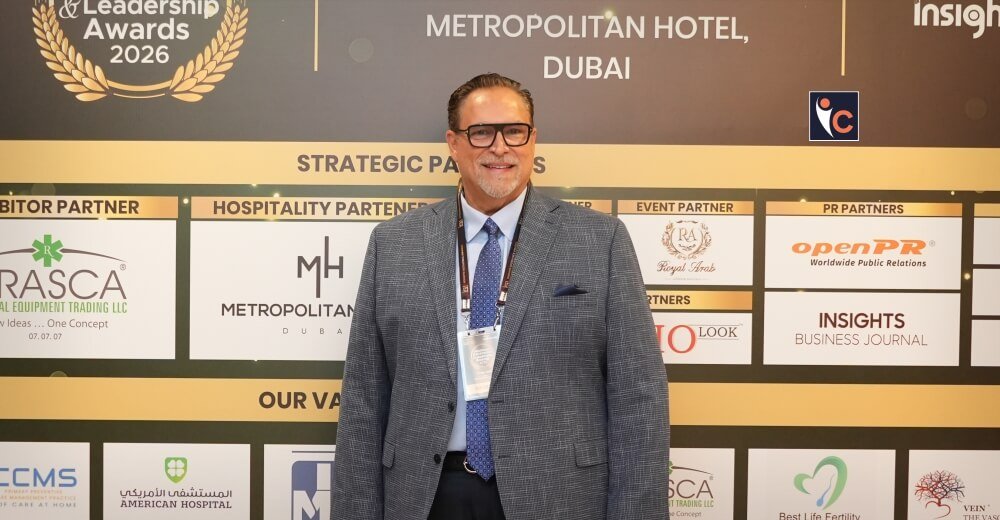
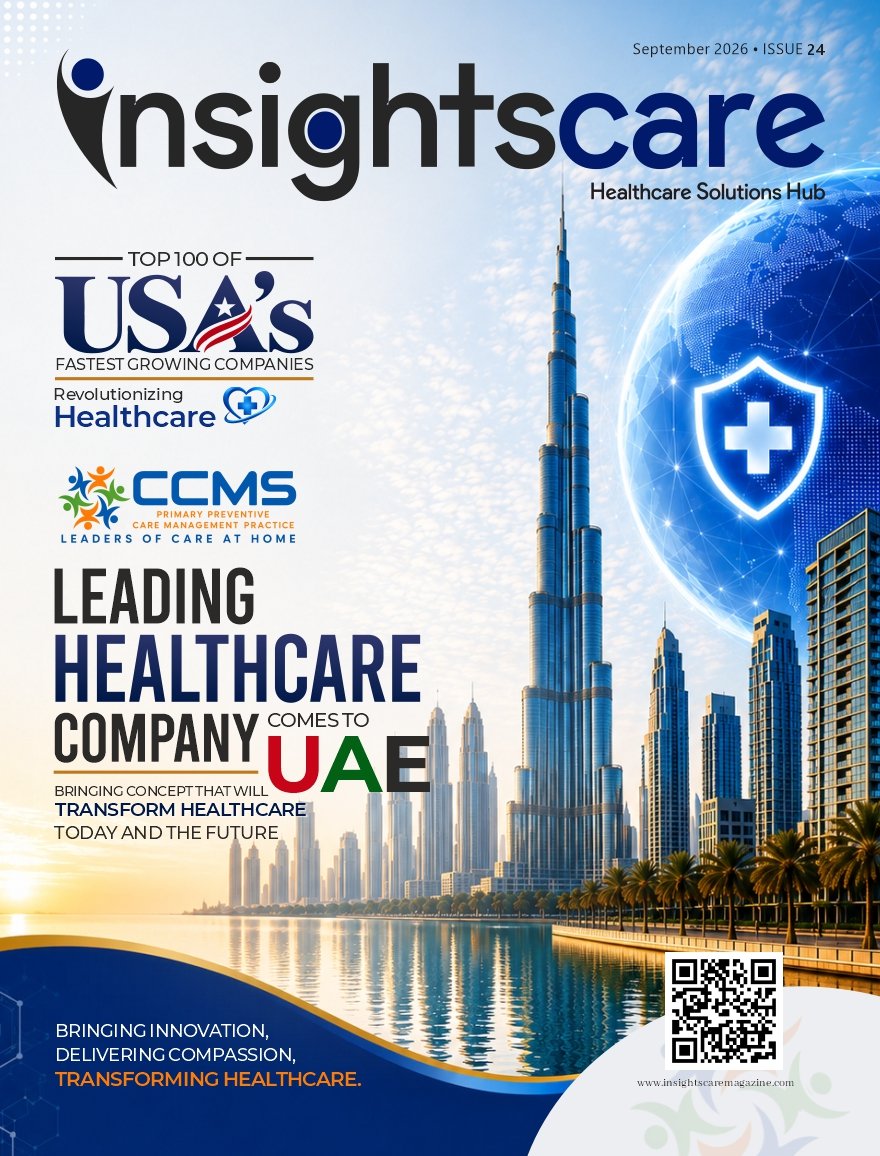
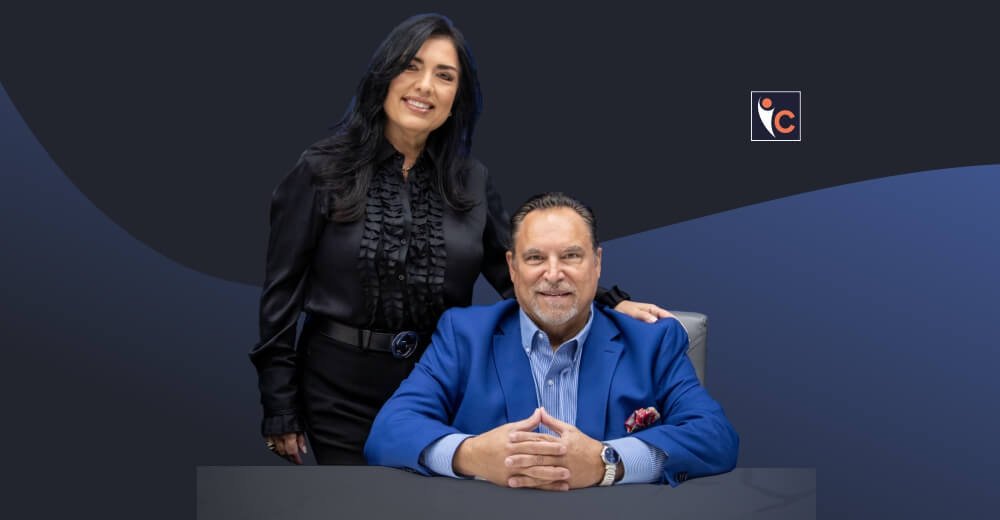
One leader helping redefine accountable, compassionate aging services is Mario Espino, Founder, Chairman, and CEO of Complete Care Management Services (CCMS). After more than forty years in healthcare, working across nearly every part of the delivery system, Mario Espino has built something anchored in a simple premise: the best care starts and ends where people actually live.
Let’s explore how Mario Espino is transforming senior care with data-driven, compassionate solutions!
A Career Shaped by Continuity, Not Chance
Espino’s journey into senior care did not begin with a single defining moment. Instead, it took shape over time through experience, observation, and learning. As he explains, “I think it has been a collage of experiences.” He entered healthcare at 23 and, over 44 years, remained deeply embedded in the system, watching how patients move through care and where gaps appear.
That span of time gave him something rare: continuity. While many professionals focus on one specialty, Espino’s career stretched across durable medical equipment, home health, infusion services, laboratory operations, private practice, multi-specialty physician groups, hospitals, and healthcare software. Each role added a new understanding of how care is delivered, reimbursed, and experienced.
These perspectives eventually formed what he describes as a single path of experience. “When all your experiences combined create a 360-degree understanding of medicine, instead of down one corridor, you are blessed in many ways because you get to hear many stories and learn from many different places.” Those clinical, operational, and personal stories later shaped the foundation of the CCMS care model.
Mario Espino was also drawn early to innovation. In the 1990s, he became involved in the IBM Watson project, one of the earliest efforts to apply artificial intelligence to healthcare decision making. Long before AI entered mainstream discussion, he was exploring how data could strengthen clinical judgment rather than replace it.
That interest led him to collaboration as a consultant with the Centers for Medicare and Medicaid Innovations, he worked on multiple demonstration projects testing new care and payment models. These initiatives placed him at the center of complex healthcare efforts focused on improving outcomes while reducing costs for the most vulnerable patients.
Seeing the Whole System Through Data
One of Espino’s greatest strengths is his ability to work with data. He knows where to find it, how to interpret it, and how to turn it into action. Through government programs, he was granted direct access to federal systems, including SPOT, placing him inside the government’s data infrastructure. “Knowing where to get the data and how to use it was critical,” he says.
This access allowed him to see healthcare as a connected system rather than a series of isolated encounters. Using PQRS quality reporting, CPT codes, and ICD-10 data, he compared providers by both quality and cost. This made clear distinctions between high-quality, low-cost care and expensive care with poor outcomes.
Espino’s mindset is deeply analytical. “I approach everything mathematically,” he explains. Technology and data visualization enabled him to analyze large datasets, identify patterns, and pinpoint exactly where care delivery was failing.
What emerged was not always easy to address. Many of the most serious gaps were tied to work that was poorly reimbursed or not reimbursed at all. Billing was for a reaction to something that was not good medically instead of providing care for prevention. Medication reconciliation, trend monitoring, patient education, and proactive follow-up were often overlooked because they did not fit traditional billing structures.
These overlooked areas became his focus. Over the past decade, Mario Espino has concentrated on what he calls maximizing “Best Practices”. For him, this is not a slogan but a discipline that means delivering the right care for the right patient in the right setting, even when it is operationally difficult.
Why the Home Became the Center of Gravity
As Espino’s work increasingly centered on older adults with multiple chronic conditions, one insight became clear. Some of the most important details about a patient’s health never surface in clinics or hospitals. The reasons are both structural and human.
One early challenge was encouraging physicians to work in the field. Many doctors began their careers making house calls but later moved into office settings after building a patient base. That shift removed them from the environments where daily habits and social factors directly affect health.
In exam rooms, power dynamics often limit honesty. Older patients may see physicians as authority figures, leading them to minimize symptoms or hide confusion. In the home, that dynamic changes. The physician becomes a guest, and conversations tend to be more open and honest.
This setting reveals information no lab test can capture. It shows how medications are taken, or not and stored, what patients actually eat, whether they live alone, and how they manage daily life. It also exposes the gap between prescribed care and real-world behavior.
Medication reconciliation clearly illustrates this gap. In an office visit, patients may say nothing has changed, yet they may be taking prescriptions from multiple physicians, continuing discontinued medications, or misunderstanding doses. Even clinicians struggle to recall every medication without seeing the bottles.
By reviewing medications directly in the home and documenting them with photographs, CCMS allows for accurate reconciliation. Nurses and specialized software then review everything in detail. This process frequently uncovers serious risks, including patients unknowingly taking multiple blood pressure medications that destabilize their system.
From Static Numbers to Living Trends
Vital signs are some of the most basic tools in medicine, yet Mario Espino believes they are often treated too simply. Emergency services rely on single measurements to decide whether a patient should be hospitalized. This works for acute crises but is inadequate for managing chronic disease.
At CCMS, every home visit collects data such as blood pressure, oxygen levels, blood sugar, and EKG readings. What matters is not a single number but how these measurements change over time. Tracking trends transforms isolated readings into meaningful stories.
A patient may live for years with dangerously high blood pressure and feel fine, but that does not make it safe. Through careful medication adjustments and continuous monitoring, clinicians guide patients toward healthier levels while watching for side effects.
Trend analysis extends beyond individual visits. Physicians review vital data monthly to detect subtle changes that could signal future problems. Early intervention becomes possible because the system is designed to notice what others often miss.
For Mario Espino , this approach is both clinical and philosophical. Hospitals are built for acute care. Chronic conditions develop over time and should not be managed reactively in emergency rooms, which is costly, inefficient, and often harmful.
When Proactivity Becomes the Difference Between Life and Death
The value of proactive care is clear in real cases. Mario Espino recalls a woman who developed sepsis from a urinary tract infection without typical symptoms. She was later found unconscious in her car. Without early testing and monitoring, the infection could have been fatal.
CCMS clinicians intervened in time to save her life, though she later experienced a transient ischemic attack, showing how vulnerable these patients can be when warning signs are missed.
Stories like this reinforce Espino’s belief that accountability in care must be practiced daily. It happens in patients’ homes, through systems designed to anticipate risk rather than react to crisis.
Building Accountability Into the Model
CCMS was founded on a simple but demanding principle: true accountability requires presence, responsiveness, and willingness to handle complexity. From the start, the mission focused on helping people age in place with quality of life, recognizing that institutionalization often results from preventable failures.
Without intervention, the path is familiar: hospital admissions, infections, excessive testing, and procedures that may prolong life but reduce dignity. Mario Espino emphasizes that emergency departments are designed for acute care, not chronic disease management.
To put this philosophy into practice, CCMS operates a 24/7 response system. When patients call, clinicians assess whether issues can be safely managed at home. Roughly 80 percent of emergency calls are resolved without EMS, preserving hospital resources for true emergencies.
This approach requires robust infrastructure, dedicated staff, and unwavering commitment. It also relies on trust from patients, families, and payers that proactive care works better than reactive treatment.
Measuring Impact Where It Matters Most
Hospital readmissions are closely watched because they are costly, disruptive, and often signal systemic problems. National HRSA data shows 17 to 20 percent of Medicare patients are readmitted within 30 days, rising to 40 percent for patients with six or more chronic conditions.
Against this backdrop, CCMS results stand out. Acting as a post-discharge safety net, the organization has reduced readmissions to 4 percent. Unpresented results for repeated 30-day readmissions. In another study CCMS was able to determine that hospitalizations drop by more than half after enrollment to Care Management services by CCMS.
These outcomes come from the combined effect of home-based care, medication management, trend monitoring, and continuous human support. Patients are guided through recovery, not left to navigate it alone.
Technology as an Extension of Care
Espino’s vision of CCMS’s leadership, rooted in the precise application using logic and artificial intelligence is realized through ACMS, the organization’s proprietary AI system. By synthesizing patient specific data with broader clinical data points, ACMS generates and prioritizes actionable alerts. By controlling inputs and logic, the system avoids the risks of opaque decision making common in many AI applications.
Unlike the “black box” algorithms common in modern tech, ACMS relies on controlled logic and transparent inputs to ensure clinical safety. The technology is designed to emplower and support clinicians, not replace them. It streamline progress notes, compares historical data, predicts patient trajectories, and flags subtle trends needing attention. Every alert is monitored to ensure a clinical response within 24 to 48 hour window.
This innovation of this logic is so significant that Mario Espino estimates this work could result in 20 to 50 patents stemming from this work. Notably, CCMS was the first organization in Florida authorized to dedicate this level of intensive time with patients, enabling early intervention before health crises escalate. Yet, even with such technological advancement, Espino remains clear about what truly defines effective care. As he puts it, “Data informs judgment and systems enhance awareness, but human relationship remains the heartbeat of our work.”
A Vision Anchored in Dignity
When discussing legacy, Mario Espino says, “I get emotional about this.” His hope is that CCMS’s model becomes so effective that it changes how senior care is delivered.
Many older adults choose to live in isolation, driven by a fear of institutionalization. Too often, a few poorly managed days of symptoms can trigger hospitalization or permanent placement. Mario Espino views this as a failure of system design, not fate.
He envisions a future where this model becomes the gobal standard, especially in regions with limited institutional access to institutional care. Because the sickest patients consume the most resources, they deserve the most thoughtful, coordinated care. Providing that care with dignity is both a moral imperative and a practical responsibility.
In closing, Mario Espino returns to the principles guiding his work. “Hopefully, the legacy is compassion, accountability, and transformation.” These words reflect a career built on observation, responsibility, and a steady belief that healthcare can do better when it chooses to truly see the patient.