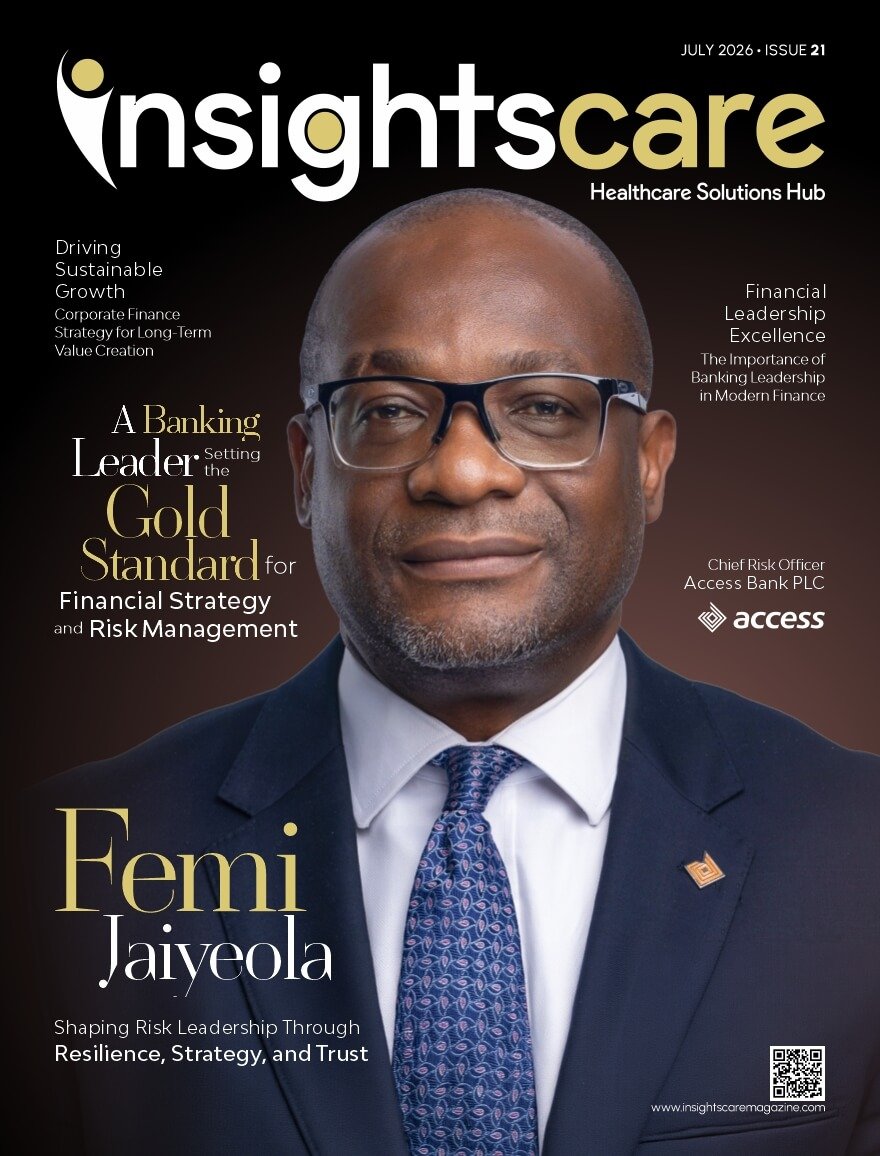
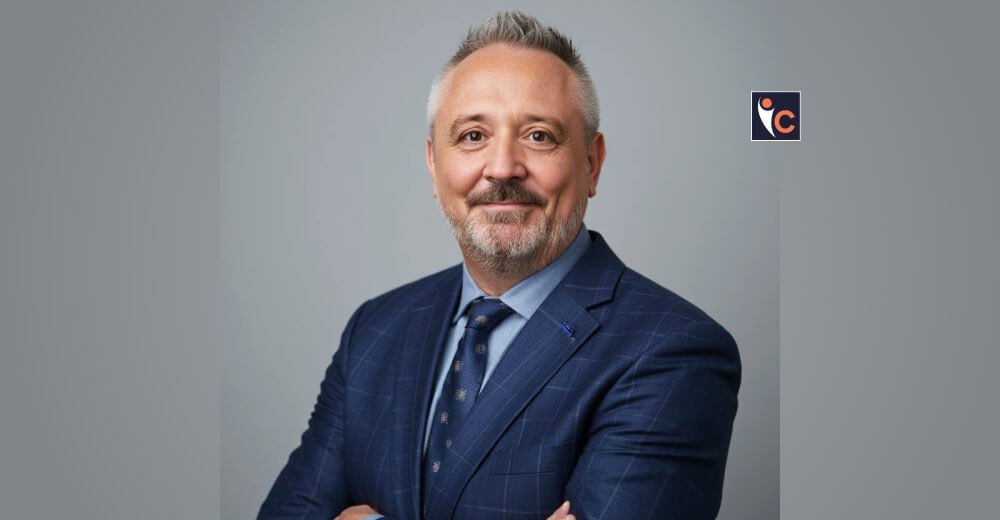
Steve Mason, Co-Chief Operating Officer at Altasciences, has spent nearly three decades in drug development, driven by a lifelong passion for science. Growing up in Salford, England, his curiosity about how things work, from the smallest details in nature to the systems that sustain life, shaped his career path. He earned a Bachelor of Biological Sciences from the University of Salford and a Master’s in Toxicology from RMIT University in Melbourne, Australia.
Steve Mason began his professional journey as a toxicologist at Huntingdon Research Centre, where he first crossed paths with Altasciences’ CEO, Chris Perkin. He quickly transitioned into leadership roles, establishing the Safety Pharmacology Department at Charles River in Montréal and later launching their Shanghai preclinical facility. His international experience continued as Vice President of Preclinical Services at WuXi AppTec, where he led operations in a fast-growing research environment.
In 2014, Steve Mason joined Altasciences as General Manager of the clinical facility in Kansas. A few years later, he assumed the role of Co-COO at the Montréal headquarters, driving the expansion and integration of the company’s preclinical business and helping position Altasciences as a leader in early drug development.
Let’s delve into the interview details below!
What is your vision for Altasciences over the next few years?
Our vision for Altasciences is to continue transforming how early drug development is done, making the journey from discovery to clinic faster, more connected, and more predictable for clients and the patients they serve.
We’ve already built something unique: an organization where scientific excellence, operational integration, and genuine collaboration come together under one roof.
Now, our focus is on deepening that integration by ensuring that every study, every dataset, and every conversation between teams contributes to a seamless continuum of development. I see Altasciences becoming the partner of choice for emerging biotechs and global pharma alike, not only because of what we do, but because of how we do it.
How do you see your role contributing to this vision?
As Co-Chief Operating Officer, my focus is on measurable progress—strengthening the integration of our preclinical, clinical, bioanalytical and manufacturing services so that clients experience Altasciences as one unified partner. It means investing in our people by mentoring scientific leaders, fostering collaboration across sites, and ensuring that every team has the tools and clarity they need to excel, all while maintaining an unwavering commitment to quality and innovation.
My role is to connect the strategy with the science to make sure our operational excellence drives our purpose forward. By aligning teams, systems, and decision-making processes, we continue to not only meet our clients’ needs but anticipate them, setting a new benchmark for what partnership in early development can be.
How do you define “operational excellence” in the life science industry, and how do you ensure it’s achieved at Altasciences?
I define operational excellence in life sciences as the ability to consistently deliver high-quality science while ensuring efficiency, adaptability, and a seamless experience for clients. In early-phase drug development, this means staying ahead of evolving therapies, exploring novel modalities, such as gene therapies or psychedelics, and managing increasingly complex studies with multiple endpoints.
Operational excellence starts with rigorous standards, but it’s sustained through a culture of learning. We invest heavily in training, quality systems, and proactive risk management. Every study is an opportunity to improve, to refine our processes, strengthen compliance, and build even greater confidence with our clients. Achieving excellence requires not just technical expertise, but a culture of continuous improvement, client-centered innovation and collaboration.
Operational excellence is also ensured through integration, transparency, and proactive collaboration. All our scientific operations report directly to myself, my co-COO, Rob Sabelli and our President Marie-Hélène Raigneau. This enables us to coordinate our preclinical, clinical, bioanalytical, and manufacturing teams in unison.
We work with our clients from the very start, building a roadmap and anticipating their challenges to adapt in real time. Our client experience team tracks feedback across every touchpoint, which executive leadership uses to drive improvements. This combination of innovative approaches, holistic oversight, and data-driven responsiveness defines how we achieve operational excellence.
How would you describe your leadership style, and how does it influence the operational efficiency at Altasciences?
I lead by partnering closely with my teams and focusing on practical solutions. I make it a point to listen carefully, which helps me spot opportunities or challenges that might otherwise be overlooked, and ensures that the best ideas can surface. As a result, we have a working environment built on trust that encourages everyone to contribute their expertise. We work closely with each other to tackle challenges as they arise, we streamline decision-making, proactively address roadblocks, and keep projects moving smoothly. The result is high-quality outcomes, achieved without losing sight of the people behind the work.
How do emerging technologies impact the way you approach operational challenges at Altasciences? Can you share any examples?
Altasciences is always up to date with the latest equipment and technologies to enable our team to deliver data to our clients as accurately and timely as possible to help them make the right decisions, faster. And when we can’t find a system that meets our needs, we create one.
We have already developed and implemented two proprietary tools: a centralized scheduling system, COMPASS, and a communication platform, Ask Albert. In 2025 we announced a collaboration with Evidence Matters, contributing real-world training data and conducting user testing to help ensure their RegulatoryFlow AI platform meets the needs of our frontline teams. In doing so, we are redefining what’s possible in clinical trial implementation and documentation—helping sponsors move with greater confidence, from candidate selection to clinical proof of concept, and beyond.
What is the most significant operational challenge you’ve encountered, and how did you manage to overcome it?
One of the most significant challenges I’ve faced, and also the accomplishment I’m most proud of, was leading operations across the four preclinical sites we had acquired over several years. Each site had its own legacy, culture, workflows, and history, but transforming them into one cohesive, integrated preclinical organization wasn’t about imposing uniformity, it was about building alignment without losing what made each site strong.
After spending time with teams at every site to understand how they worked, where they excelled, and what they felt needed fixing, from there we focused on three things.
First, standardizing where it mattered: We aligned on core quality, compliance, data integrity, and client delivery expectations, and implemented shared SOPs and harmonized systems in areas that directly impacted study conduct.
Second, was preserving the site’s strengths: Instead of forcing a single way of working, we remained flexible, allowing teams to stay efficient, confident, and client-focused and used some of the best practices to implement at other sites.
Finally, we created a true ‘one-team’ mindset: We established cross-site leadership forums, unified communication channels, and joint problem-solving routines that shifted the culture from ‘four separate sites’ to ‘one integrated operation.’
The result was a stronger, more agile preclinical organization, that could operate consistently, deliver reliably, and scale smarter because we were moving in unison.
Building a strong team is key in any organization. How do you ensure you attract and retain top talent at Altasciences?
Attracting and retaining top talent starts with creating an environment where people feel valued, challenged, and connected to a meaningful purpose. At Altasciences, that purpose is clear: help clients bring new therapies to patients, faster. When people understand the impact of their work, it inspires a level of commitment and pride that goes far beyond a job description.
We focus on three core areas: a culture of respect and collaboration, growth and development, and empowerment and recognition. We’ve built a culture where teamwork isn’t just encouraged, it’s essential. Whether in the lab, clinic, vivarium, or at a desk, everyone understands how their contribution fits into the larger mission. We support growth by investing in training and leadership programs, and empower people by trusting them to make decisions, innovate, and find better ways to serve clients. With ongoing recognition, our employees feel accountable and appreciated, and inspired to excel.
We also know that great people attract great people. Our best ambassadors are our employees; individuals who share our values of integrity, excellence, respect, customer focus, and employee development. By maintaining a culture that balances high expectations with genuine care, we continue to attract passionate professionals who want to grow with us and contribute to something that truly matters.
In short, we don’t just hire talent; we nurture it, empower it, and build an environment where it thrives.
With constant changes in healthcare, how do you adapt to new regulations and market shifts while keeping operations running smoothly?
Having worked with regulatory bodies around the world for decades, I’ve learned that adapting to change isn’t just about compliance; it’s about strategy. Regulations will always evolve, so our focus is on anticipation, not reaction. By embedding regulatory and scientific experts at every stage, from preclinical strategy, through clinical conduct and eventual commercialization, we identify potential hurdles early, assess evolving guidance in real-time, and adjust plans before timelines or data integrity are affected.
Whether it’s a U.S. IND or NDA, a Canadian CTA or NDS, or a European CTA/MAA, we manage submissions, amendments, and health authority interactions, ensuring our clients’ programs stay aligned with shifting expectations.
We rely on proactive intelligence and operational flexibility, continuously monitoring updates, translating them into actionable strategies, and adjusting workflows across sites, so operations run smoothly even as the landscape changes.
For future healthcare leaders, what skills or qualities do you believe are crucial to succeed in operational roles?
For future healthcare leaders, success in operational roles comes down to three key qualities: adaptability, scientific understanding, and empathy. You have to be able to navigate constant change, connect scientific and operational priorities, and lead with a mindset that balances precision with people.
It’s also essential to be comfortable with extensive planning, frequent pivots, and working within a highly regulated environment; building solid strategies while staying flexible enough to adjust when conditions shift. In this industry, change is expected, and the ability to recalibrate quickly without losing focus is a defining quality of strong leadership.
The best leaders stay curious; they ask questions, learn continuously, and can translate complex science into a clear strategy. But equally important is building trust: empowering teams, fostering collaboration, and creating an environment where everyone feels accountable for excellence.
In healthcare, operations aren’t just about processes; they’re about people working together to bring life-changing therapies to patients. Great leaders never lose sight of that purpose.