
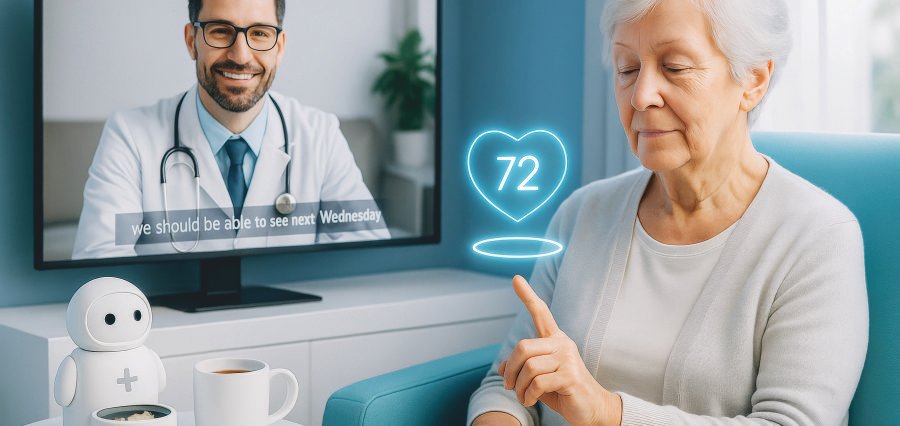
Healthcare is undergoing a major digital transformation, and Remote Patient Monitoring is at the center of this change. Hospitals and healthcare providers are increasingly adopting connected technologies that allow them to monitor patients outside traditional clinical settings. Through wearable devices, smart sensors, and connected health platforms, doctors can now receive real-time health data without requiring frequent hospital visits.
This An Expert Guide explores how remote monitoring works and why it has become a critical tool for improving healthcare outcomes. With growing pressure on healthcare systems, the 7 Benefits of this technology highlight why many healthcare providers are shifting toward more patient-centric and technology-driven care models.
Understanding Remote Patient Monitoring and How It Works
Remote Patient Monitoring refers to the use of digital health devices and communication technologies to collect and transmit patient health data from home or other non-clinical environments to healthcare professionals. These devices measure key health metrics such as blood pressure, glucose levels, heart rate, and oxygen saturation, which are then securely transmitted to medical teams for evaluation.
In practice, patients use connected devices like blood pressure monitors, pulse oximeters, glucose meters, or wearable heart monitors. These tools continuously collect health data and send it to a digital platform where clinicians can review trends and identify potential health issues early.
This An Expert Guide shows that such systems allow healthcare providers to track patient conditions remotely, enabling faster interventions and better disease management. The ability to monitor patients continuously rather than only during clinic visits is one of the most powerful transformations in modern healthcare.
7 Benefits of Remote Patient Monitoring
The 7 Benefits of implementing Remote Patient Monitoring are transforming how healthcare is delivered across the world.
One of the most significant advantages is early detection of health issues. Continuous data monitoring allows clinicians to identify patterns and warning signs before they escalate into serious medical emergencies. Early detection often leads to timely interventions and improved outcomes.
Another important advantage is the reduction in hospital admissions and readmissions. By monitoring patients remotely, healthcare providers can manage chronic conditions like diabetes, hypertension, and heart disease more effectively. Patients receive treatment adjustments before their conditions worsen, which significantly reduces hospital visits.
The technology also improves patient engagement and participation in healthcare. When patients can track their own vital signs and receive feedback from clinicians, they become more involved in managing their health. This often leads to better treatment adherence and lifestyle changes that improve overall health outcomes.
Cost efficiency is another major benefit. Healthcare providers and insurers can reduce operational costs because remote monitoring reduces unnecessary hospital stays, emergency visits, and repeated diagnostic procedures. For patients, fewer clinic visits mean lower travel expenses and reduced disruption to daily life.
Improved access to healthcare is also one of the 7 Benefits highlighted in this An Expert Guide. Patients living in rural or remote areas often struggle to access specialized medical care. Remote monitoring allows healthcare providers to deliver care regardless of geographical barriers, ensuring patients receive timely medical attention.
Better clinical decision-making is another advantage. With continuous access to patient data, doctors can analyze trends over time and adjust treatment plans based on real-world evidence rather than periodic checkups alone.
Finally, healthcare systems benefit from improved resource management. By allowing stable patients to remain at home while being monitored, hospitals can focus their resources on patients who require urgent care or intensive treatment.
The Role of Technology in Advancing Remote Healthcare
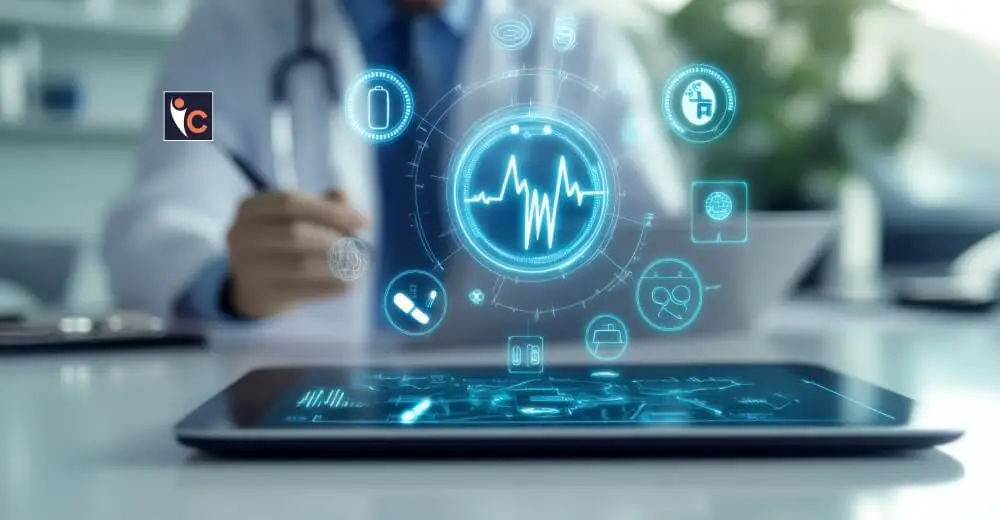
Technology plays a crucial role in the success of Remote Patient Monitoring systems. Modern RPM solutions combine wearable devices, mobile applications, cloud platforms, and data analytics tools. These technologies allow patient data to be collected, transmitted, and analyzed in real time.
Artificial intelligence and predictive analytics are also beginning to enhance these systems. AI-powered platforms can analyze large volumes of patient data and identify early warning signals that may indicate deteriorating health conditions. This predictive capability supports proactive healthcare rather than reactive treatment.
In this An Expert Guide, the growing integration of digital technologies demonstrates how healthcare is shifting toward continuous monitoring and personalized care. Instead of relying solely on hospital visits, medical professionals can now maintain a continuous connection with patients, ensuring timely medical interventions.
The Future of Digital Healthcare Monitoring
The future of healthcare will increasingly rely on remote monitoring technologies. As healthcare systems worldwide face challenges such as aging populations, rising chronic disease rates, and limited medical resources, digital monitoring solutions will become essential.
The 7 Benefits discussed in this guide highlight how Remote Patient Monitoring improves patient outcomes, enhances healthcare accessibility, and optimizes clinical workflows. With continuous innovation in connected devices and telehealth platforms, the role of remote monitoring will only expand in the coming years.
In conclusion, this An Expert Guide demonstrates that Remote Patient Monitoring is more than just a technological advancement. It represents a shift toward proactive, data-driven healthcare where patients and providers remain connected regardless of physical distance. As adoption continues to grow, these systems will play a vital role in building more efficient, patient-focused healthcare ecosystems.