

Driving Medical Innovation
For years, deep brain stimulation worked like a light switch left in one position. Doctors set the level, and the device delivered the same pulses all day. It helped many patients, but symptoms do not stay the same from hour to hour. That gap is why adaptive deep brain stimulation has drawn so much interest from doctors, researchers, and device makers.
This newer approach lets the device respond to what the brain is doing at that moment. It is a big step for neurological care, and it also opens fresh business opportunities for hospitals and medical technology firms. Here is a simple look at how the field got here and where it may go next.
From Fixed Stimulation to Smarter Systems
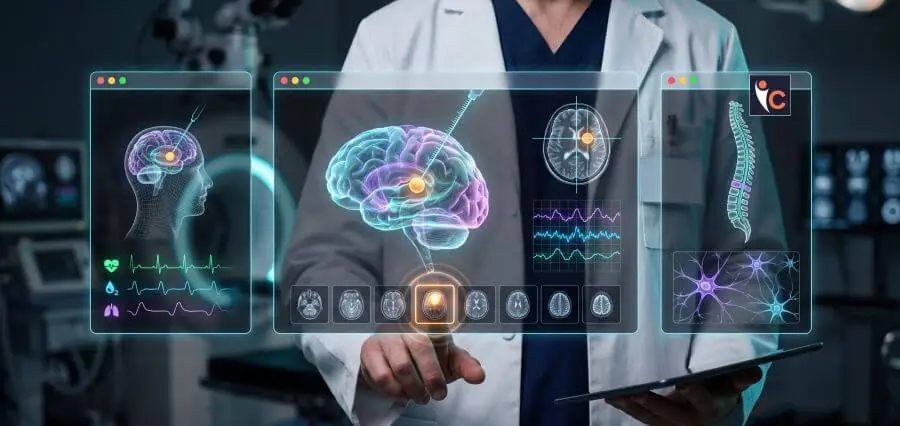
Traditional deep brain stimulation, or DBS, has been used for decades, mostly for Parkinson’s disease and tremor. A small device in the chest sends steady pulses to a target in the brain. Clinicians adjust the settings during clinic visits, and the patient lives with those settings until the next appointment.
The weakness is easy to see. A patient may feel fine after a morning dose of medicine and then struggle in the afternoon. A fixed setting cannot follow those swings. Adaptive deep brain stimulation tries to solve this by changing the pulses on its own as symptoms rise and fall, so the patient gets help when it is needed.
How Adaptive Systems Read the Brain
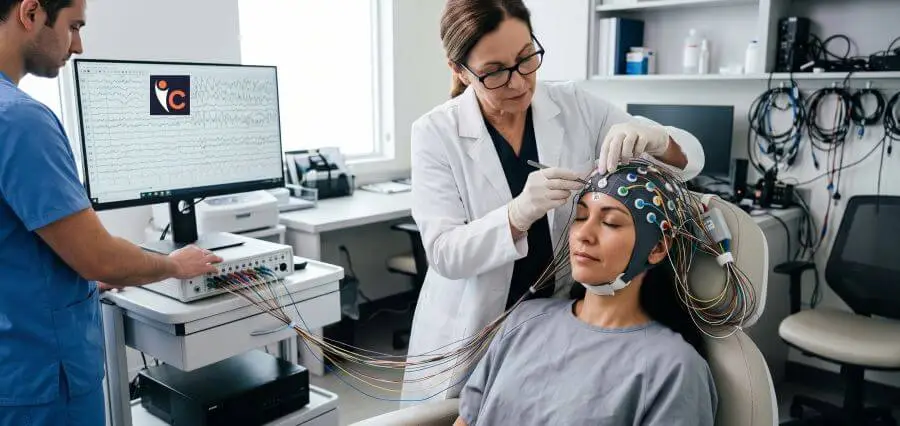
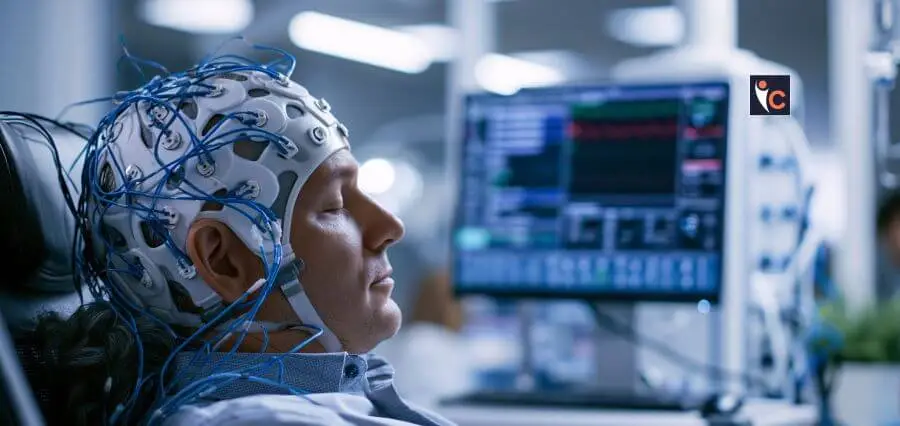
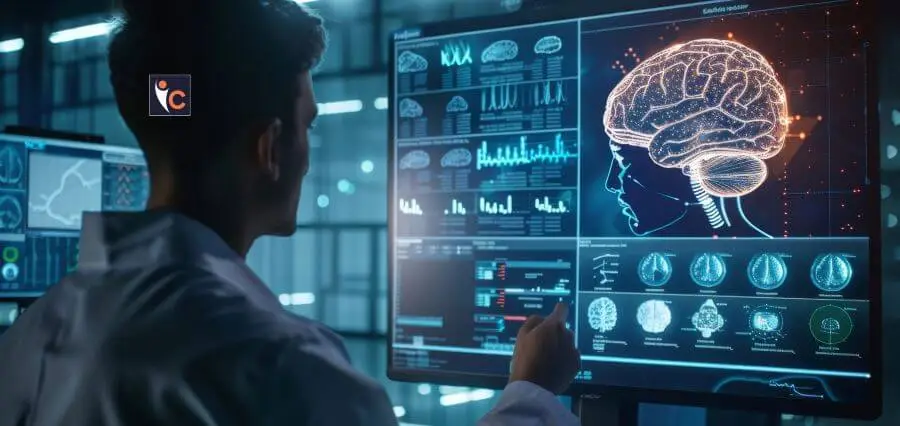
The idea rests on a simple fact. The brain gives off electrical signals, and some of these signals shift with symptoms. In Parkinson’s disease, for example, certain brain wave patterns grow stronger when movement gets stiff or slow. Sensors on the DBS leads can pick up those patterns.
The device then follows a set of rules chosen by the care team. When the signal passes a set level, stimulation goes up. When it drops, stimulation eases down. Think of it like a thermostat in a home. Adaptive deep brain stimulation keeps checking the room and adjusts the heat instead of leaving it at one fixed number all day.
Early Clinical Results
Research teams have tested this method in small studies over the past several years. Results so far have been encouraging. Many patients got symptom relief similar to standard DBS, and some needed less total stimulation. Less stimulation can mean fewer side effects, such as speech trouble, and it can save battery life.
Regulators have started to take notice as well. In 2025, the first adaptive system received approval for use in Parkinson’s disease, which marked a clear turning point. Larger and longer studies are still needed, but adaptive deep brain stimulation has moved from the lab bench toward real clinics, and that shift matters for the whole industry.
Benefits for Patients and Providers
For patients, the biggest promise is a smoother day. Fewer swings between good and bad hours can make planning easier, whether that means going to work, joining family events, or simply taking a walk. Some patients may also need fewer clinic visits to adjust settings, since the device does part of that job itself.
For providers, the gains are practical. Data from the device gives doctors a better picture of how a patient is doing over weeks and months, not only on the day of a visit. Hospitals that offer adaptive deep brain stimulation may also stand out in a crowded field, and they can attract referrals from other centers.
Challenges Ahead
Even so, the technology is young. Brain signals can be noisy, and reading them correctly is not simple. Each patient needs careful setup, and clinicians must learn new tools and new ways of thinking about programming. That takes time, training, and budget.
Cost is another concern. Advanced devices and extra staff time can raise prices, which may limit access in some regions. Long term data on safety and results is still being collected. Researchers are also working to find out whether the same approach can help with other conditions, such as dystonia, epilepsy, and mood disorders. Adaptive deep brain stimulation will need clear proof in each area before it spreads widely.
Conclusion
The path from fixed pulses to responsive therapy shows how quickly neurological care is changing. By listening to the brain and adjusting in real time, adaptive deep brain stimulation offers a more personal form of treatment that can better match daily life.
For hospital leaders, device makers, and investors, the message is simple. Watch the evidence, train clinical teams early, and plan for the data these systems produce. Those who prepare now will be ready as adaptive deep brain stimulation grows from a promising tool into a regular part of patient care.