



Exploring New Therapies
Parkinson’s disease is best known for tremor, but its effects reach much further. Slow movement, stiffness, balance problems, sleep changes and shifts in mood can all appear, and the mix differs from one person to the next. For many years, care centred on easing symptoms with a small set of medicines.
Today, Parkinson’s Disease Treatment looks much broader. Doctors, therapists and researchers now work together to support movement, daily life and long-term wellbeing. This article looks at four areas where care is changing, and what these changes mean for patients, families and healthcare providers.
Medicines Remain The Foundation
Levodopa is still the most widely used medicine, and it helps the brain make up for the loss of dopamine. Other medicines, such as dopamine agonists and MAO-B inhibitors, work in different ways and may be used alone or together. Doctors choose among them by looking at age, symptoms, other health conditions and personal goals.
Needs change over time, so medicines must be reviewed often. Some people notice that benefits wear off between doses, or that extra movements appear. Extended-release tablets, skin patches and infusion systems can give smoother control. Parkinson’s Disease Treatment now puts more focus on fitting the dose and timing to each person’s daily routine.
Device And Surgical Options
Deep brain stimulation uses thin electrodes placed in specific brain areas, linked to a small device under the skin. It sends gentle electrical signals that can reduce tremor, stiffness and movement swings in carefully chosen patients. Newer systems allow finer adjustment, which helps doctors tailor settings as symptoms change.
Other procedures, such as focused ultrasound for certain tremors, have added to the list of choices. These options are not right for everyone. Parkinson’s Disease Treatment of this kind depends on careful assessment by a specialist team, with an honest talk about benefits, risks and realistic expectations before any decision is made.
Therapy And Daily Support
Medicines and devices are only part of good care. Regular exercise, including walking, strength work and balance training, is widely encouraged because it can help movement and confidence. Physiotherapy, occupational therapy and speech therapy address problems with walking, daily tasks and voice, which can make a real difference to independence.
Emotional health and sleep need attention too. Anxiety, low mood and tiredness are common and can be treated. Families and caregivers also carry a heavy load, so education and practical support matter. A care team that listens to the whole person, not only the movement symptoms, tends to deliver better results.
Early Diagnosis And Monitoring
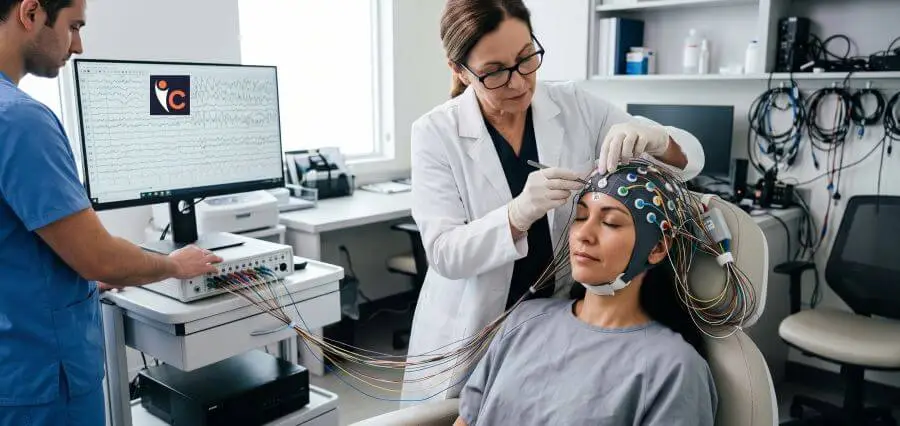
Early diagnosis helps people start support sooner. However, physicians depend on detailed histories and physical examinations, as there is no diagnostic test that proves the existence of this disease in every case. Consulting a neurologist, an expert on movement disorders, would give a clear perspective on how to proceed.
Recurrent follow-up is important after diagnosis. The state of patients’ health changes over time, and therefore, regular visits are important for doctors to make necessary adjustments before small problems become bigger ones. Maintaining a basic diary of symptoms, sleep patterns and medication will provide valuable information for doctors.
Research Shaping What Comes Next
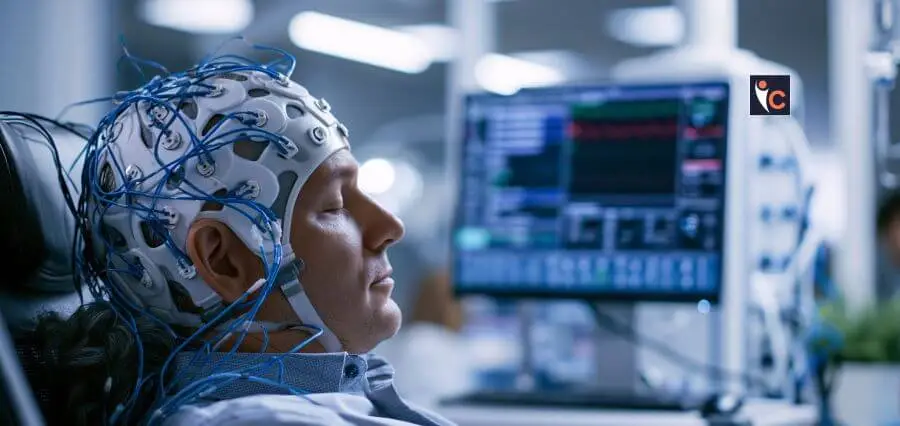
More information is becoming available regarding the genetics, proteins, and brain activity associated with this disease. This will make early detection possible and allow for more personalized treatment. Wearable sensors and smartphone tools are also being tested to record symptoms at home, giving doctors a clearer view than a short clinic visit can offer.
Many studies are exploring therapies that may slow progression, but none has yet been proven to do so. Parkinson’s Disease Treatment will keep changing as results come in. Patients interested in clinical trials should speak with their doctors, who can explain what is involved and whether a study is suitable.
Conclusion: Moving Care Forward
Care for Parkinson’s disease is no longer built on a single approach. Medicines, procedures, therapy, emotional support and research each play a part, and the best results come when they work together around the needs of the individual patient.
Progress in Parkinson’s Disease Treatment gives patients and families more reason for hope than before. Open communication with healthcare teams, regular reviews and steady support remain the keys to living well. As science advances, the goal stays the same: better movement, better days and a better quality of life.