



Supporting Better Recovery
For someone with a movement disorder, small tasks can become big ones. Buttoning a shirt, lifting a cup, or crossing a room may take real effort. When pills stop doing enough, doctors often bring up deep brain stimulation, known as DBS. A reliable DBS therapy solution can give patients back some control and help them return to the routines they miss.
More hospitals and device makers are looking at this field, and the reason is easy to see. As populations age, more people live with neurological conditions. Here is a plain look at how DBS works, who it helps, and what providers should check before they pick a system to trust.
How Deep Brain Stimulation Works
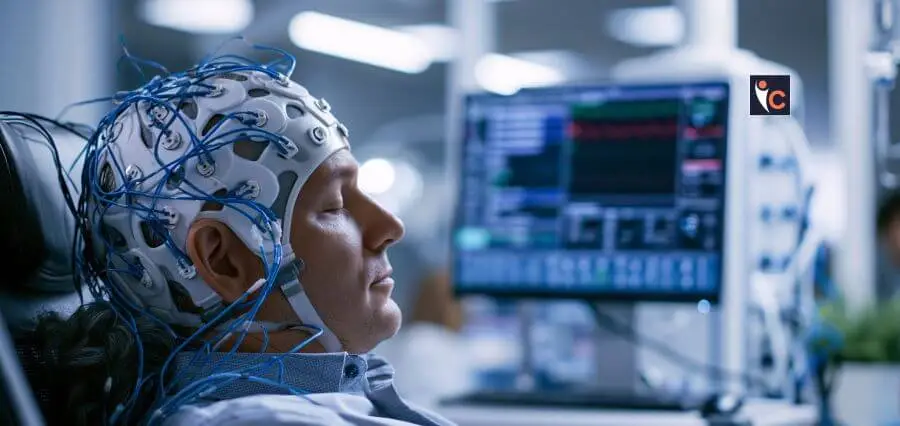
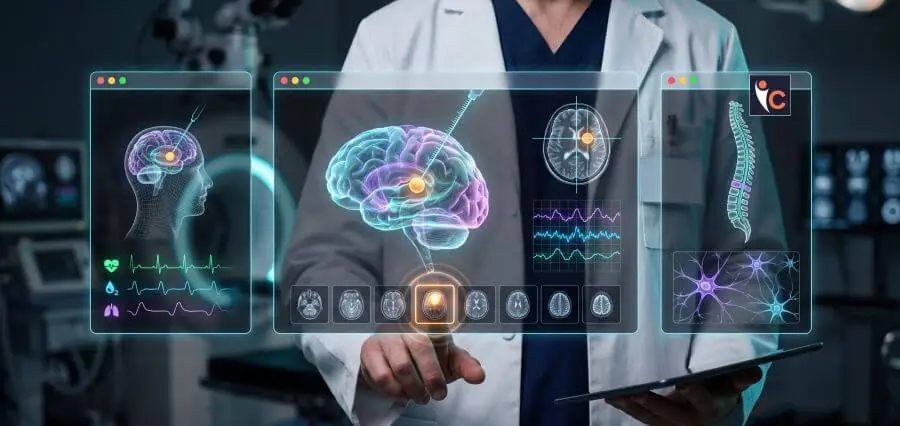
A DBS system has a small device, similar to a pacemaker, placed under the skin of the chest. Thin wires connect it to an exact target deep in the brain. The device sends mild electrical pulses through those wires, and the pulses quiet the faulty brain signals behind tremor and stiffness.
Nothing about the settings is permanent. After surgery, a clinician changes the strength and pattern of the pulses to suit the patient. That is why a reliable DBS therapy solution matters so much. If the signal wavers, the relief can wear off, and the patient pays for it.
Conditions DBS Can Help
Parkinson’s disease is the best known use. DBS can ease tremor, slow movement, and muscle stiffness. It is also used for essential tremor and for dystonia, which causes painful muscle spasms. For some patients, doctors also consider it for epilepsy or severe obsessive compulsive disorder after other options have failed.
It is not a cure, and it does not suit everyone. A care team looks at symptoms, how the person responds to medicine, age, and general health first. For the right patient, a reliable DBS therapy solution may mean fewer medicine doses, smoother movement, and more good hours in a day.
What Makes a DBS System Reliable
It starts with the hardware. The leads must stay in place and carry signals without breaks. The case has to last for years inside the body. Battery life is a big deal too, since a new battery can mean another procedure. Some systems recharge, some use longer lasting standard cells, and each has its own trade-offs.
Software matters just as much. Clinics are busy, so the programming tools should be easy to use and have safe limits built in. A good safety record, solid training for surgical teams, and fast technical support also count. Buyers who want a reliable DBS therapy solution should ask for long term data and not just a glossy brochure.
The Patient Journey and Follow Up
First comes screening. Neurologists, surgeons, and therapists look at each case as a group. If the patient qualifies, surgery is planned. Many people go home within a few days, though it depends on the hospital and the case.
The slower work comes after that. The device is usually switched on a few weeks later, and it takes several visits to find the best settings. Medicines may come down over time. Physical and speech therapy help patients rebuild strength. Regular checkups keep things on track, and a reliable DBS therapy solution makes those visits smoother, since fewer technical issues pop up.
Support for Better Recovery
A device alone does not guarantee a good result. Patients and families need clear answers before surgery, including the risks, like infection or bleeding. Honest talks about what to expect help prevent disappointment later.
Support after surgery counts too. Care coordinators and patient groups help people stay on course. Some clinics now use remote monitoring to check device data without a visit, which helps people who live far away. When the device, the care team, and the family pull in the same direction, recovery goes better, and a reliable DBS therapy solution gives that team something steady to work with.
Conclusion
DBS is one of the clearer success stories in neurological care. It helps many people regain movement and independence when other treatments fall short. The best results come from careful patient selection, skilled teams, and steady follow up.
For hospital leaders, the takeaway is practical. Pick systems with strong safety records, simple tools, and dependable support. A reliable DBS therapy solution protects patients, earns the trust of doctors, and helps organizations deliver care that people can count on.