



Biotech Advances
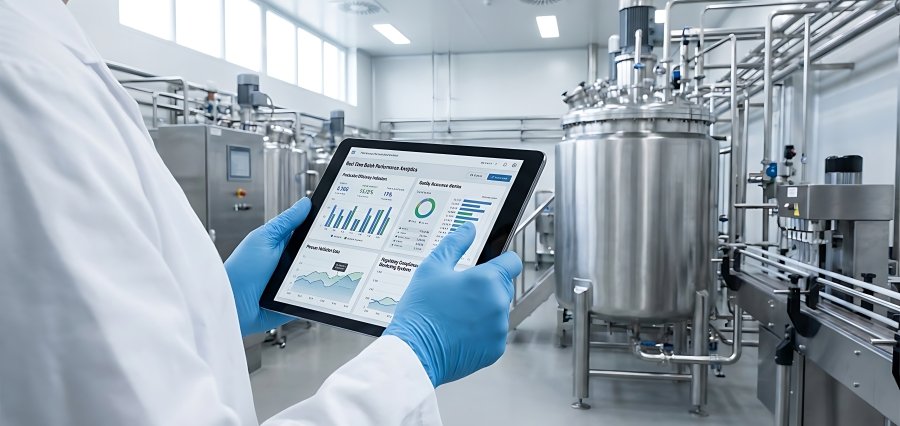
Medicine is entering a new era shaped by biotechnology, digital innovation, and advanced engineering. These developments are changing how researchers find, design, and test new treatments. What used to be so expensive and time-consuming is now accomplished in a much shorter period of time and more accurately. Drug discovery and testing have been made easier, more personalized, and encouraging, providing hope for diseases that were thought to have no cure.
This article explains how biotechnology and digital innovation are changing modern medicine, including how microfluidics and 3D bioprinting are revolutionizing drug discovery and testing.
Smarter Systems in Modern Drug Design
New digital systems now drive much of today’s pharmaceutical research. Computer models can simulate intricate biological processes that would have required years of lab time years ago. They are useful in forecasting the behavior of various compounds with the target proteins, which would save time and cost in the early stages of the development process.
Tools such as DeepVariant and AlphaFold have helped scientists better understand how proteins fold, a key part of creating treatments for diseases such as Alzheimer’s, cancer and genetic disorders. Other computer models, like Genie, are even able to design novel proteins with certain medical applications.
Virtual “in silico” trials can now predict how the human body might react to new drugs before testing begins. These computer-based trials reduce the need for early-stage animal or human testing, lower risks, and make the path to clinical trials much faster.
Microfluidics: Small Tools, Big Impact
Microfluidic technology is transforming the way scientists conduct trials on possible medicines. These systems involve the use of small chip-based systems that transport small volumes of liquid, forming precisely regulated environments in which cells can be studied.
In contrast to the previous testing technologies that intermix the output of a large number of cells, microfluidics allows scientists to study individual cells to determine how each cell responds to a drug. This is one of the reasons why certain patients respond well to treatment, unlike others.
When used with bioactivity-guided screening, which tracks how cells respond in real time, microfluidics helps identify effective compounds more quickly. Combined with organoid and tissue models, this method makes drug discovery and testing more accurate and closer to real human biology.
3D Bioprinting and Organoids: Recreating Human Tissues
Conventional 2D cell cultures and animal models cannot demonstrate the actual human organ response to drugs. 3D bioprinting is a solution, as it produces living tissues and small organ-like structures, known as organoids which respond analogously to real organs.
These bioprinted models are now key tools for testing new drugs safely. As an example, liver and heart organoids can be used to predict potential side effects before the human trial. By gathering the cells of a patient, the testing can also be tailored to his or her genetic makeup, which is a major accomplishment towards personalized medicine.
In the future, doctors may test treatments on lab-grown tissue made from a patient’s cells before prescribing them, ensuring the safest and most effective results.
New Frontiers: RNA, Protein Design, and Regeneration
A new generation of biotechnologies is transforming how medicines are developed. RNA interference (RNAi) can silence harmful genes, while circular RNAs serve as early warning signs for diseases and guide treatment choices.
Protein engineering also has the potential to help scientists design the tailor-made enzymes and antibodies that would fight the diseases that were once regarded as untreatable. Regenerative medicine uses stem cells and tissue repair to heal damaged organs and treat long-term illnesses.
Balancing Progress with Responsibility
As biotechnology grows, it also raises new ethical and safety questions. Gene editing is associated with the issues of privacy, consent, and the long-term outcomes. The regulators have to guarantee that the new compounds that have been developed using digital systems are safe and effective.
As the use of patient-derived tissues in research increases, there have to be explicit regulations to ensure that data is secure and that there is equitable accessibility. Responsible development of the biotechnology sphere should be put at the forefront, with consideration of the safety and trust of the population.
Conclusion
The future of any medicine is shifting its direction towards speed, accuracy, and individualization. The researchers can now deal with diseases that used to be considered incurable, and the tools available, such as CRISPR, mRNA, and digital modeling, allow them to design and test treatments in a more efficient way.
When such technologies are on the increase, one should balance between innovation, safety, and ethics. With careful regulation and responsible use, biotechnology can make healthcare more effective and accessible for people around the world.