Healthcare sits where science, innovation, and humanity meet. Every advancement, in the end, exists to do one thing: improve and save lives. Medical technology keeps moving fast, but the real impact of healthcare still comes down to the people delivering it: professionals who pair technical skill with compassion, good judgment, and real commitment to their patients. The best physicians know that exceptional care isn’t just about diagnosis and treatment. It’s built on trust, on communication, on staying curious and committed to learning, and on actually showing up for patients at every stage of their care.
Surgeons, in particular, carry a heavy weight. Their work demands precision and resilience and the ability to make hard calls under pressure while keeping the outcome front of mind. As healthcare becomes more collaborative and more centered on the patient, the surgeons who stand out aren’t just technically skilled. They’re mentors and lifelong learners, people who keep sharpening their craft, stay open to new approaches, and earn the confidence of patients and colleagues alike.
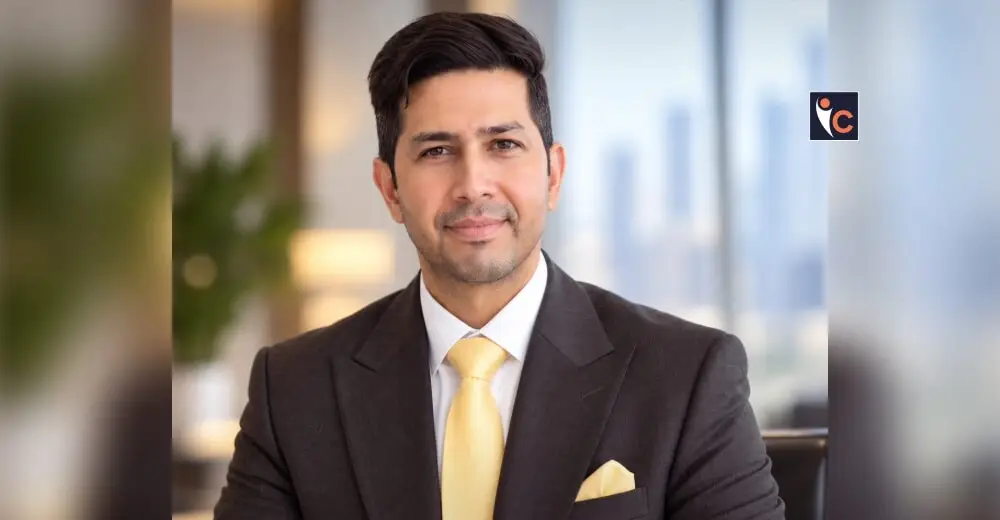
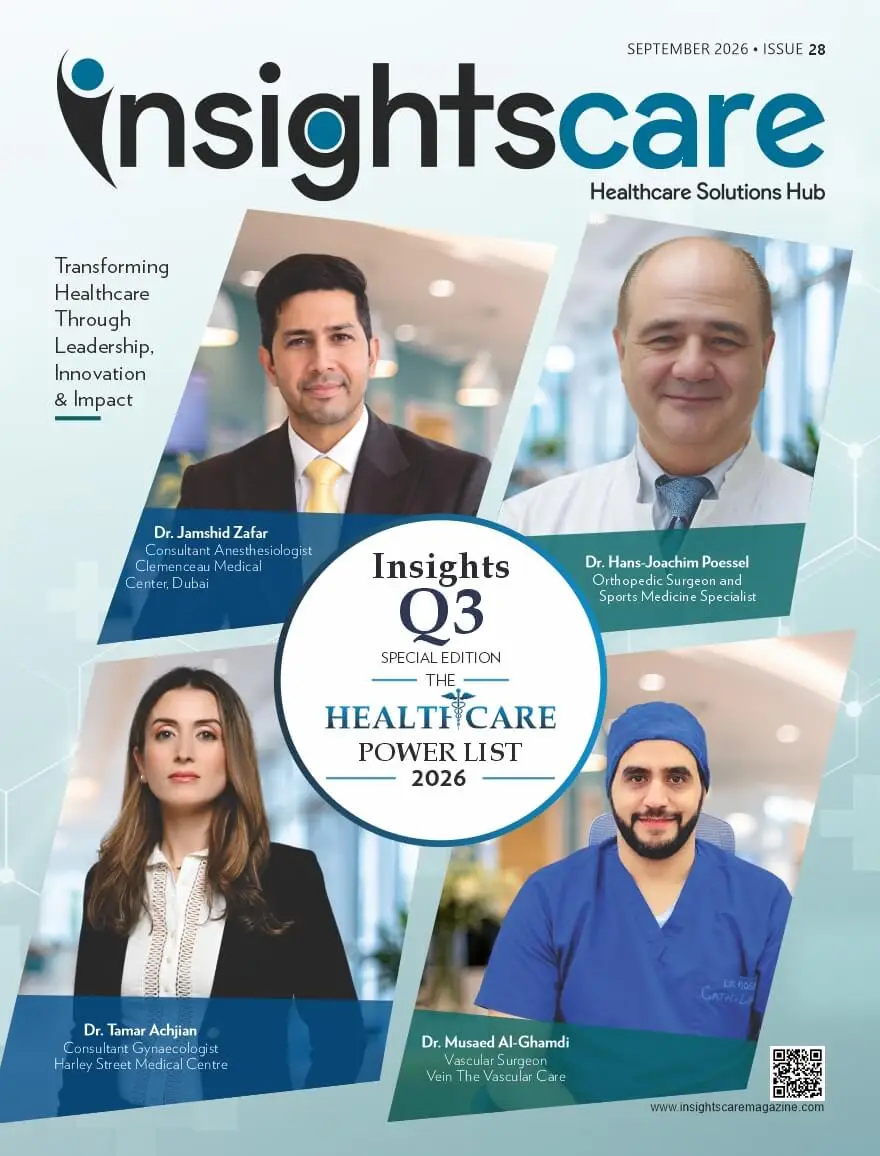
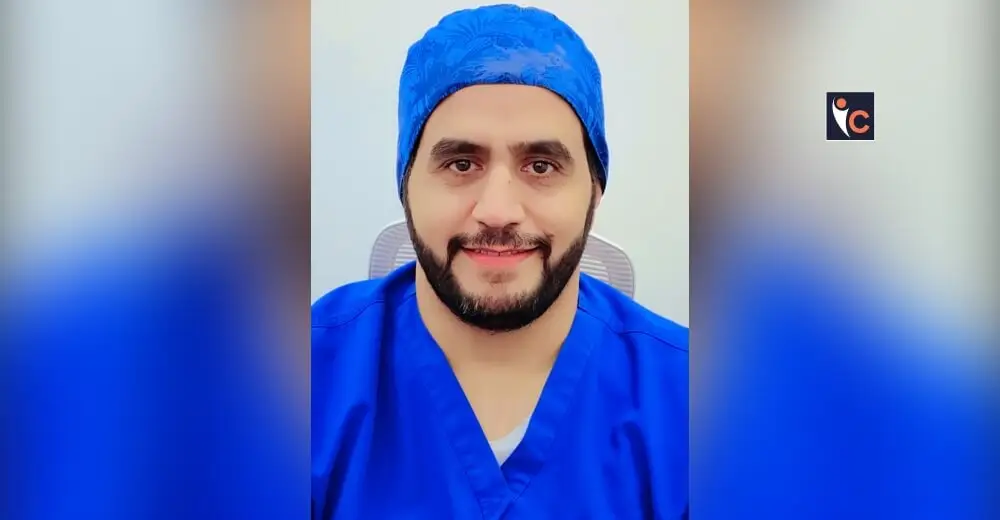
Dr. Musaed Al-Ghamdi, Vascular Surgeon at VEIN THE VASCULAR CARE, is one of them. Known for putting patients first and holding himself to a high clinical standard, he believes good treatment comes down to trust, education, and a real, ongoing partnership with every patient he treats. He brings together advanced surgical skill, collaborative leadership and a genuine drive to keep learning, all in service of high-quality vascular care that keeps pace with new innovation.
Let’s delve into the interview details below!
What early influences or experiences led you toward choosing vascular surgery as your lifelong profession?
My path toward vascular surgery was deeply personal, driven by watching my mother navigate end-stage renal failure. Witnessing her daily struggles, especially the critical and complex nature of vascular access required for her care, ignited a profound desire in me to understand and master this field. I chose vascular surgery because I saw firsthand how vital it is to a patient’s survival and quality of life, and I wanted to dedicate my career to providing that essential, life-sustaining support to other families.
How do you personally define your role as a vascular surgeon beyond clinical responsibilities, particularly in terms of patient trust and long-term care?
Beyond the operating room, I define my role as a partner in my patients’ long-term health. A strong, trusting relationship between a surgeon and a patient bridges the gap between medical complexity and personal understanding. When patients feel truly heard and supported, they better comprehend their disease, feel empowered to take care of themselves, and actively participate in their own long-term recovery and well-being.
What aspects of your leadership style have evolved the most over time, and how do they reflect your personality and professional values?
Over time, my leadership style has evolved from being purely directive to becoming deeply collaborative. Today, I view every member of my team not just as staff, but as an essential partner in a shared mission. This approach reflects my core values of mutual respect and inclusivity; by fostering an environment where everyone feels valued and connected, we are able to work seamlessly together to provide the highest standard of patient care.
What kind of challenges have tested your resilience the most in your career, and how have they contributed to your growth as an individual?
The demanding nature of surgery naturally brings frequent and complex challenges, but I view each one as an opportunity for continuous learning. Overcoming these difficult moments has sharpened my clinical experience and deepened my resilience. Ultimately, these trials have refined my judgment, allowing me to make more precise, confident, and accurate treatment decisions for my patients when it matters most.
How do you ensure that you remain consistently progressive in your field while maintaining precision and responsibility in patient outcomes?
Remaining progressive means actively engaging with the latest clinical research, evaluating cutting-edge surgical devices, and embracing new technologies. However, innovation must always be balanced with responsibility. I ensure safety by thoroughly vetting these advancements and attending major international conferences, where I can collaborate with global peers to verify that any new method I adopt genuinely elevates precision and improves patient outcomes.
Among your professional milestones, which achievements resonate most deeply with you on a personal level, and why?
The achievements that resonate most deeply with me aren’t awards or titles, but the moments of human connection. Seeing a smile on a patient’s face and hearing a sincere ‘thank you’ from them and their relatives is the ultimate reward. Knowing that my team and I did our absolute best to improve their life brings a level of fulfillment that no other professional milestone can match.
With the demanding nature of your profession, how do you consciously create space for personal well-being and family life?
While finding time for family was incredibly difficult during my training years, transitioning to senior staff has made work-life balance a matter of strict time management. I intentionally arrange my schedule to ensure my family gets dedicated time, whether that means carving out moments during the day, being fully present at night, or fiercely protecting my weekends to be with them.
What guiding advice would you share with aspiring surgeons, and what personal ambitions or goals continue to drive you forward today?
To medical students, I advise learning a little bit of everything—build a broad foundation. Once you choose a specialty, make it a priority to attend major surgeries and, crucially, complication surgeries. You may rarely see those rare, high-stakes scenarios, but watching how they are managed is exactly how you build true experience. Learning how to handle a crisis now ensures that when you are the staff surgeon one day, you will know exactly how to save a patient’s life.