

Building Smarter Healthcare
Healthcare has always evolved, but the pace and depth of change happening right now is different from what previous generations of medical professionals and patients experienced. The tools, the data, the delivery models, and the fundamental understanding of how disease develops and how it can be prevented are all shifting simultaneously in ways that are beginning to produce a healthcare system that looks and functions differently from the one most people grew up with. The future of healthcare is not a distant concept; it is being built right now through decisions being made in research laboratories, clinical settings, technology companies, and policy rooms across the country.
Bringing Artificial Intelligence Into Everyday Healthcare
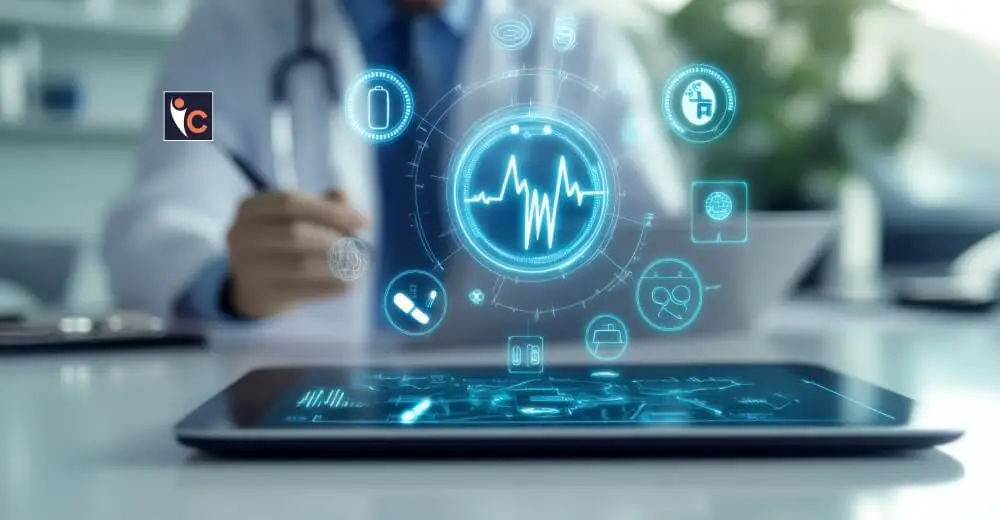
The conversation about artificial intelligence in medicine has been happening for years, but what distinguishes the current moment is the degree to which AI has moved from theoretical promise to practical clinical application. The future of healthcare in the near term is one in which AI tools are embedded in diagnostic workflows, administrative processes, and treatment planning in ways that change what clinicians can see, know, and act on.
AI systems analyzing imaging studies are catching findings at stages where human attention, stretched across high-volume workloads, might not catch them reliably. Predictive analytics are identifying patients at elevated risk of adverse outcomes before those outcomes occur, creating opportunities for intervention that reactive care models miss entirely. Administrative AI is handling documentation and scheduling in ways that return clinical time to clinicians who entered medicine to care for patients rather than to manage paperwork.
Moving From Episodic Visits to Continuous Monitoring
One of the most significant structural shifts in the future of healthcare is the movement from episodic care, the appointment-based model in which clinical attention is available primarily during scheduled visits, toward continuous monitoring that maintains clinical awareness of patients’ health status between those visits and, in some cases, replaces the need for many of them.
Wearable devices that track heart rhythm, blood pressure, blood glucose, oxygen levels, and a growing range of other physiological parameters are generating real-time health data that clinical teams can monitor remotely. For patients managing chronic conditions, this continuous oversight changes the entire management experience: problems are caught earlier, adjustments are made more promptly, and the patient’s sense of being supported between appointments changes how they engage with their own health.
Making Prevention a Central Part of Healthcare
The future of healthcare is one in which prevention, identifying and addressing risk before disease develops, receives the same level of clinical attention and resource investment that treatment of established disease currently commands. The economic and human case for this shift is compelling; preventing serious disease is almost always less costly and less burdensome than treating it after it has developed.
Advances in risk prediction, in early detection technology, and in the understanding of how lifestyle, environment, and genetics interact to produce disease are all supporting a more prevention-focused model of care. Healthcare systems that invest in building the infrastructure for population-level prevention, screening programs, risk stratification tools, and the behavioral and lifestyle support that helps people reduce their risk are investing in a version of the future of healthcare that is both more humane and more sustainable than the current treatment-dominated model.
Designing Healthcare Around Equity
A smarter healthcare system is one that works better for everyone, not just for those who are already well-served by existing models. The future of healthcare has to address the persistent disparities in access, quality, and outcomes that characterize the current system if it is to represent genuine progress rather than improvement concentrated among those who were already advantaged.
Technology, properly deployed, can contribute to closing equity gaps, extending specialist access to underserved communities through telemedicine, reducing diagnostic disparities through AI tools that perform consistently across diverse patient populations, and supporting community health workers who provide culturally appropriate care in communities where trust in formal healthcare systems has been eroded. But technology deployed without attention to equity can also widen gaps, and the future of healthcare requires deliberate and ongoing attention to who benefits from each advance and who does not.
Building Healthcare Around Human Needs
The future of healthcare is being built by the decisions being made today, about which technologies to develop and implement, which care models to invest in, and which values to hold at the center of how healthcare is organized and delivered. The trends shaping that future point toward a system that is more precise, more continuous, more personalized, more preventive, more equitable, and more genuinely attentive to the full dimensions of human health than the system that preceded it.
Getting there requires sustained commitment from clinicians, researchers, technologists, policymakers, and the patients themselves, all working toward a version of healthcare that serves human wellbeing rather than institutional convenience.