



Redefining Patient Experiences
Few moments in life are as frightening as being told you have cancer. Most people leave that first appointment with more questions than answers, and many can barely remember what the doctor said. For a long time, cancer treatment was focused almost entirely on the illness. That is beginning to change. Oncology patient-centered care asks doctors and nurses to pay close attention to the person receiving treatment, including how they feel and what they need to get through it.
How Cancer Care Used to Work
In earlier years, treatment often followed a set routine. The doctor decided on a plan, gave a short explanation, and the patient was expected to go along with it. Many people completed months of therapy without truly understanding their condition.
Doctors were not trying to be unkind. They had heavy workloads and wanted to fight the disease as quickly as they could. Still, it became clear over time that patients who felt confused or unheard often had a harder time coping with their treatment.
Starting With the Patient’s Wishes
A key part of oncology patient-centered care is simply asking patients what is important to them. Some want to know every detail about their illness. Others would rather hear only what they need for the next step. One person may want to keep working, while another wants to spend as much time as possible at home with family.
When the care team listens to these wishes, the treatment plan can be built around the patient’s daily life. The medical facts stay the same, but the way they are explained and acted on becomes more personal.
Choosing Treatment Together
Cancer often comes with hard decisions. Sometimes there is more than one sensible treatment, and each has its own risks and benefits. Doctors who follow a patient-centered approach take time to explain these options in plain language. They also give patients room to think, and the final choice reflects what the patient values most.
A Care Team That Communicates
Most cancer patients see several different specialists during treatment. When those specialists do not talk to each other, patients may have to repeat their history many times or receive advice that does not match. Oncology patient-centered care relies on teams that share information and plan as a group. Many hospitals now give each patient a nurse or coordinator who helps them through every stage, which removes much of the confusion.
Support for Emotional Strain
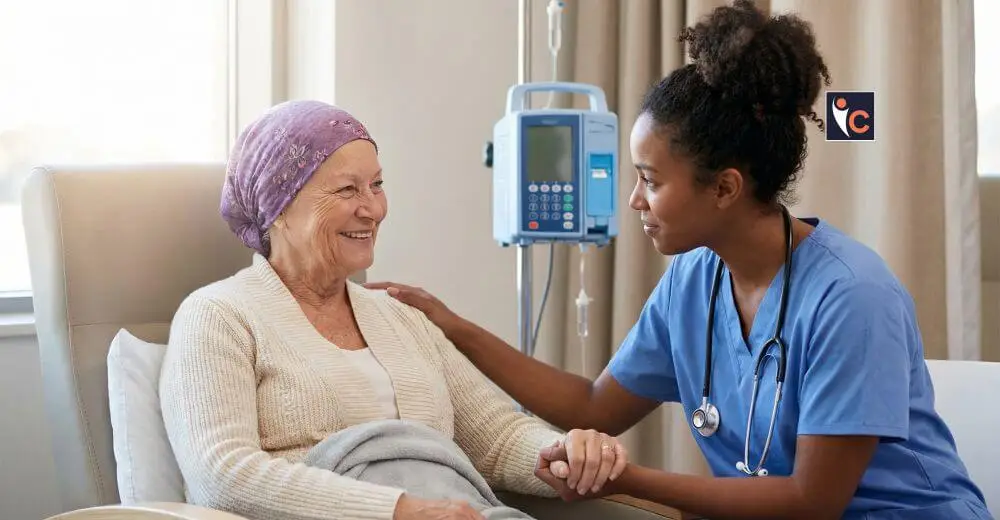
Living with cancer can take a heavy toll on a person’s mind. Worry and low mood are common, and they can make it harder to handle treatment. Talking with a counselor or joining a support group gives patients a safe place to share what they are going through. In hospitals with strong oncology patient-centered care, emotional support is offered as a regular part of treatment, so patients do not have to search for it on their own.
Making Room for Families
A cancer diagnosis affects everyone close to the patient. Family members often handle appointments and daily care while coping with their own fears. Care teams that include relatives in important conversations, and offer them guidance as well, make the whole household feel less alone.
Keeping Patients Comfortable
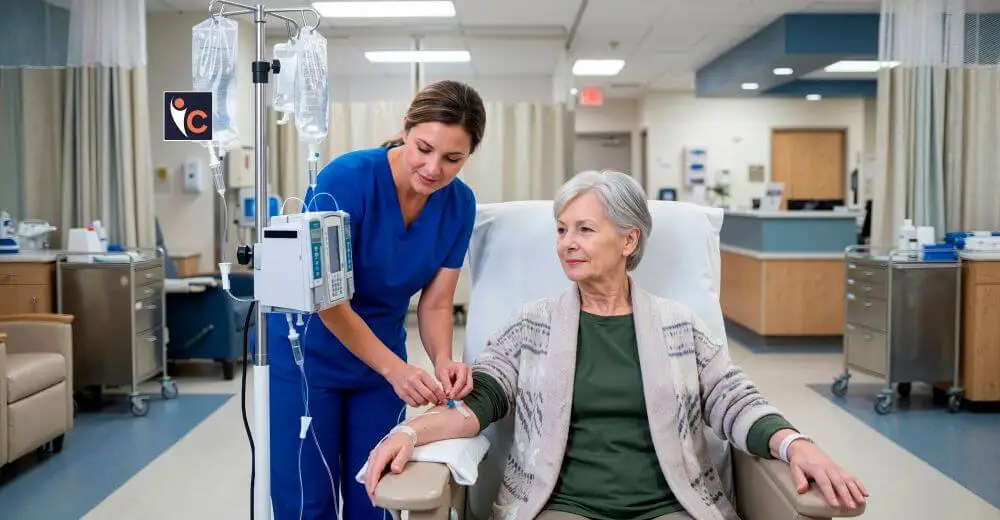
Treatments like chemotherapy can leave patients exhausted and unwell. Managing these side effects carefully can improve daily life a great deal. With oncology patient-centered care, comfort is a concern from the very beginning of treatment. Even small changes, such as a quieter room or more flexible appointment times, can help a patient feel more at ease.
Easing Everyday Worries
Health is not the only thing on a patient’s mind. Many also worry about medical bills and lost income, and some must travel long distances for each visit. Certain hospitals now have staff who help patients understand their costs and find financial support. This practical help is an important part of oncology patient-centered care, because money problems can make it harder for people to stay on their treatment plan.
Help Between Appointments
Questions often come up after a patient has left the clinic. Phone support and online messages let them contact their care team without waiting for the next visit. Regular check-in calls can also catch problems early. Knowing someone is available to answer a question can bring patients a great deal of comfort.
What Still Needs Work
Many hospitals do not yet have the staff or money to provide this level of care. Doctors and nurses are often overstretched, and some patients live far from well-equipped centers. Bringing oncology patient-centered care to everyone who needs it will take steady investment and a real commitment from health systems.
Looking Ahead
Cancer treatment keeps improving as research brings new medicines and methods. At the same time, hospitals are learning to treat patients as whole people rather than as cases. Oncology patient-centered care reminds care teams that every diagnosis belongs to someone with a family and a life they want to protect. When patients feel heard and supported, the long road of treatment becomes easier to face.