


Today, no longer does a single professional make decisions in healthcare; the condition of patients is often complex and requires more than a single point of view. That is where the need for multidisciplinary teams arises. Multidisciplinary teams assemble doctors, nurses, therapists, specialists, and support staff to work closely in care. At the core of that approach is Healthcare Collaboration, which helps assure that thoughtful, coordinated treatment is extended to every patient.
Care works more effectively when healthcare professionals can share knowledge and communicate openly. Through Healthcare Collaboration, team members discuss treatment options, track progress, and adjust plans when the condition of a patient changes. Shared responsibility reduces gaps in care and leads to a smoother experience for patients and their families.
Why Team-Based Care Matters More Than Ever:
Although medical treatment and science are advancing rapidly, patient expectations have also risen. People expect medical treatment that is personal, touching, and well-managed. This is achievable only through the support of a multidisciplinary team, who use the synergy of professionals from varied backgrounds. “Healthcare Collaboration” makes it more accessible to deal with your medical issues, as well as your emotional, physical, and wellness needs.
For example, a patient recuperating from a severe illness may need to be treated medically, rehabilitated physically, assisted nutritionally, and cared for emotionally all at once. By working together, the professionals can provide a comprehensive package of care, not a series of disconnected services.
The Key to Better OutcomesLeads to Better Communication:
Perhaps one of the greatest advantages of the work of a multidisciplinary team lies within the actual improvement of communication. Instead of passing written notes as a means of communicating, professionals will actually talk and discuss the status of the patient. Healthcare Collaboration encourages open conversation and allows for quicker decision-making.
Supporting Patients Through Complex Health Journeys:
Many health conditions require long-term management instead of short-term treatment. Chronic illnesses, rehabilitation programs, and specialized therapies-all these rely on Healthcare Collaboration for better results. When several specialists collaborate, they can create care plans that evolve as the needs of their patients change over time.
Multidisciplinary teams also help families to feel more supported. Rather than trying to make their way through the health-care system themselves, there is a coordinated group guiding them through each step in treatment.
The Increasing Role of Technology in Collaboration:
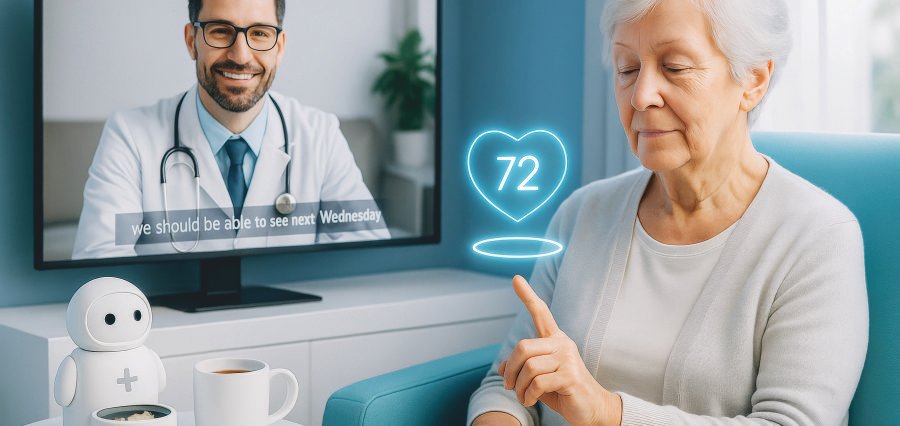
Healthcare collaboration has been made even stronger by modern technologies. Where shared digital records enable professionals to access the information about their patients instantly, virtual meetings also make it easier to consult specialists regardless of the location. These tools help teams be interconnected, keep them informed, and facilitate speedier decisions along with better continuity of care.
The collaboration across departments and institutions will only be smoother as healthcare systems adopt more digital solutions.
A More Human Approach to Healthcare:
At the heart of multidisciplinary working is the idea of people working together to help other people get better. “Healthcare Collaboration is a way to create an environment where professionals can hear each other’s ideas and views, and tune in to what’s most important—patient-wellbeing.”
Conclusion:
This multidisciplinary team concept is changing how healthcare is delivered, making it more “connected, thoughtful, and patient-centric.” Healthcare Collaboration, as it is called, helps provide healthcare that is “safer, better, and more positive” for everyone involved. As medicine continues to progress, teamwork is likely to remain central to quality care. When experts gather around a common goal, not only do the sick get treated; they get cared for with compassion and trust.