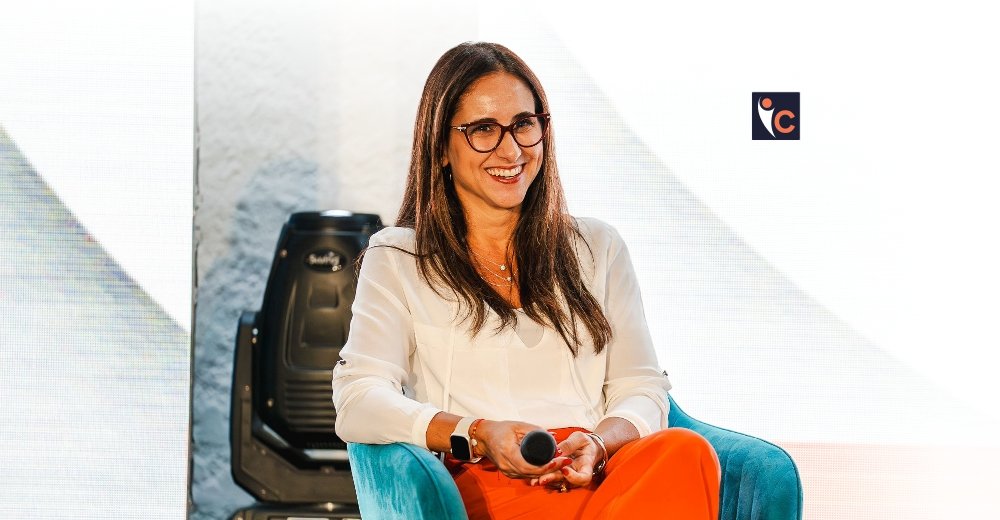
Healthcare today is evolving rapidly, but progress only matters when it reaches patients. Bridging innovation with access has become one of the biggest priorities for leaders across the healthcare sector, especially in regions where systems are complex, and needs continue to grow. Delivering real impact now depends on combining scientific advancement with strong execution, collaboration, and a clear focus on people.
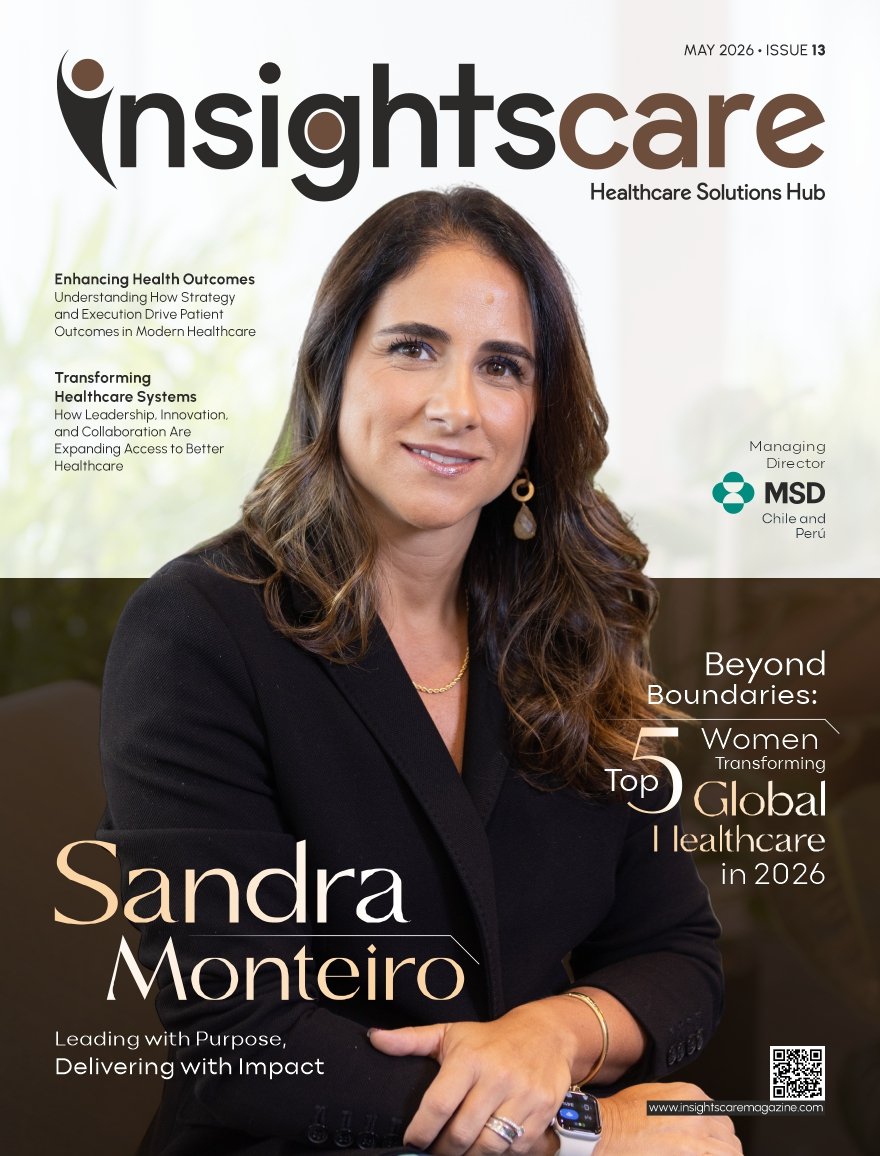
Sandra Tomasi, Managing Director of MSD Chile and Perú, plays a key role in this space. With broad experience in marketing and sales across the full product life cycle, she has developed a strong understanding of how strategy, execution, and teamwork drive long-term impact. Her exposure to both public and private markets has shaped her ability to build strong teams and trusted partnerships that improve healthcare delivery.
Focused on improving patient outcomes, she works toward expanding access to innovative medicines while strengthening the teams and systems that support better care.
Let’s explore her journey in advancing access and innovation in healthcare.
A Journey Built on Belief, Execution, and Growth
Sandra’s professional journey has been guided by a simple belief: “Great patient outcomes come from great people and disciplined execution.” With a career spanning marketing and sales across the full product life cycle, she has worked on everything from blockbuster launches to mature brands, navigating both public and private markets. Early on, she learned that clear strategy, aligned teams, and rigorous execution create long-term momentum.
Over time, she focused on building high-performing teams and strong external partnerships with clinicians, regulators, and patient groups, believing trust unlocks better solutions. Today, she applies operational focus and a collaborative mindset to advance science, strengthen partnerships, and develop the next generation of leaders, always with patients at the center.
Leadership Principles That Define Her Approach
Three core leadership principles have guided Sandra: people development, teamwork, and trust.
She believes, “Leadership starts with truly listening to each person, understanding their strengths, motivations, and stage of development, and then helping them find the best path to grow.” When individuals grow, the whole team and organization become stronger, and the impact on patients increases.
She also places great emphasis on building cross-functional teams. When people bring diverse perspectives from their areas of expertise, the solutions created are more robust, innovative, and sustainable, something crucial in such a complex and regulated sector.
Trust is non-negotiable for her. She chooses to lead from a place of trust in people’s professionalism and judgment, giving them real autonomy and creating an environment where they feel safe to speak up and take responsibility. In an industry that directly impacts people’s lives, this combination of trust, accountability, and collaboration is essential.
Mission and Vision for MSD Chile
MSD Chile’s purpose is clear: to improve and save lives. As Managing Director, Sandra’s mission is to bring that purpose to life while expanding access to life-changing medicines and building strong teams that make sustainable impact possible.
Her mission includes working to improve access to innovative treatments by forging strong collaborations with health systems, clinicians, patient groups, and policymakers, ensuring scientific advances reach the people who need them.
She aims to invest relentlessly in people: developing leaders who combine commercial excellence with curiosity, integrity, and a patient-first mindset. By aligning operational rigor with a culture of learning and inclusion, the aim is to deliver measurable health outcomes today and build the capacity to do even more tomorrow.
“Expand access to life-changing medicines; and build the people who make it possible,” she concludes.
Driving Healthcare Access and Outcomes
At MSD Chile, impact is driven through pioneering science, prevention initiatives, and collaborative partnerships that extend access to care across the country.
Sandra explained that, “The organization leads clinical research in MSD Chile, bringing cutting-edge trials to local patients and generating evidence that informs care regionally.” By partnering with other health ecosystem actors, prevention initiatives aimed at cancer awareness are supported, shifting the focus from treatment to early detection and enabling lasting public health gains.
Through public–private collaborations, access to oncology medicines has been expanded within the public system, ensuring more patients benefit from advances once available only in private care.
Together, she emphasized, these approaches, research, prevention, and partnership create a pathway for better outcomes today and stronger health systems for tomorrow, describing it as pioneering research, prevention, and partnership, bringing breakthroughs to more patients.
Leveraging Innovation for Better Care
As healthcare transforms, MSD Chile leverages research and technology to ensure innovation translates into real access and better care for patients and communities.
Sandra highlighted that a priority for MSD is clinical research efforts, bringing advanced trials and scientific collaboration to the country, generating local evidence that guides care and speeds access to new therapies. That research-driven approach is paired with targeted programs to translate discoveries into practical solutions for health systems and patients, ensuring innovation isn’t just developed but delivered.
By integrating world-class clinical research with a clear focus on access, they aim to turn scientific progress into measurable improvements in health across Chile, she added, reinforcing the focus on “research-driven innovation in Chile; turning discovery into access and impact.”
Building a Culture of Collaboration and Resilience
For Sandra, culture begins with connection. She believes everything starts with being close to the team: listening effectively, encouraging diverse points of view, and building a culture that reflects the needs, strengths, and contributions of each individual.
“When people feel heard and valued, collaboration becomes natural,” she explains.
Resilience and innovation are equally critical. Transparent conversations about where the company stands and where it is heading ensure everyone understands the context and priorities. This alignment helps teams navigate change together and view the constant evolution of the ecosystem not as a threat, but as an integral part of the innovation process.
Innovation, she notes, is part of the organization’s DNA. By cultivating a culture of adaptation, one that is open to new ideas, projects, perspectives, people, and ways of working, teams are encouraged to approach challenges differently and continuously question how to improve. This mindset not only strengthens resilience but also transforms change into an opportunity to create greater value for patients and society.
Embedding Inclusion into Leadership
There’s no leadership without inclusion. Sandra’s approach centers on listening openly, empowering voices, and embedding belonging into strategy so every person can contribute to better patient outcomes.
Leadership starts with intentional listening, seeking diverse perspectives across roles, backgrounds, and experiences to inform smarter decisions. She champions employee business resource groups (EBRGs) as vital engines of insight and empowerment, giving colleagues platforms to shape policy, foster career growth, and strengthen culture.
At MSD Chile, four EBRGs focus on women’s leadership, intergenerational contributions, LGBTQ+ inclusion, and people with disabilities, each shaping policy, fostering career growth, and strengthening organizational culture.
By promoting psychological safety, equitable opportunities, and inclusive collaboration, the organization builds higher-performing teams that reflect the communities it serves and deliver more effective, compassionate care.
Her philosophy is clear: “Listen openly, empower every voice; build teams that reflect and serve our communities.”
Balancing Global Strategy with Local Needs
MSD Chile aligns closely with MSD LATAM and global priorities while tailoring those strategies to Chile’s unique healthcare needs, putting access, innovation, and timely registration at the center.
Sandra explained that their work mirrors MSD’s broader mission to expand access to transformative medicines, but they adapt execution to Chile’s regulatory, payer, and public health realities. A recent example is the swift registration of Enflonsia, a long-acting monoclonal antibody used to prevent respiratory syncytial virus (RSV); one of the first approvals worldwide, demonstrating how local regulatory engagement and clinical readiness can accelerate patient access.
By combining regional coordination, local clinical research capacity, and strong partnerships with health authorities and providers, they translate global science into timely, practical solutions for Chilean patients. She notes, “This dual approach, integrating global resources and standards with deep local insight, ensures they deliver innovations responsibly, sustainably, and where they’re needed most.”
In essence, it reflects a clear commitment to aligning global expertise with local needs, bringing breakthrough medicines to Chile faster.
Addressing Healthcare Priorities in Latin America
Sandra identifies urgent healthcare priorities in Latin America: bringing innovation to more people and expanding equitable access. Companies like MSD can act as catalysts by combining scientific leadership with strategic public-private partnerships.
She explained that the region needs faster adoption of proven innovations and broader, sustainable access to them, meaning not only developing breakthrough therapies but ensuring they reach public health systems and the patients who need them. Practical, scalable solutions come from collaboration: aligning industry expertise with government priorities, clinical communities, and patient groups to design implementation pathways that work in real-world settings.
She further highlighted that MSD’s role is to drive innovation while enabling access, through clinical research, timely registrations, and partnerships that share risk and scale impact. Examples such as joint initiatives with public systems, including vaccination frameworks and access programs for immunotherapy, demonstrate how public–private cooperation can expand treatment options and strengthen health-system capacity across the region.
“When companies commit to partnership, transparency, and patient-centred solutions, they become true catalysts for change, helping Latin America translate scientific progress into measurable health gains for millions,” she states. Together, it underscores a clear direction for the region: bringing innovation to the population while building the partnerships that make access real.
Challenges and Opportunities in Healthcare Leadership
Sandra acknowledged that constant change in the healthcare ecosystem is challenging. New regulations, scientific advances, and evolving patient needs require a high capacity for adaptation. This is approached by staying flexible, keeping the team focused on purpose, and ensuring continuous learning and adjustment.
She highlighted that another challenge is the responsibility to inspire and be a visible role model, especially for women in science and healthcare. She leads by example, showing that it is possible to grow, lead, and have impact, while actively supporting and mentoring women, helping more of them advance and shape the future of the industry.
At the same time, she described that, “The evolution of medical technologies is exciting and inspiring.” More mechanisms of action and therapies tailored to different patient profiles are increasing their impact on patients’ lives and reinforcing purpose and commitment.
She noted that MSD has a diverse pipeline and, in the coming years, will bring forward innovations that will benefit patients in new therapeutic areas, while also acknowledging the clear challenge of ensuring access to these new therapies. Clinical innovation and emerging technologies require a closer connection with the healthcare ecosystem, working with stakeholders to enable timely, equitable access so advances truly reach patients.
A Legacy Rooted in Access and Teamwork
The legacy Sandra hopes to leave at MSD Chile is an authentic culture of teamwork, fully focused on accelerating access for patients. Recently appointed as Managing Director for Chile and Perú, this presents a great opportunity to bring health innovations to more patients.
She envisions Chile and Peru operating as one team with one culture, united by a shared purpose and a clear view of the patient at the center of everything.
For the organization, her aspiration is to leave a strong growth mindset: always aiming to reach more patients, bring more innovative technologies to markets, and expand the impact of the work.
More broadly, she adds that, “I hope our leadership contributes to faster, more equitable access to innovation, so that advances in science truly translate into better outcomes and better lives for patients across the region.”
Advice for Aspiring Professionals and Women Leaders
Sandra’s advice to aspiring professionals, especially women leaders, is simple: “Define a clear purpose, believe in yourself, and let both guide every step of your career.”
She explains that purpose provides direction when choices are hard, while confidence gives the courage to take them. Combined with relentless curiosity and a willingness to learn from setbacks, this builds momentum that outlasts any single role or challenge.
She encourages professionals to seek mentors and sponsors who will open doors, while also paying it forward by mentoring others and creating the networks they wish they had. She also emphasizes the importance of being visible, speaking up, taking stretch assignments, and volunteering for initiatives that expand impact.
Cultivating resilience and balance is essential, she notes, emphasizing that advocating for ideas with conviction while staying rooted in why the work matters, patients, communities, and teams, is what ultimately creates lasting influence.
Together, these principles reflect a clear and enduring approach to leadership: define your purpose, trust your voice, and lift others as you rise.