


Hyperbaric Oxygen Therapy (HBOT) has long been recognized as an important treatment within specialized areas of medicine, particularly for conditions such as chronic wounds, radiation injuries, and certain surgical complications. As awareness grows and research continues to advance, the demand for hyperbaric services is expanding beyond traditional hospital environments. This growth presents an important opportunity for healthcare systems and providers—but it also raises critical questions about how to scale responsibly while maintaining the highest standards of patient safety.
At its core, hyperbaric therapy is a highly controlled medical treatment. Patients breathe 100 percent oxygen within a pressurized chamber, allowing oxygen to dissolve more efficiently into the bloodstream and reach tissues that may be compromised due to injury or disease. Because the therapy involves elevated oxygen concentrations and pressure, safety protocols must remain central to any hyperbaric program.
As HBOT programs expand into multi-site healthcare models, the challenge becomes maintaining consistent clinical standards across every location. Scaling hyperbaric services successfully requires more than simply adding equipment or facilities. It requires a deliberate framework for safety, training, and operational oversight.
One of the most important elements of multi-site hyperbaric expansion is standardized clinical protocol. Every location must operate under the same treatment guidelines, safety procedures, and patient screening criteria. This ensures that regardless of where a patient receives treatment, the quality of care remains consistent. Standardization also reduces variability in patient outcomes and strengthens trust among referring physicians and healthcare partners.
Another critical factor is workforce development. Hyperbaric medicine is a specialized field that requires trained professionals who understand both the science and safety considerations of the therapy. As organizations scale, investing in staff training, certification, and continuing education becomes essential. The success of any hyperbaric program ultimately depends on the competency and preparedness of the clinical team operating it.
In addition to training, multi-site programs must prioritize rigorous equipment maintenance and safety monitoring. Hyperbaric chambers and related systems require regular inspection, calibration, and adherence to established operational guidelines. Safety systems must be integrated into daily workflows so that risk management is proactive rather than reactive.
Technology also plays a growing role in supporting safe expansion. Modern chamber systems include advanced monitoring capabilities that allow clinical teams to track patient responses in real time. Digital record systems can help standardize treatment documentation across multiple sites, ensuring that patient data remains consistent and accessible to healthcare providers.
While operational infrastructure is essential, successful scaling also requires strong relationships with the broader medical community. Hyperbaric therapy rarely functions as a standalone treatment; instead, it is often integrated into multidisciplinary care plans. Collaboration with surgeons, wound care specialists, neurologists, and rehabilitation providers ensures that patients receive coordinated treatment that supports overall recovery.
Beyond clinical considerations, accessibility remains one of the most important drivers behind the expansion of hyperbaric medicine. Many patients who require HBOT must undergo treatments five days per week over several weeks. When facilities are limited to large hospitals or distant locations, patients may struggle to maintain the consistency required for effective therapy.
Expanding hyperbaric services into more communities can significantly improve patient access. However, accessibility must always be balanced with responsibility. Growth should never compromise safety standards or clinical oversight. Healthcare leaders must ensure that every new facility operates with the same commitment to patient-centered care as established programs.
The future of hyperbaric medicine will likely involve greater integration into outpatient healthcare systems and specialized treatment centers. As research continues to explore the role of oxygen therapy in tissue healing, neurological recovery, and inflammatory conditions, demand for HBOT may continue to grow.
Healthcare leaders who approach expansion thoughtfully have an opportunity to shape how this field evolves. By prioritizing patient safety, clinical integrity, and professional training, the industry can scale hyperbaric services in a way that expands access while protecting the standards that define responsible medicine.
Ultimately, the goal of hyperbaric medicine is simple: improving patient outcomes. When healthcare organizations scale responsibly and remain grounded in clinical excellence, they can extend the benefits of this therapy to more patients while strengthening the future of the field.
About the Author
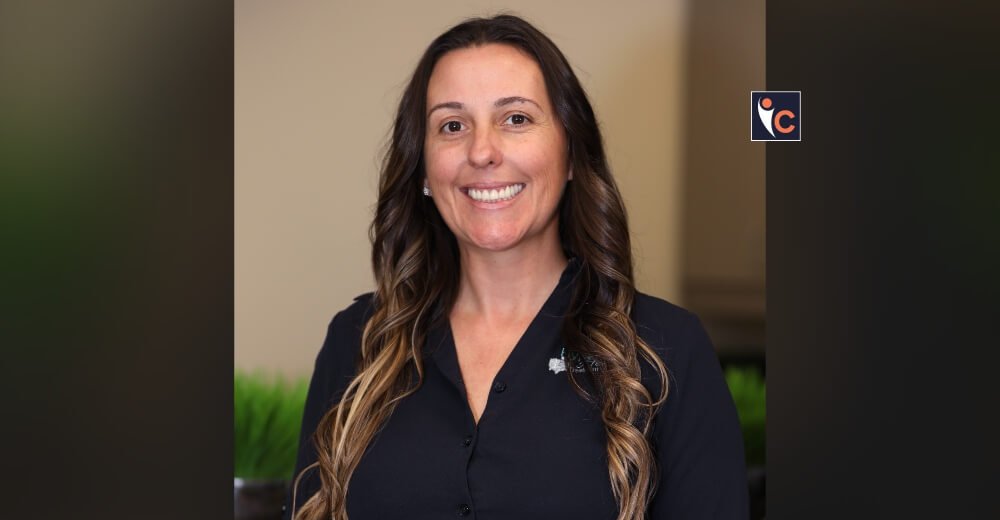
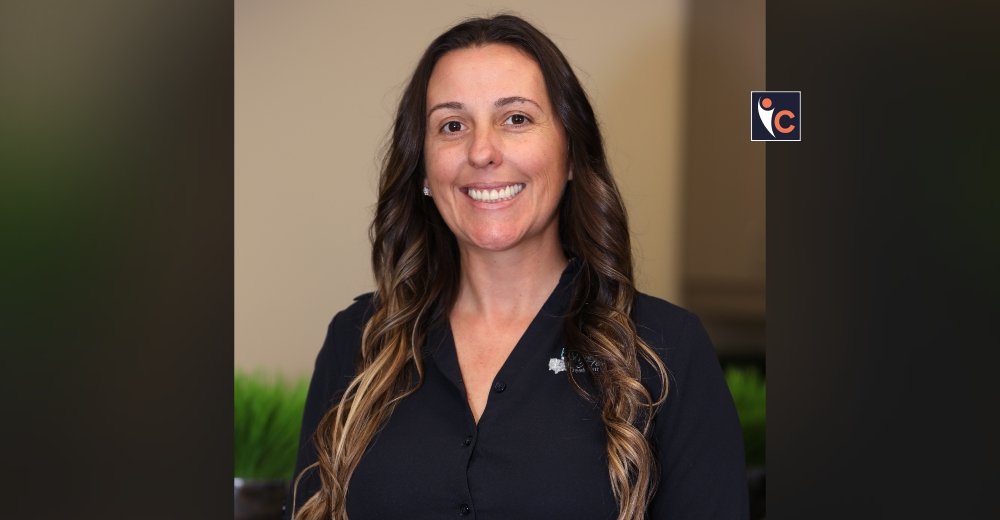
Erika Jordan, DMS, EMT, CHS, is a healthcare entrepreneur and hyperbaric medicine professional serving as Founder and Hyperbaric Director of Hyperbaric Healing Treatment Center in Central Florida. With clinical training as a Diagnostic Medical Sonographer, Emergency Medical Technician, and Certified Hyperbaric Specialist, she focuses on expanding safe, patient-centered access to hyperbaric oxygen therapy.