




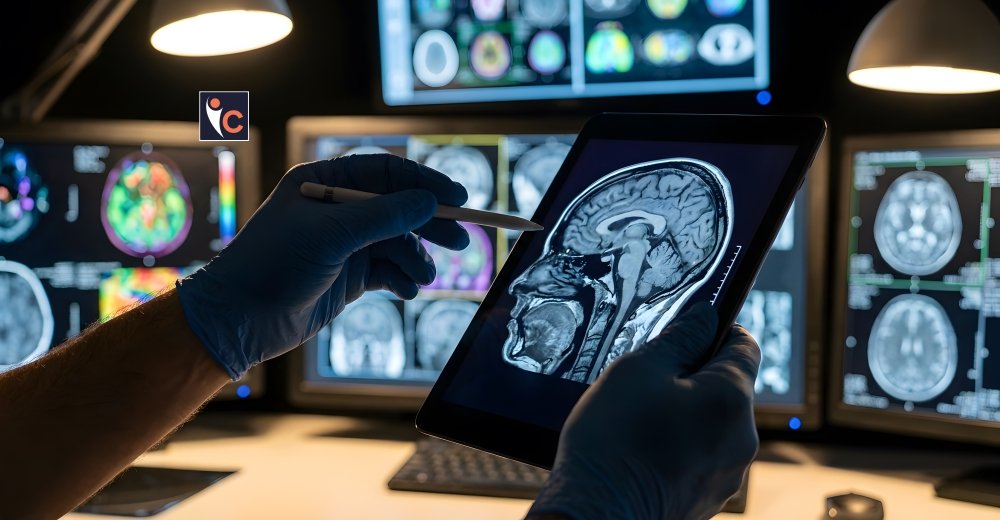
Smarter Diagnostic Solutions
Every effective treatment plan starts with an accurate understanding of what is actually wrong. Before a clinician can decide how to help a patient, they need to know what they are dealing with, what condition is present, how far it has progressed, and what is driving it. This sounds straightforward, but in practice it is one of the most demanding functions in medicine. Clinical diagnostics solutions are what make accurate, timely diagnosis achievable at the scale modern healthcare operates on, and the quality of those solutions shapes the quality of the care that follows them in ways that reach every patient in every setting.
Understanding the Role of Clinical Diagnostics Solutions
The term covers a broader range of activity than many people outside healthcare realize. Clinical diagnostics solutions include the laboratory systems that analyze blood and tissue samples, the imaging technologies that allow clinicians to see inside the body without surgical intervention, the molecular tools that identify genetic and infectious agents, and the data platforms that bring diagnostic information together in formats that support clinical decision-making.
What all of these have in common is purpose: they exist to give clinicians accurate information about a patient’s condition quickly enough and clearly enough to support decisions that genuinely improve outcomes. When that purpose is served well, the entire care pathway that follows benefits. When it is served poorly, even the best clinical judgment is working from an unreliable foundation.
Why Speed and Accuracy Matter in Diagnosis
In many medical situations, the speed of diagnosis directly determines the range of options available for treatment. Conditions that respond well to early intervention become considerably harder to manage once they have had time to progress. Clinical diagnostics solutions that deliver accurate results quickly are not simply operationally convenient; they are clinically consequential in ways that affect what treatment can realistically achieve for the patient at the center of the care.
Accuracy matters just as much as speed. A fast result that is wrong sends care in the wrong direction and creates its own set of problems: delayed appropriate treatment, unnecessary interventions, and a patient who continues to deteriorate while being managed for something they do not have. The combination of speed and accuracy is what genuine diagnostic quality looks like.
Reducing Uncertainty Through Better Diagnostics
Clinical uncertainty is one of the most consistent sources of both cost and risk in healthcare. When clinicians are not confident about what a patient has, the natural response is to order more tests, pursue more consultations, and apply broader treatment approaches that cover multiple possibilities. This is not poor practice; it is a rational response to incomplete information. But it is also expensive and, for patients, often prolonged and stressful.
Better clinical diagnostics solutions reduce that uncertainty by providing clearer, more definitive answers earlier in the diagnostic process. When the information available narrows the clinical picture more quickly and more reliably, decision-making becomes more focused, treatment starts sooner, and the patient’s experience of navigating the healthcare system becomes considerably less drawn out.
Connecting Diagnostic Insights Across the Care Continuum
Diagnostic information only delivers its full value when it reaches the right people at the right time in a format they can act on. Clinical diagnostics solutions that integrate cleanly with electronic health records, clinical decision support systems, and the communication platforms that care teams use day to day contribute to a care environment where information flows rather than sits in a silo waiting to be retrieved.
That integration is not just a technical convenience; it is a patient safety issue. Results that are generated but not promptly seen, or that reach the ordering clinician but not the broader team involved in a patient’s care, create gaps that carry real risk. Well-designed diagnostic solutions account for this and are built with information flow as a core design consideration rather than an afterthought.
Advancing Population Health Through Diagnostic Data
The value of clinical diagnostics solutions extends beyond the individual patient encounter. The aggregate data generated through diagnostic processes provides a window into patterns of disease within populations: what conditions are prevalent, how they are distributed, and where health system resources need to be directed.
That population-level insight supports public health planning, resource allocation, and the early identification of emerging health threats in ways that benefit communities rather than just individuals.
In Summary
Clinical diagnostics solutions are not the most visible part of healthcare. Patients tend to remember the clinician who explained their diagnosis and the treatment that helped them recover, not the laboratory platform or imaging system that made accurate diagnosis possible. But the visibility of a function has no bearing on its importance.
Accurate, timely diagnosis is the foundation on which effective healthcare is built. The solutions that deliver it reliably, quickly, and at the scale modern health systems require are among the most consequential investments in patient care that any healthcare organization makes.