
Bridging Critical Gaps
The global health crises such as pandemics, maternal deaths, malnutrition and access to care, which are low, continue to pose health challenges in the health systems all over the world. The resolution to these issues is through leadership, understanding and pragmatic solutions depending on the demands of the community. Women driving healthcare is a necessary aspect of creating effective solutions to such problems because they have the potential to offer a unique perspective and experience and leadership approaches that empower healthcare systems at all levels.
One of the reasons why women driving healthcare is a significant issue is that it is directly connected to patients and communities. Frontline health care employees who include nurses, midwives, and community health workers, are a large number of female employees. The positions place them at the midway point of patient care where they are conversant with issues that affect individuals in the real world such as access barriers, cultural beliefs, and social differences. This can be applied through such experience in order to develop realistic and inclusive health solutions.
The other strong point of women being the driving force behind healthcare is their preventive care and long-term outcomes. Women leaders have been identified to be more geared towards education, early intervention and public health interventions. Such approaches are of utmost importance during the global health pandemic when it will be possible to save lives by means of prevention and awareness and reduce the burden on healthcare systems. With the help of women leaders, the communities can be stronger against women-related issues because prevention is the key.
Leadership diversity is another factor that is significant in solving the complex health problems. Nursing women in the health sector provide diversity regarding leadership styles that could be able to value cooperation, exchange, and openness. These attributes can be helpful in building the confidence in the healthcare teams, policymakers, and the community in the crisis time. Religiosity plays a significant role in enhancing the acceptance of vaccines, following the instructions of the local health institutions and advancing health education programs in the community.
Women driving healthcare are on the coal face in the quest to improve the healthcare of mothers and children in the majority of regions. Maternal mortality is a major problem in the globe and it is mostly prevalent in low resource settings. Women leaders are conscious of the high risks facing mothers and children and encourage better prenatal care, skilled birth care and postnatal treatments. Their leadership helps fill the care gaps that have been experienced within the vulnerable populations.
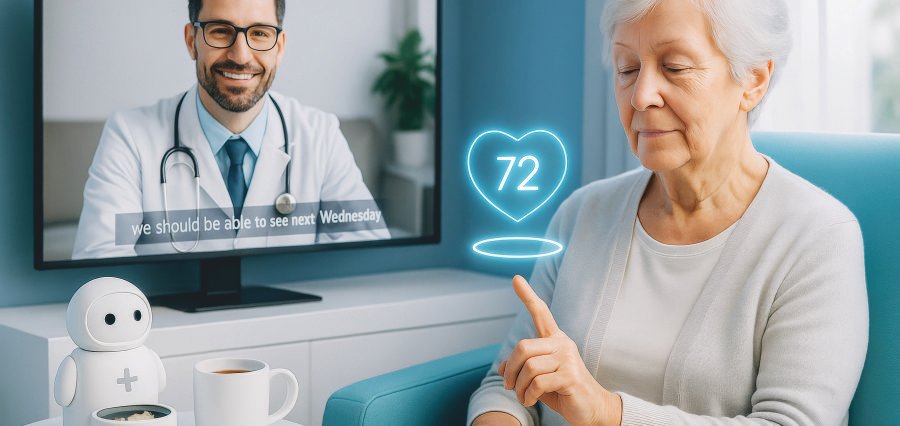
Innovation is another change that women driving healthcare is forced to bring. Women leaders are using technology to reach underserved populations by developing digital health solutions and developing telemedicine. The innovations can be quite beneficial in the international crises when the physical access to medical services may be limited. They create patient-centered care technology and combine the two in creating flexible and effective solutions.
Healthcare is also led by women in terms of policy and decision-making. The approach to health will be more gender-focused and social determinants of health in case women are included in leadership and policy-making. Inclusive policies will improve care accessibility, protect healthcare professionals, and improve health systems overall. Women leaders can be handy in ensuring that health policies become more responsive to the reality that is faced by different people.
The women driving healthcare are generally effective community level advocates and teachers. They also establish awareness programs, healthy behavior promotion and assist in the vaccination programs. They would be able to communicate easily and create relationships that will aid in the process of eliminating misinformation and fear among the population in case of health crises. The population has a good community trust that can be leveraged to improve the health outcomes of the population.
Despite these attempts, the women driving healthcare still face such challenges as inequalities in remuneration, the lack of leadership positions, and underrepresentation in the decision-making cycle. These gaps should be filled so as to have better health systems globally. Educating, mentoring, and leading women with the purpose of assisting them in their potential will unlock their full potential and increase the response to the crisis work.
In conclusion, the existence of women driving healthcare is central in eliminating health disaster in the world. Having a leadership, compassion, innovation, and being connected to the community can be used to address key healthcare delivery and policy gaps. In the future, the global health community in an attempt to give women a voice and empower them can come up with more effective, fair, and lasting solutions to the challenges.