

Prime Highlight
- The UK has started the world’s first clinical trial for LungVax, a vaccine designed to prevent lung cancer by training the immune system to target early abnormal lung cells.
- If successful, the vaccine could reshape lung cancer preventionand complement smoking cessation efforts globally.
Key Facts
- The Phase I trial, funded with up to £2.06 million from Cancer Research UK, will assess safety, side effects, and optimal dosing over four years.
- LungVax uses mRNA technology, similar to COVID-19 vaccines, and will involve patients with early-stage lung cancer or those at high risk identified through NHS screening.
Background
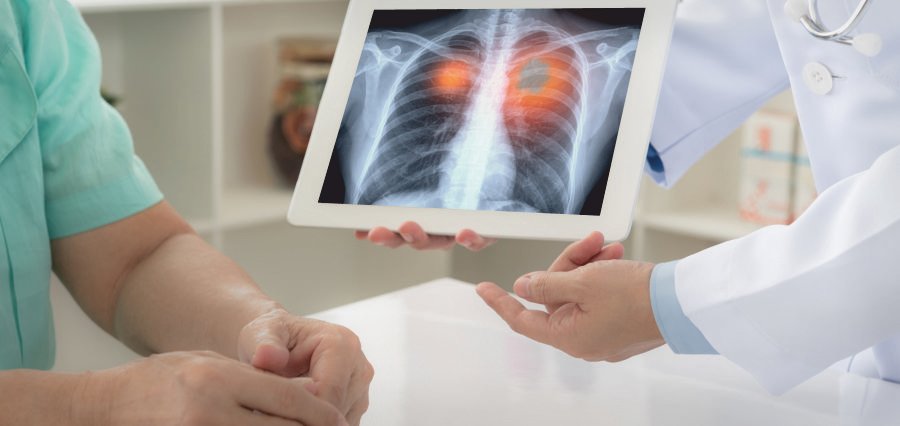
The UK has launched the world’s first clinical trial for a vaccine designed to prevent lung cancer, marking a major step in global cancer prevention. The experimental vaccine, called LungVax, aims to train the immune system to recognise and destroy abnormal lung cells before they turn into tumours. The trial is led by University College London and the University of Oxford.
Lung cancer remains one of the deadliest cancers, with survival rates staying low despite years of research. The UK reports about 48,500 new cases every year, and smoking accounts for more than 70% of them. Scientists have identified early warning proteins, neoantigens, and tumor-associated antigens that appear on lung cells in the first stages of cancer. These discoveries make it possible to develop a vaccine that targets the disease before it starts.
The LungVax Phase I trial has secured up to £2.06 million in funding from Cancer Research UK, with added support from the CRIS Cancer Foundation. The four-year study will examine the vaccine’s safety, side effects, and best dose. Researchers will watch how participants respond and track any immune reactions caused by the vaccine. The trial is expected to begin in summer 2026, pending regulatory approval.
LungVax uses mRNA technology, similar to the platforms used for COVID-19 vaccines, to deliver genetic instructions that help the immune system recognise “red flag” proteins on early cancer cells. Once trained, the immune system can eliminate these cells before tumours form.
The trial will involve two groups: people who have had early-stage lung cancer surgically removed and individuals taking part in NHS lung screening who are at high risk. If successful, LungVax could move to larger trials and eventually support wider cancer prevention efforts.
Researchers say the vaccine could complement smoking cessation efforts and reshape the future of lung cancer prevention worldwide.