Patients aren’t just passive recipients anymore; they research, they question, they expect more. Meanwhile, hospitals and clinics are being asked to do the impossible: deliver better results while cutting costs. Technology is upending everything we thought we knew about healthcare delivery.
Trust has become everything in healthcare. It no longer comes from impressive buildings or long histories. People trust providers who are consistent, who genuinely care, who offer care they can afford, and who help them truly feel and live better.
Orthopaedic care sits right in the middle of all this. Most patients arrive in pain, unsure, and often overwhelmed. They are not just looking for a procedure. They want honest guidance, treatments that truly work, and experts they can trust to walk with them through recovery. Delivering that kind of care takes more than technical skill. It requires strong leadership, connected systems, and an organization that keeps patients first while navigating today’s financial realities.
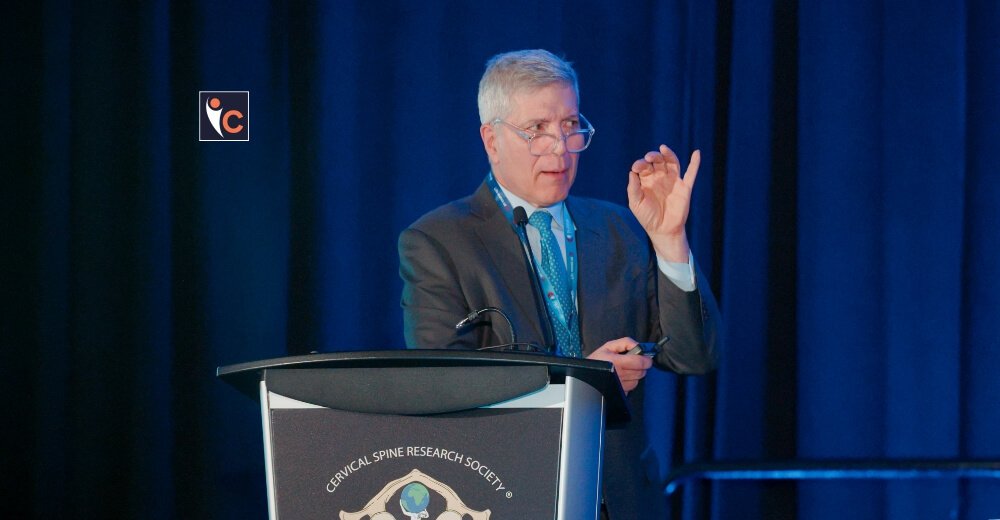
Rothman Orthopaedics has figured out how to do this well. Under the leadership of its President, Dr. Alexander Vaccaro, the organization has earned deep trust by combining excellent clinical care with research, innovation, and a clear focus on affordability. They have shown that it is possible to deliver outstanding care without losing sight of financial responsibility.
Let’s read how Rothman Orthopaedics blends clinical excellence and financial responsibility to set new standards in orthopaedic care!
A Journey Shaped by Medicine, Teaching and Service
Vaccaro’s journey began in academic medicine, where curiosity and rigor were inseparable from patient care. After completing his graduation from Boston College graduating Summa Cum Laude, he attended Georgetown Medical school graduating with honors and then began his orthopaedic residency at Thomas Jefferson University in 1988, entering a demanding environment that emphasized training, teaching, and inquiry. He later completed a spine fellowship at the University of California, San Diego.
Upon graduating his spine fellowship he joined the staff at Thomas Jefferson University and was then hired by the Rothman Institute in 1996, beginning what would become a decades-long professional home. His progression through the organization reflected both trust and sustained contribution. He first served as Chief of Spine Surgery, then Vice Chairman, and in 2014 was appointed Chairman of the Department of Orthopaedics at Thomas Jefferson University and President of Rothman Institute. His re-election in 2026 signaled continuity and confidence in a leadership approach grounded in consistency rather than spectacle. Dr. Vaccaro earned a PhD in 2007 and an MBA in 2015.
Throughout these roles, Vaccaro’s identity remained rooted in patient care, particularly for those with complex spinal conditions. Teaching, research, and clinical work were never viewed as separate responsibilities. Instead, they reinforced one another, shaping a leadership style that sees administration as an extension of medicine rather than a departure from it.
As his responsibilities expanded, so did his engagement with the business side of healthcare. That transition was guided by values rather than financial ambition. He has been clear that sustainability enables service, once summarizing this belief by saying that “without a margin, there’s no mission.” For him, financial discipline is not about profit, but about preserving access, lowering costs, and ensuring that evidence-based care remains within reach for everyday patients.
Mission, Vision and Values in Daily Practice
Many healthcare organizations publish mission statements. Fewer live by them. At Rothman Orthopaedics, mission, vision, and values are not decorative language. They function as daily reference points across clinics, operating rooms, research labs, and administrative offices.
The organization’s mission is defined with clarity and intent. As stated by its leadership, “Our mission is to provide our communities with high-quality, compassionate, and affordable musculoskeletal care that is grounded in evidence-based medicine, the results of which will exceed expectations.” This commitment reflects a careful balance between clinical excellence and affordability, a balance that has become increasingly difficult to achieve in today’s healthcare system.
The vision looks beyond regional leadership to a broader influence. “Our vision is that Rothman Orthopaedics strives to be the global standard for the provision of musculoskeletal care by achieving excellence in patient outcomes, research, teaching, and innovative healthcare technology,” Vaccaro shares. This perspective positions the organization not only as a provider of care, but as a contributor to global standards in MSK health.
Supporting both mission and vision is a clearly articulated set of values. They are defined as “trust, innovation, respect, compassion, excellence, and integrity.” These principles guide hiring decisions, training programs, and leadership development. They also shape how clinicians interact with patients and how teams collaborate across disciplines.
Building Culture Through Apprenticeship and Alignment
Translating values into action across a large organization requires intention. Cultural alignment at Rothman Orthopaedics begins with constant communication and is reinforced through experience. Values, vision, and mission are referenced regularly, not as slogans, but as practical guides for decision-making.
An apprenticeship model plays a central role in shaping culture. Rather than relying solely on formal orientation or policy manuals, clinicians and staff learn by observing how care is delivered and how patients are treated. This hands-on exposure allows individuals to internalize what patient-centered care looks like in real situations.
Over time, alignment becomes natural. Those who share the organization’s priorities thrive and grow within it. Those who do not tend to self-select out. This approach has helped preserve consistency even as the organization has expanded.
The emphasis on excellence is especially evident in training programs. The spine fellowship consistently attracts the top applicants from across the country, despite offering only four positions. This selectivity ensures that future leaders are trained within the same evidence-based, patient-focused culture that defines the organization today.
Access remains a foundational principle. Care is not restricted by background, diagnosis, or circumstance. The belief is straightforward. Anyone with a musculoskeletal condition should be able to receive thoughtful, high-quality care.
Trust Built on Education, Research and Care
Trust in healthcare develops slowly and is reinforced through outcomes, transparency, and reliability. Rothman Orthopaedics has built its reputation around four interconnected pillars: teaching, research, education, and patient-centered care.
While patient care is the foundation, the organization extends its influence through research and education. It plays a leading role in developing clinical practice guidelines that are used by orthopaedic surgeons worldwide. These guidelines are not only published but actively taught, shaping standards of care nationally and internationally.
Education also extends directly to patients. Clear explanations of diagnoses, treatment options, and expected outcomes empower individuals to make informed decisions. This transparency reduces anxiety and strengthens trust, turning patients into active participants in their own care.
Innovation as a Tool for Better Care
In a healthcare environment defined by rapid change, innovation is not optional. It is essential. As Vaccaro has emphasized, “Innovation is at the core of what we do.” This mindset shapes both clinical and operational strategy.
Artificial intelligence has become a powerful tool for improving efficiency. AI-driven systems support patient intake, enhance call center operations, and streamline revenue cycle management. By reducing administrative workload, clinicians are able to focus more fully on patient care.
Ambient AI has also improved clinical documentation, supporting accurate office notes and better communication across departments. These systems reduce errors and help ensure continuity as patients move through different stages of care.
On the clinical side, collaboration with industry partners has enabled advances in robotic surgery, augmented and virtual reality, and next-generation implants. Hybrid AR and VR tools enhance surgical planning and education, while innovations in biomaterials and implant coatings reduce infection risk and promote healing.
A dedicated basic science laboratory bridges discovery and application. Research in cellular regeneration and stem cell science moves carefully from bench to bedside, guided by regulation and ethics. Innovation is pursued with purpose, not novelty.
Technology That Changes the Patient Experience
The true value of technology lies in how it improves outcomes and experiences. Administratively, AI has transformed interactions with insurers. When claims are denied, systems analyze requirements instantly and resubmit information without delay. What once took weeks can now take days or even hours, allowing patients to move forward with care more quickly.
In the operating room, AI-assisted and robotic systems learn from previous cases, enabling greater precision through minimally invasive techniques. These advances reduce surgical time, lower complication rates, and support faster recovery, particularly for complex cases.
Making Advanced Care Affordable
New technology often raises concerns about cost, but at Rothman Orthopaedics, innovation is seen as a way to reduce expenses. Leadership has stated clearly that “Technology actually decreases costs.” Automation replaces tasks that once required significant manpower, reducing overhead and administrative expense.
In surgery, efficiency translates directly into savings. Shorter procedures mean less anesthesia, fewer complications, and reduced need for follow-up care. Fewer revisions and readmissions lower the total cost of treatment, benefits that ultimately reach patients.
Responding to Industry Pressures
Orthopaedics faces ongoing financial pressure, particularly from declining reimbursement rates. Providers are expected to deliver exceptional care with shrinking resources. Rothman Orthopaedics has addressed this challenge by expanding access and rethinking delivery models.
Urgent care outreach centers bring orthopaedic expertise closer to communities, reducing emergency room use. Telemedicine has expanded access further, allowing patients to connect with specialists without travel or disruption to family life.
Breakthroughs Driving the Future of MSK Health
Innovation extends into areas that may redefine musculoskeletal care. Implant coatings developed through research reduce infection risk in joint replacement, one of the field’s most persistent challenges. These biomaterials are both bacteriostatic and bactericidal.
Other research focuses on spinal cord interventions, stem cell regeneration, robotic exoskeletons, and implantable spinal electrodes that stimulate movement below spinal cord injuries. These developments offer new hope for patients facing previously irreversible conditions.
Consistency Across a Growing Network
With over 30 offices across three states, maintaining consistency is essential. The organization operates as an integrated system rather than isolated sites. Daily communication, shared medical records, and frequent meetings ensure alignment.
Evening meetings accommodate demanding surgical schedules, reinforcing shared goals without disrupting patient care. This structure allows growth without sacrificing culture or quality. As leadership has summarized, “We function as a single organism.”
Leadership Grounded in Purpose
Balancing clinical work with organizational leadership requires focus and discipline. Purpose, autonomy, and time management guide daily priorities. Sleep is protected, distractions are minimized, and leadership responsibilities are shared.
Much of the role involves human interaction, supporting teams and helping individuals succeed. Hiring people who excel beyond oneself is viewed as a strength, not a threat.
Decision-making is guided by values that extend beyond work. Family and professional responsibility are given equal respect, reinforcing authenticity and resilience.
A Future Built on Independence and Integrity
Rothman Orthopaedics is focused on staying an independent, single-specialty practice for the next century. This independence allows decisions to remain guided by purpose, with patient care always coming first.
Partnerships are approached with care, and leadership control is never compromised. Growth is intentional, designed to protect the principles that define the organization. Its commitment is captured in a simple statement: “Our intention is to bring the best possible outcomes at the least expensive cost to the patient.”
Shaped by generations of physicians, nurses, and healthcare professionals, the organization operates with a strong sense of unity. In a complex healthcare environment, it continues to stand out for its clarity, discipline, and deeply human approach to musculoskeletal care.