
Critical Skills for Safety
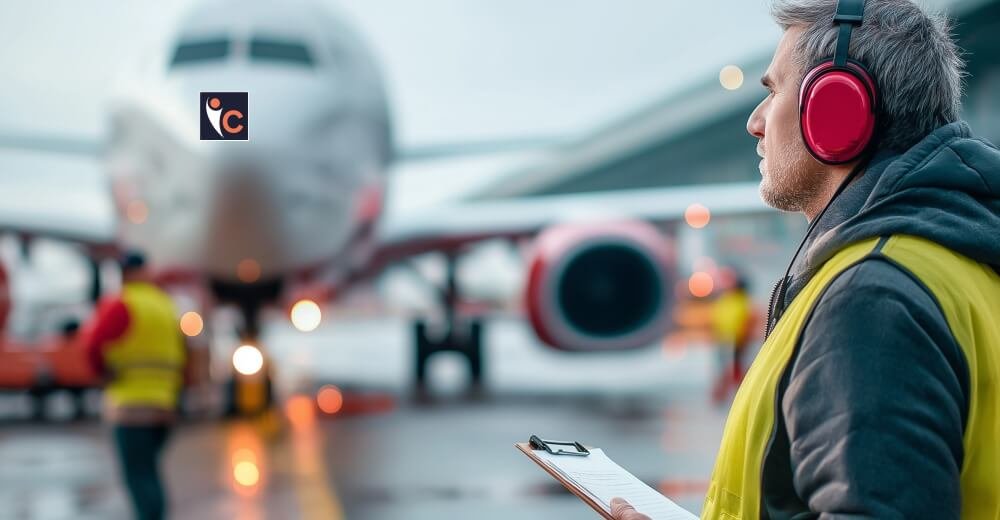
Modern air rescue brings together precise aviation skills and urgent medical care. When lives depend on fast transport through difficult conditions, crews cannot rely on guesswork. The success of a mission often depends on how well teams understand and prepare for the medical realities of flight. Professional aeromedical training is the foundation of this preparation. It provides aviation and healthcare professionals with skills, judgment, and confidence to work safely in the air.
The article describes how professional aeromedical training helps air rescue and aviation crews handle medical and operational challenges in flight to carry out safe and effective emergency missions.
The Medical Challenges of Flight
Medical care in the air is very different from care on the ground. At high altitudes, less air pressure means the body gets less oxygen, which can cause hypoxia. Trapped gases in the body can expand and cause pain or problems. Cold temperatures, vibration, noise, and aircraft movement make conditions even more difficult.
Aeromedical education teaches crews to recognize these risks early and manage them effectively. Teams learn how cabin pressurization, oxygen use, and altitude limits help protect patients. Through professional aeromedical training, crews treat these challenges as part of normal operations and include them in every phase of planning and flight through professional aeromedical training.
Reducing Physical and Mental Risks
An air rescue operation requires crews to be physically and psychologically fit. Even minor issues, such as fatigue, water shortage, and difficulty breathing on board, can be hazardous in a plane. Medical checks help find these issues early. Training sets fitness standards based on the aircraft and mission, so crews are ready for the jobs they do.
Mental health is just as important. Crews often face high-pressure decisions, long hours, and repeated exposure to trauma. The contemporary training is expected to involve mental health awareness so that a person identifies signs of stress and exhaustion at an early stage. Encouraging open communication and peer support reduces the risk of unnoticed mental strain during critical moments.
Teamwork and Human Factors
No air rescue mission succeeds through individual effort alone. Pilots, medical personnel, dispatchers, and ground crews should collaborate harmoniously. Human factors training strengthens communication, situational awareness, and decision-making through realistic scenarios.
By focusing on how people interact under pressure, professional aeromedical training connects the aviation discipline with medical practice. Crews learn how workload, hierarchy, and team culture affect performance. This understanding improves coordination and helps prevent errors in fast-moving situations.
Handling Modern Air Rescue Operations
Air rescue missions have become more complex over time. Crews now transport critically ill patients across long distances, respond to hazardous material incidents, and manage infectious disease risks inside confined aircraft. Training prepares teams for these challenges through focused instruction in flight physiology, infection control, and equipment use.
Simulation training copies real flight challenges like turbulence, hard-to-reach patients, and communication problems from noise and safety gear. Practicing in these safe settings helps teams gain confidence before real emergencies.
Creating a Strong Safety Culture
Safety in aviation depends on constant learning and discipline. Regular drills, clear procedures, and structured debriefings reinforce safe practices across air rescue organizations. Crews trained through professional aeromedical training develop a shared approach to risk management, contamination control, and coordinated response.
This safety mindset often carries over into hospitals and emergency services, improving patient care beyond aviation and highlighting the wider value of aeromedical education.
Maintaining Skills and Advanced Care
Aeromedical skills can weaken if they are not used often. To avoid this, training includes regular classes, simulations, and practice scenarios. Skill-based training helps crews stay confident in tasks like breathing support, critical procedures, and patient monitoring during flights.
Ongoing development allows professional aeromedical training to keep teams ready while adapting to new technology and changing mission demands.
Standards, Innovation, and the Future
Aeromedical training follows strict standards set by national and international aviation authorities. Certification processes covering vision, hearing, and respiratory health help ensure both safety and compliance across civilian and military operations.
The approaches to training are becoming better. State-of-the-art simulators and real-flight training provide simulated conditions of real flight that train sound decision-making and safety. This assists in keeping aeromedical training in line with the aviation industry.
Conclusion
Human performance is critical to aviation safety. Proper aeromedical training helps protect patients, crews, and aircraft. By improving physical fitness, mental strength, teamwork, and skills, this training supports safe and effective air rescue operations.
As air rescue missions become more challenging, this special training helps maintain aviation safety and ensures crews handle emergencies with skill, confidence, and care.