


Flight Safety Through Care
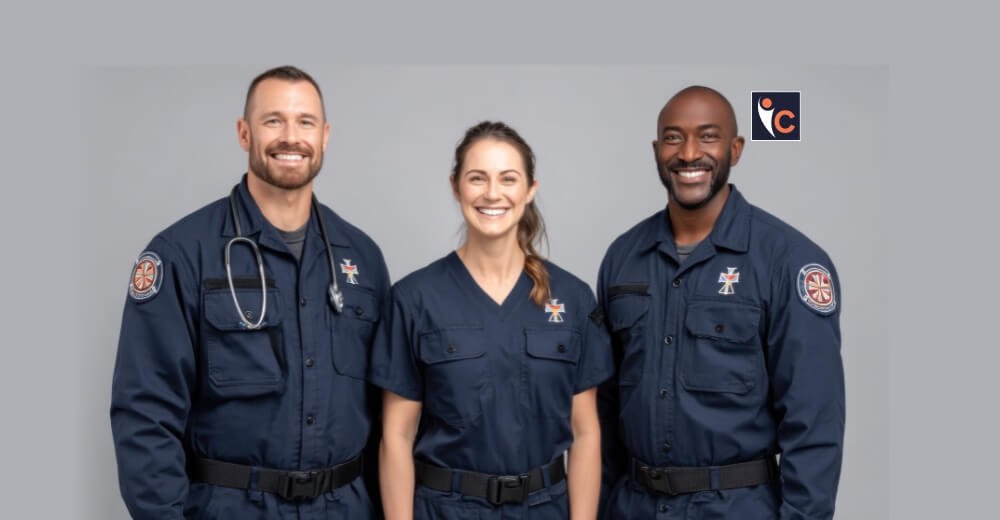
Modern aviation safety relies not only on advanced aircraft and strict procedures, but also on the health and readiness of the people who fly and support those aircraft every day. Pilots and crew members work in conditions that place unusual demands on both the body and mind. Rapid altitude changes, long duty hours, and constant concentration require a high level of resilience. At the core of this people-focused approach to safety are aviation medical education experts, whose work quietly strengthens safe flight operations.
The article describes how aviation medical education experts help keep flights safe by supporting the physical and mental health of pilots and crew through training, medical care, and risk awareness.
Understanding the Human Factor in Aviation
Flying places humans in environments that the body is not naturally designed to handle. Lower oxygen levels, limited space, vibration, and irregular schedules all place stress on physical and mental performance. Managing these challenges takes more than general medical knowledge. It requires a clear understanding of how the aviation environment affects the human body.
Aviation medical education experts help bridge this gap by combining medical science with real operational experience. Many are trained as aviation medicine specialists or aeromedical examiners. They teach pilots and crew how to spot health risks early and respond properly. Their work goes beyond rules and supports long-term health throughout an aviation career.
Defining a Specialized Discipline
Aviation medicine brings together occupational health and flight operations. Aviation medical education experts develop training that explains how altitude, pressure changes, acceleration, and spatial orientation affect the body. Subjects such as hypoxia, pressure-related injuries, and sensory illusions are taught in a practical way, directly linked to cockpit performance and decision-making.
These professionals use proven aviation risk-management practices. By improving equipment, procedures, and personal safety, they reduce risks before they become problems. Their training follows international aviation rules, helping maintain global safety and certification standards.
Managing Physiological Challenges in Flight
A key part of aviation medicine education involves preparing crews to recognize and manage physical stress during flight. Training addresses risks such as decompression sickness, acceleration forces, and temperature extremes, with a strong focus on early warning signs and correct responses.
Hands-on learning plays an important role. Reduced-oxygen training allows pilots to experience hypoxia symptoms in a safe setting, improving self-awareness and reaction time. Understanding personal physical limits helps crew members maintain performance during unexpected situations. Regular refresher training ensures this knowledge remains current as aircraft and operations evolve.
Preventing Physical Incapacitation
Staying fit for flight requires ongoing attention. The specialists of aviation medical education are in charge of aeromedical certification and regular medical checkups, depending on the operational requirements. They evaluate the heart, lung and neurological condition with a solid understanding of how even minor conditions may impact high altitude performance.
Training also focuses on long-term health issues. Problems like poor sleep, fatigue, and metabolic conditions can lower alertness over time if not addressed. Regular medical checks and clear reporting help prevent sudden or gradual health issues. Crews are also trained on medical emergencies onboard, where they will be using available equipment and basic first-aid skills.
Supporting Psychological Fitness
Mental health has become an essential part of aviation safety. Aviation medical education professionals contribute to the development of the way in which the industry tends to the psychological well-being. Their programs focus on recognizing stress, managing pressure, and encouraging early support without fear of stigma.
This education supports teamwork as well as individual health. By using crew resource management, training improves communication, teamwork, and decision-making in stressful situations. Regular mental health refreshers help crews spot fatigue or stress early. Working closely with regulators keeps safety standards up to date and reliable.
Integrating Fatigue Risk Management
Fatigue is one of the biggest risks in flying. Training helps crews understand how poor sleep, long duty hours, and little rest affect alertness and judgment. It also teaches simple steps like healthy sleep habits, proper rest planning, and staying alert while on duty.
These lessons fit into wider safety management systems, linking individual responsibility with company policies. By encouraging a culture that treats rest as essential to safety, education helps reduce errors during critical phases of flight.
Conclusion
The influence of aviation medical education experts extends across all areas of aviation safety. They combine medical knowledge in training, certification and daily operations to ensure that human-related failures do not happen beforehand. Their work supports a simple truth: healthy, supported crews make safer flights.
As aviation evolves, the collaboration among educators, airlines, and regulators assists in maintaining medical training as productive and helpful. This focus on health and performance ensures aviation medical education continues to play a key role in keeping the skies safe.