


Global Care Adaptation
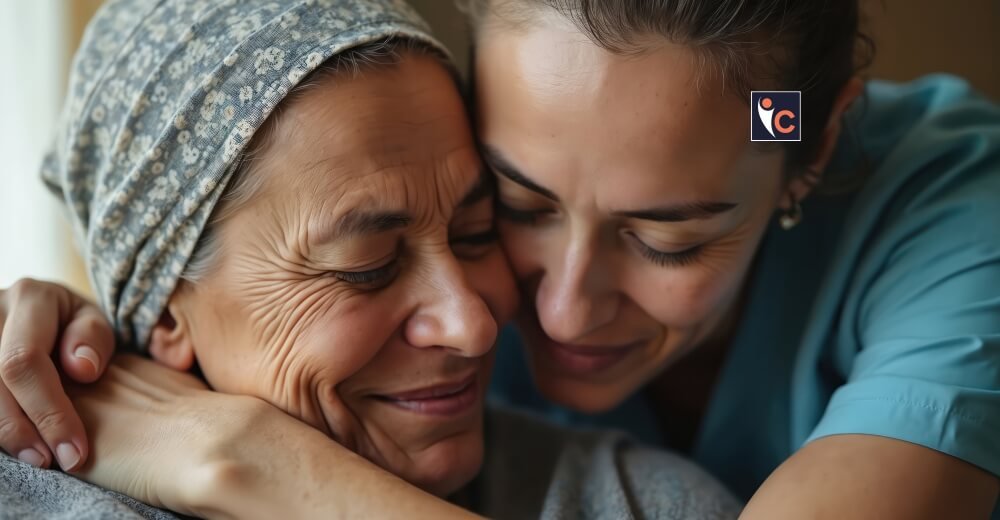
Populations across the world are growing older at a fast pace. This shift brings new challenges, but it also opens doors for better and more thoughtful care systems. The aging care industry is changing its approach to meet these needs with practical and human-focused solutions. It is no longer just about support; it is about helping people live with dignity, comfort, and independence.
Today, care models focus on real-life needs rather than fixed systems. From technology to community support, every step aims to improve daily life. Such changes might appear ordinary, but they generate a powerful effect in the long run. With the growing global needs, care providers keep changing their ways to make them feel both modern and personal.
Embracing Everyday Technology to Simplify Life
Technology now plays a key role in daily care. Devices like smartwatches track health and send alerts when something is wrong, helping families and caregivers stay informed without watching all the time.
Smart home systems also introduce safety. Lights are activated automatically, there are reminders to manage medication, and the sensors detect movement. These tools make daily tasks easier and lower risks. The aging care industry uses them to help people stay independent while staying safe.
Prioritizing Home-Based Care Models
Many people prefer to stay in their own homes as they age. Home-based care makes this possible by bringing services directly to them. Caregivers assist with meals, exercise, and medical needs, all within a familiar environment.
This model allows routines to stay unchanged. It also builds stronger relationships between caregivers and patients. Families can stay involved, which adds emotional support. The aging care industry continues to expand home care as it reduces pressure on hospitals and improves comfort.
Equipping Caregivers with Comprehensive Training
Caregivers play a central role in quality care. Proper training assists them in managing both physical and emotional needs. They learn how to communicate effectively, understand patient behavior, and respond with empathy.
Cultural awareness and stress management are also part of the training. This ensures that care feels respectful and balanced. Skilled caregivers improve overall experiences and build trust with patients and families.
Thoughtfully Redesigning Living Spaces to Blend Safety Features
Living spaces are being redesigned to improve safety without losing comfort. Simple changes like non-slip flooring, better lighting, and easy-to-use fixtures reduce accidents. These updates make everyday activities smoother.
At the same time, spaces are kept warm and welcoming. Natural light, calm colors, and open layouts create a positive environment. The aging care industry supports these designs to ensure that safety and comfort go hand in hand.
Championing Prevention Strategies
Preventive care is becoming a major focus. Regular health checks and simple routines help detect issues early. Activities like light exercise, balanced diets, and mental engagement keep people active and healthy.
Community programs also encourage awareness and healthy habits. These efforts reduce long-term health risks and improve quality of life. Prevention not only supports individuals but also reduces the burden on healthcare systems.
Strengthening Community Networks
Social connection plays an important role in well-being. Community programs get people involved in group activities, events, and shared spaces. These interactions reduce loneliness and improve mental health.
Volunteers and local groups often run these programs. Simple activities like group walks or hobby classes create meaningful connections. Well-built communities make the process of aging a more positive experience.
Tailoring Care Plans
Each person has unique needs and preferences. Care plans now reflect individual lifestyles, habits, and goals. This strategy renders care more meaningful and effective.
Regular updates ensure that plans stay relevant as needs change. Involving families in decisions also improves support. Personalized care creates a sense of control and comfort.
Fostering Global Partnerships
Countries are now working together to improve care systems. Sharing knowledge helps solve common challenges and introduces better practices. Global partnerships also support training and research.
These collaborations strengthen systems worldwide. By learning from each other, care providers can improve faster and deliver better results.
Adopting Sustainable Practices
Sustainability is emerging as a key element of care. Environmentally friendly designs, energy-saving systems and waste management are helpful to both people and the environment. These efforts also reduce long-term costs.
Simple steps, like using natural resources wisely, generate long-term advantages. Sustainable care provides a healthier future for the next generations.
Shaping Forward-Thinking Policies
Strong policies create reliable care systems. Both governments and organizations are concentrating their efforts on funding, training and ensuring access to essential services. The ultimate goal of these policies is to make care accessible to all.
Policies that are flexible enable the systems to adjust according to future requirements. Clear guidelines also enhance uniformity and quality of services.
In Summary
All these efforts work together to create a better care system. The combination of technology, home care, training, and community support is aimed at addressing the increasing needs. The aging care sector is dynamic and ever-changing with changing times, while keeping people at the center.
As the world moves forward, the focus remains clear—provide care that respects life, supports independence, and builds stronger communities. With steady improvements, the future of care looks more inclusive, balanced, and hopeful.