Digestive health plays a vital role in overall well-being, affecting metabolic balance, immunity, and long-term disease prevention. Conditions such as colorectal cancer, inflammatory bowel disease, liver disorders, and metabolic diseases require more than routine treatment. They demand structured screening, early detection, precise therapies, and a system of care that focuses on both clinical outcomes and quality of life. Today, gastroenterology has moved beyond simple symptom management to emphasize prevention, minimally invasive procedures, and consistent standards of care.
In Dubai, this progress is supported by a healthcare environment known for stability, safety, and forward-looking leadership. The United Arab Emirates continues to create conditions where medical services can grow and improve. Hospitals operate with confidence and continuity, allowing specialists to concentrate on collaboration, innovation, and the careful adoption of advanced medical techniques.
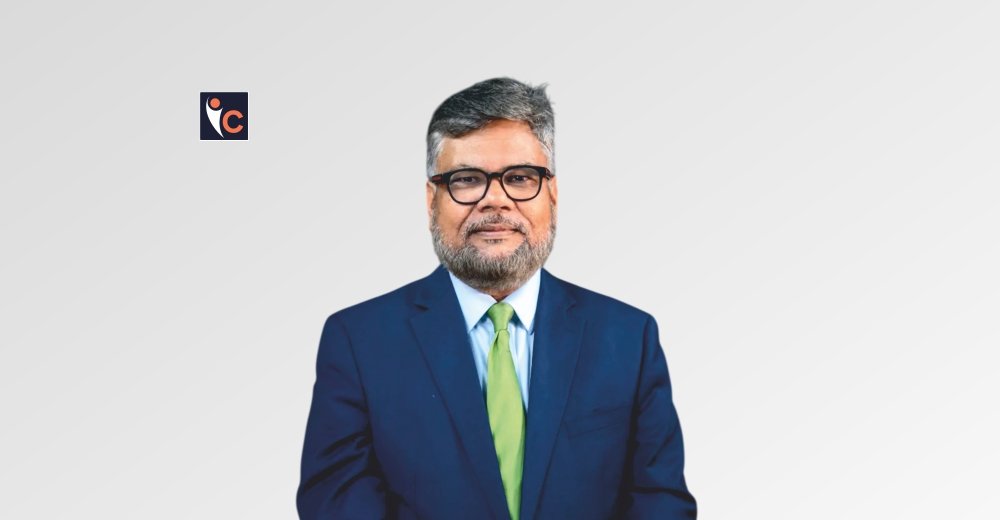
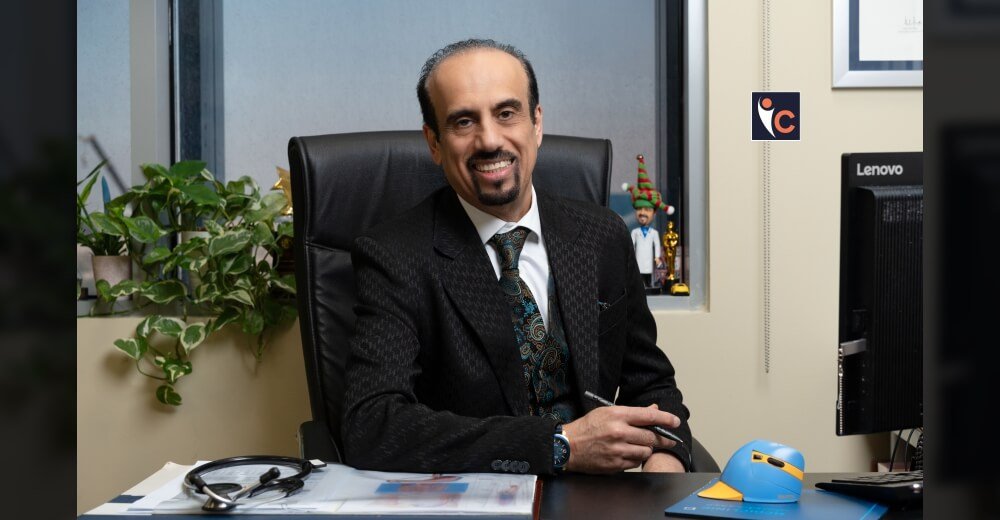
At the center of this development is Dr. Mazin Aljabiri, Consultant Physician and Gastroenterologist, Leading the Gastroenterology and Hepatology Services at Mediclinic Parkview Hospital. His work focuses on structured digestive care, using advanced procedures and clear clinical standards to improve patient care across the region. With international training and a focus on global standards, he is dedicated not only to performing complex procedures but also to building reliable systems that maintain high-quality care.
His journey highlights how experience, structure, and innovation are helping shape the future of gastroenterology in the UAE and strengthening digestive healthcare across the region.
Let’s explore how his vision and expertise are shaping the future of digestive healthcare in the UAE.
A Journey Shaped by Excellence
Dr. Mazin’s professional journey began in the United Kingdom, where he trained at institutions such as The Royal Free Hospital, Barts and The London, and University College London Hospitals. These were environments where clinical governance, patient safety, and multidisciplinary care were not optional; they were foundational.
Working within that system shaped his understanding of what true medical excellence means. Standards were not suggestions. Outcomes were not assumptions. Everything was measured, reviewed, and improved. Training there shaped his belief that “Excellence in digestive healthcare must be systematic. It must be measurable. And it must constantly evolve.”
When he moved to the UAE, he carried that philosophy with him. His goal was not simply to practice medicine; it was to elevate standards, introduce advanced therapeutic endoscopy, and build a service aligned with global benchmarks. For him, relocation was not about a change of geography; it was about continuing a mission built on structure, accountability, and innovation.
Digestive healthcare today is no longer reactive. It is predictive, minimally invasive, and increasingly technology-driven. His journey reinforced a principle he continues to follow: if healthcare is not advancing, it is falling behind.
Building Systems of Excellence
As Dr. Mazin’s career progressed, his role expanded. Today, his responsibilities extend far beyond performing complex procedures. He leads and advances Gastroenterology and Hepatology services at Mediclinic Middle East, focusing on clinical governance, quality assurance, and integration of advanced endoscopic technologies. He also prioritizes multidisciplinary collaboration and structured cancer screening pathways, while emphasizing training and mentorship.
The service encompasses advanced therapeutic endoscopy, complex pancreato-biliary intervention, structured inflammatory bowel disease management, and minimally invasive metabolic therapies. He believes, “Excellence is not achieved through individual brilliance alone; it is built into systems.” To ensure this, adenoma detection rates are closely monitored, outcomes are regularly audited, and performance is benchmarked against international standards, reflecting his principle that quality must be intentional.
Leadership in High-Stakes Medicine
Gastroenterology is often high-stakes, particularly in the management and treatment of complex medical conditions. These include complex ERCP and advanced pancreato-biliary disease, where precision and expertise are critical for successful outcomes. It also involves cholangioscopy-guided interventions, which require advanced skills and careful clinical judgment.
Early gastrointestinal cancer treatment requires timely diagnosis and the right therapy to improve survival rates. The field also includes complex inflammatory bowel disease, where long-term care and personalized treatment plans help improve patients’ quality of life.
Dr. Mazin Aljabiri was privileged to introduce SpyGlass™ cholangioscopy to the Middle East, allowing direct visualisation and targeted therapy of bile duct disease. This transformed the management of difficult stones, strictures, and suspected cholangiocarcinoma, significantly reducing the need for major surgery. It marked a shift toward greater precision and less invasive care.
In parallel, he pioneered advanced endoscopic reflux therapies in the region, including GERDx, Transoral Incisionless Fundoplication (TIF), and STRETTA, providing patients with minimally invasive alternatives to chronic medication dependence or surgical intervention.
His leadership style is both structured and empowering, grounded in clear standards, open dialogue, and accountability. He emphasizes that in complex cases, multidisciplinary discussion is essential, as no single specialty owns the patient; the team does. He often expresses that “True leadership in medicine is not about control. It is about multiplication — developing others so that excellence becomes reproducible.”
Confronting the Greatest Challenges in Modern Gastroenterology
Modern gastroenterology faces serious global challenges. The rising incidence of colorectal cancer, metabolic disease, and complex inflammatory bowel disease(IBD) continues to place pressure on healthcare systems worldwide. Late detection remains a major problem. Many patients are asymptomatic in early stages, which makes structured screening essential.
This reality influenced one of the most important decisions of Dr. Mazin’s career, introducing AI-assisted colonoscopy to the Middle East. By enhancing adenoma detection, AI improves the early identification of precancerous polyps and reduces miss rates.
At the same time, the growing burden of obesity and fatty liver disease led to the introduction of Endoscopic Sleeve Gastroplasty (ESG) in the region. This offered patients a minimally invasive option for metabolic treatment. For him, challenges are not obstacles; they are opportunities to drive innovation.
Excellence in Inflammatory Bowel Disease
Before relocating to the UAE, Dr. Mazin Aljabiri served as the North East London Lead for Inflammatory Bowel Disease, overseeing complex Crohn’s disease and ulcerative colitis management within the UK healthcare system.
Inflammatory bowel disease(IBD) is unpredictable and often life-altering. It affects patients in their most productive years, impacting not only physical health but quality of life.
His practice covers the full spectrum of gastrointestinal care, ranging from mild ulcerative colitis to complex, stricturing and fistulising Crohn’s disease, ensuring comprehensive and patient-focused management at every stage. It includes advanced biologic therapy, both oral and injectable, providing modern, evidence-based treatments based on each patient’s needs.
The practice also includes personalised treatment escalation strategies and therapeutic drug monitoring, helping to optimise outcomes while maintaining long-term disease control. In addition, it involves endoscopic stricture dilation and multidisciplinary surgical coordination, ensuring patients receive smooth and collaborative care for the best possible results.
For him, the goal extends beyond symptom control; it is about achieving deep remission, promoting mucosal healing, and maintaining long-term stability. He emphasizes, “IBD may be unpredictable. Care should not be.”
Staying Ahead in a Rapidly Advancing Field
Digestive medicine is advancing rapidly, with developments in biologics for IBD, AI-assisted diagnostics, minimally invasive cancer treatments, and precision therapeutics reshaping standards of care. To stay at the forefront of these advancements, he actively participates in international conferences such as DDW and UEGW, engages with global medical societies, continuously reviews emerging research, and undertakes hands-on advanced training.
He completed formal training in Endoscopic Submucosal Dissection (ESD) in Tokyo, one of the most technically demanding endoscopic procedures worldwide. This advanced technique enables the removal of early gastrointestinal cancers en bloc, without the need for open surgery. He emphasizes that “Innovation should not be geographical. It should be accessible.”
Milestones That Matter
Dr. Mazin’s career includes over 60,000 procedures performed and more than 3,000 complex ERCPs. He introduced SpyGlass™ to the Middle East, pioneered GERDx, TIF, and STRETTA in the region, completed advanced ESD training in Japan, served in North East London IBD leadership, and participated in national bowel cancer screening programs.
While these milestones are impressive, he values the quieter achievements most — the early cancers removed without surgery, the bile ducts cleared without open intervention, and the Crohn’s patients restored to remission. For him, numbers measure activity, but outcomes measure true impact.
A Regional Centre of Excellence
Looking ahead, Dr. Mazin’s vision is clear: to build a fully integrated centre of excellence in therapeutic and interventional gastroenterology within the UAE, combining advanced minimally invasive procedures, precision biologic therapy, and structured training pathways. For him, digestive medicine is no longer confined to symptom management but is centered on prevention, precision, and the preservation of quality of life. He believes, “The true measure of success is reflected in every avoided surgery, every early cancer detected, and every life quietly redirected.”
He also aims to establish a regional hub for advanced endoscopy, ensuring specialists across the Middle East can access world-class expertise without leaving the region. He believes the UAE is uniquely positioned to lead in medical innovation, and his role is to ensure digestive healthcare remains at the forefront of that transformation.
Life and Work in Dubai During Regional Challenges
Living and working in Dubai, I have witnessed firsthand the remarkable stability, resilience, and sense of security that define the United Arab Emirates, even during periods of regional uncertainty. Despite challenges that may affect the wider region, daily life and professional responsibilities continue uninterrupted. Healthcare services remain fully operational, and as physicians, we continue our work as part of the frontline of care, ensuring patients receive the attention and treatment they need without disruption.
This sense of confidence is deeply rooted in the leadership and vision of His Highness Sheikh Mohamed bin Zayed Al Nahyan, President of the United Arab Emirates and Ruler of Abu Dhabi, whose commitment to the safety, stability, and prosperity of the nation is widely respected. Under his leadership, the UAE continues to demonstrate remarkable resilience and unity.
In Dubai, this confidence is further strengthened by the guidance of His Highness Sheikh Mohammed bin Rashid Al Maktoum, Vice President and Prime Minister of the United Arab Emirates and Ruler of Dubai, whose vision has helped establish the city as a global hub for innovation, progress, and opportunity.
At the same time, the forward-looking leadership of His Highness Sheikh Hamdan bin Mohammed bin Rashid Al Maktoum, Crown Prince of Dubai and Chairman of The Executive Council of Dubai, continues to inspire a dynamic and optimistic environment for residents and professionals alike.
What makes the UAE truly unique is the sense that everyone living here is part of a broader community. The country’s leadership consistently emphasizes that residents are valued members of the nation’s extended family, fostering an atmosphere of inclusivity, stability, and mutual respect.
For those of us working in healthcare, this environment allows us to focus fully on our mission: caring for patients, advancing medical practice, and contributing to the continued well-being of the community.
Dubai remains vibrant, confident, and forward-looking, and it is a privilege to live and work in a country where safety, progress, and human wellbeing remain central priorities.
The Evolution of Gastroenterology
Gastroenterology has evolved dramatically over the past two decades. Endoscopy has moved from simple visualization and diagnosis (Endoscopy 1.0) to advanced therapeutic interventions that replaced many surgical procedures (Endoscopy 2.0). More recently, the field expanded further with third-space endoscopy, allowing highly specialized procedures within the deeper layers of the gastrointestinal tract.
Today, we are entering the next frontier: Endoscopy 3.0, where integrated robotic endoscopic platforms combined with novel energy technologies are beginning to emerge. Although still in early stages, this shift is expected to significantly expand the therapeutic reach and precision of endoscopic treatment, representing a truly transformative step for the field.