Orthodontics is a discipline that demands considerably more than technical proficiency. Treatment extends over months, sometimes well beyond a year, and its success depends as much on the relationship between clinician and patient as on the clinical intervention itself. Patients arrive not only with dental concerns but with questions about appearance, confidence, and how treatment will fit into their lives. Addressing those concerns with honesty and care is what distinguishes truly patient-centred practice from routine clinical work.
The field is also changing. Across India, digital treatment planning, clear aligner therapy, and advanced imaging have raised both the standard of care and the expectations patients bring to their first consultation.
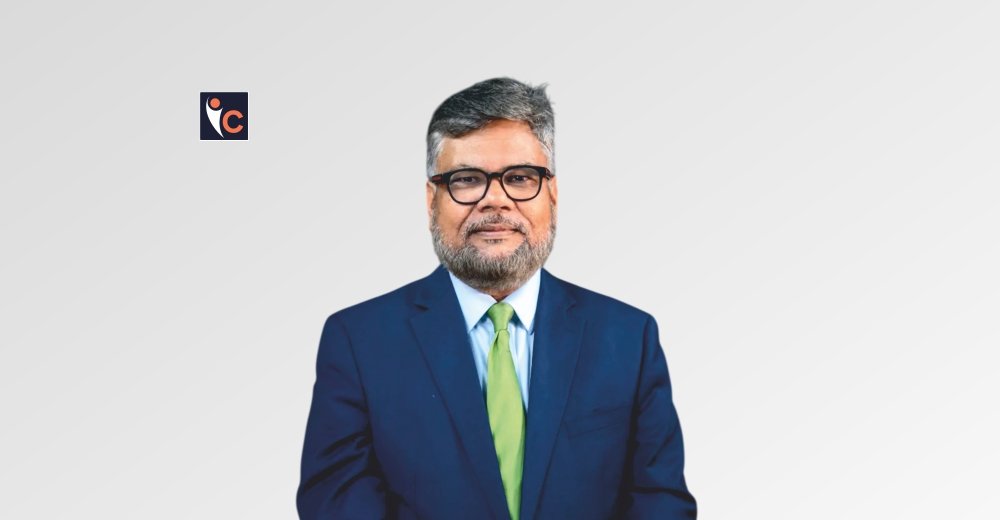
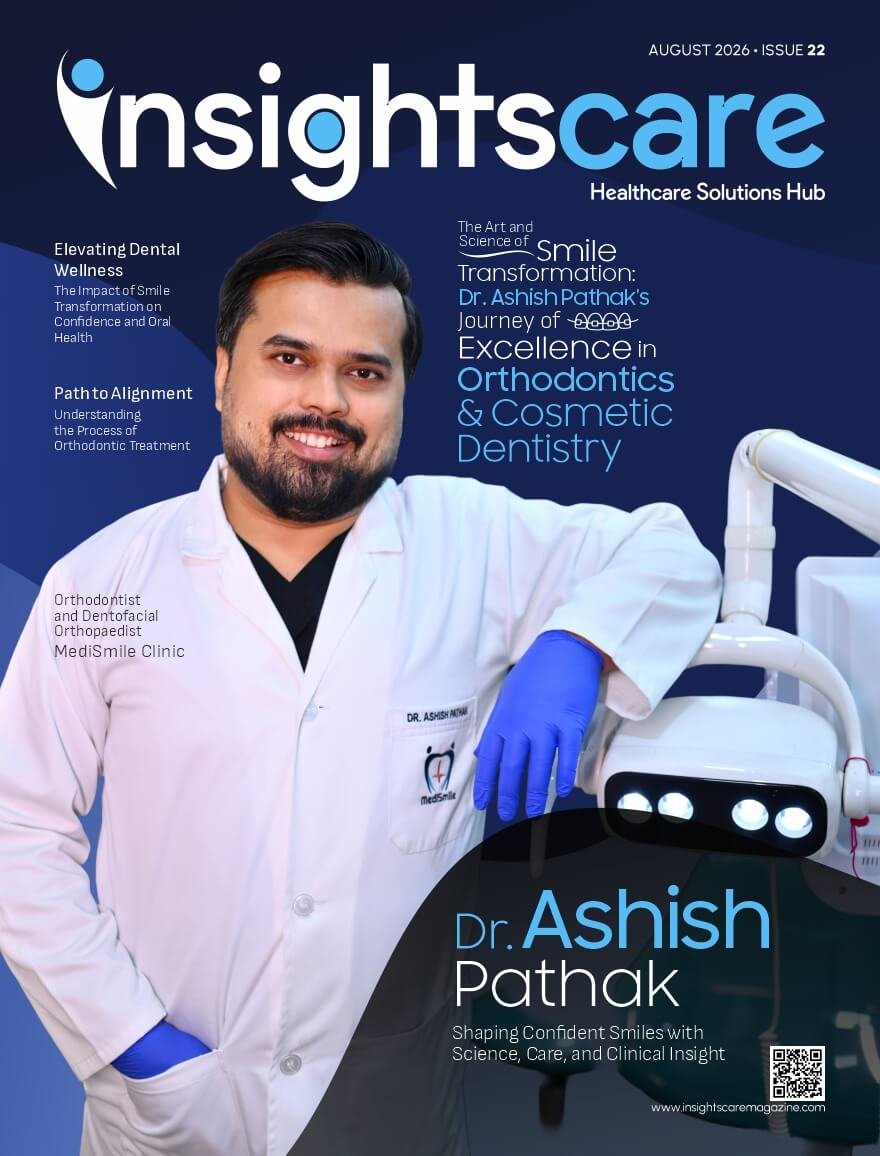
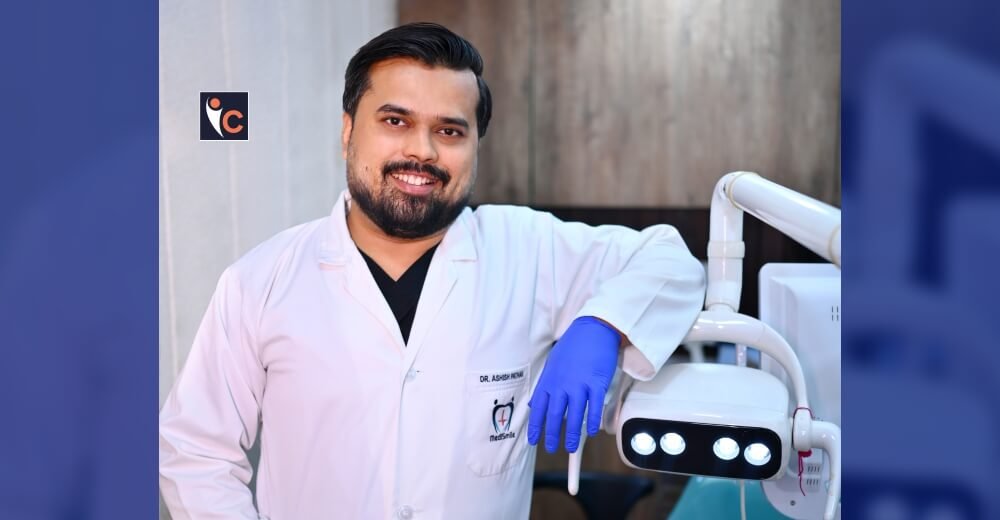
Dr. Ashish Pathak is an Orthodontist and Dentofacial Orthopaedist at MediSmile Clinic. Over the years, his work has taken him across a wide range of cases, from complex skeletal corrections to aesthetic alignment. He is particular about diagnosis and believes patients deserve honest, straightforward conversations about their treatment. He believes every treatment decision should serve the patient’s long-term oral health, not short-term convenience.
Let’s explore the principles and experiences that guide Dr. Ashish’s approach to orthodontic excellence!
A Journey Guided by Curiosity and Purpose
Looking back, Dr. Ashish Pathak realises that his journey has been shaped as much by curiosity as by opportunity. During his BDS at Manipal College of Dental Sciences, he was drawn to orthodontics because it combined everything that fascinated him about dentistry, biology, precision, aesthetics, and long-term patient relationships.
Unlike many dental procedures that offer immediate results, orthodontics is a gradual process. It demands careful planning, patience, and a partnership between the clinician and the patient. That journey of transformation was what appealed to him most.
Pursuing his MDS in Orthodontics and Dentofacial Orthopaedics at SPPGIDMS, Lucknow, further strengthened that conviction. Managing patients with varied skeletal and dental problems taught him that successful treatment begins with understanding the individual rather than simply correcting the malocclusion. Every patient has different expectations, lifestyles, and clinical needs, and those differences should shape the treatment plan.
Over the years, his career has evolved across clinical practice, academics, and research. Working as a consulting orthodontist has enabled him to treat patients from diverse backgrounds, while teaching has kept him intellectually engaged and encouraged him to continually revisit established concepts through the lens of emerging evidence.
Reflecting on what continues to inspire him, he shares, “At its heart, orthodontics is not about creating perfect smiles; it is about improving function, confidence, and quality of life.” The most meaningful moments in his practice are not when the braces come off, but when patients smile freely without being conscious of themselves. Those moments continue to remind him why he chose this profession.
Building Clinical Excellence Around the Individual
Dr. Ashish Pathak believes that education shaped not only his clinical abilities but also the professional values that continue to guide every patient interaction.
At Manipal, he trained in an environment that emphasised scientific thinking, ethical practice, and comprehensive patient care. It was there that he learned the importance of treating the individual, not just the clinical condition.
His postgraduate training brought an entirely different perspective. Orthodontics requires a careful balance of science and judgment, where every diagnosis influences treatment that may continue for two years or more. As a result, every decision must be guided by long-term stability rather than short-term convenience.
One lesson, however, has remained constant throughout his career. As he explains, “Listening is an essential clinical skill.” Before discussing appliances or treatment mechanics, he first seeks to understand what each patient hopes to achieve. A teenager seeking confidence before college, a working professional looking for discreet treatment, or a parent concerned about their child’s growth may present similar clinical diagnoses, but each requires a different conversation.
For him, clinical excellence is not defined by adopting the newest technology or the latest appliance. Instead, it is built on accurate diagnosis, evidence-based treatment, honest communication, and consistency in care. Those principles continue to guide every patient he treats, ensuring that treatment remains personalised rather than standardised.
Building Trust Through Ethical, Personalised Care
For Dr. Ashish Pathak, trust cannot be built overnight. It develops gradually through every consultation, every treatment decision, and every interaction with a patient. This philosophy has guided MediSmile Clinic from the very beginning.
His vision has always been to build a practice known for ethical, transparent, and personalised care. Patients are encouraged to understand their diagnosis before any treatment begins, with every available option discussed in detail before a recommendation is made. As he explains, “I believe patients should never feel pressured into choosing a particular treatment. Instead, they should feel confident that every recommendation is based solely on what is best for their long-term oral health.”
Orthodontic treatment often extends over many months, making consistency just as important as clinical expertise. Patients need to know they will receive the same attention, precision, and support throughout their treatment journey. Whether it is being available to answer questions, maintaining high standards of infection control, respecting patients’ time, or delivering predictable outcomes, these seemingly small actions collectively build lasting confidence.
For him, the greatest measure of trust comes when former patients recommend their families and friends or return years later with their own children. In healthcare, he believes there is no greater compliment than a patient’s continued faith in their clinician.
Choosing the Right Treatment, Not the Most Popular One
Modern orthodontics offers a wide range of treatment options, including conventional metal braces, ceramic braces, self-ligating systems, lingual braces, and clear aligners. However, Dr. Ashish Pathak believes successful orthodontics has never been about choosing the most advanced appliance; it has always been about choosing the most appropriate treatment.
Every patient undergoes a detailed clinical examination supported by photographs, radiographs, and diagnostic records. Beyond the technical assessment, he also considers age, lifestyle, professional commitments, oral hygiene, expectations, and long-term treatment goals before recommending a treatment plan.
Different appliances serve different purposes. Conventional braces remain highly effective for many complex cases, ceramic braces provide improved aesthetics, lingual systems appeal to patients seeking complete invisibility, and clear aligners offer flexibility for suitable candidates. The decision, however, is always guided by the individual’s clinical needs rather than the popularity of a particular system.
He also encourages patients to participate actively in the decision-making process. Once they understand the advantages and limitations of each option, they are able to make informed choices with confidence. For him, personalised treatment planning remains the foundation of successful orthodontics, regardless of how technology continues to evolve.
Technology as an Enabler, Not a Substitute
As an Invisalign-certified Orthodontist, Dr. Ashish Pathak has witnessed the remarkable evolution of clear aligner therapy and digital orthodontics. Today’s patients are better informed and increasingly seek treatment that fits comfortably into their personal and professional lives. Clear aligners have made orthodontic treatment more convenient and aesthetically appealing without compromising outcomes in appropriately selected cases.
What excites him most, however, is not simply the appliance itself but the digital ecosystem supporting it. Intraoral scanning, three-dimensional treatment planning, and virtual simulations have improved diagnostic precision while allowing patients to visualise the proposed outcome before treatment even begins. This significantly improves understanding and engagement throughout the treatment journey.
Even with these advancements, he remains firmly grounded in clinical fundamentals. As he notes, “Technology should always remain a means rather than the destination.” Accurate diagnosis, sound biomechanical principles, and thoughtful clinical judgment continue to determine the success of every orthodontic treatment.
Looking ahead, he believes orthodontics will become more digital, more customised, and more efficient. At the same time, the orthodontist’s role will remain central because technology can provide information, but it is the clinician who transforms that information into meaningful care.
Changing Perceptions Through Patient Education
Dr. Ashish Pathak considers patient education an essential part of successful orthodontic treatment. One of the most common misconceptions he encounters is that orthodontics is only for children and teenagers. In reality, adults are increasingly seeking orthodontic care, and with healthy supporting tissues, age is rarely a limiting factor.
Another misconception that he frequently addresses is that orthodontic treatment is purely cosmetic. While improving a smile is certainly important, properly aligned teeth also contribute to better oral hygiene, improved bite function, healthier gums, and greater long-term stability. In many cases, he believes orthodontic treatment is an investment in lifelong oral health rather than appearance alone.
Social media has also created unrealistic expectations regarding treatment duration and appliance selection. Patients sometimes assume that clear aligners are suitable for everyone or that treatment can be completed within a few months. He explains that every case is biologically unique, and lasting results require careful planning and patience.
He therefore views education as a partnership. “When patients understand not only what we are doing but also why we are doing it, they become active partners in the process.” That understanding leads to better compliance, better outcomes, and a more rewarding experience for both the patient and the clinician.
Beyond Straight Teeth: Restoring Confidence
Among the many patients Dr. Ashish Pathak has treated, the cases that remain closest to him are not always the most technically complex but those where the emotional transformation is as significant as the clinical one.
He remembers treating a young adult who was extremely self-conscious about smiling. During the first consultation, the discussion revolved less around teeth and more around confidence. The patient avoided photographs, smiled with closed lips, and admitted that appearance had begun to affect social interactions.
As treatment progressed, he witnessed not only visible dental changes but also a remarkable shift in confidence. By the end of treatment, the smile had transformed, and so had the patient’s outlook. The hesitation had disappeared, replaced by genuine self-assurance.
Reflecting on experiences like these, he says, “We correct bites, improve function, and align teeth, but we also have the privilege of helping people feel more comfortable with themselves.” For him, this human impact continues to be one of the most rewarding aspects of orthodontic practice and remains a constant source of inspiration.
Advancing Orthodontics Through Innovation and Evidence-Based Care
Orthodontics is entering an exciting era where digital technologies are making treatment more precise, predictable, and personalised than ever before. For Dr. Ashish Pathak, artificial intelligence, three-dimensional imaging, digital treatment planning, and customised appliances are changing how orthodontists diagnose cases and monitor progress. These innovations improve efficiency, but more importantly, they enhance the overall patient experience by making treatment easier to understand and more predictable.
Dr. Ashish Pathak’s own interest lies in innovations that solve practical clinical challenges. The patents he has worked on, whether related to aligner compliance, orthodontic elastics, or retention protocols, were inspired by everyday observations in practice. For him, innovation must always have a meaningful purpose. As he explains, “Innovation, in my opinion, should not exist for its own sake; it should simplify treatment, improve patient compliance, or enhance long-term outcomes.”
At the same time, he believes that orthodontics will always remain grounded in biology. Technology can improve precision, but lasting results will continue to depend on thoughtful diagnosis, sound biomechanics, and clinical experience. Looking ahead, he believes the future belongs to orthodontists who can successfully combine digital innovation with personalised care.
A Commitment to Continuous Learning and Collaboration
Continuous learning has been an essential part of Dr. Ashish Pathak’s professional journey because healthcare continues to evolve constantly. Every year brings new evidence, new technologies, and new ways of improving patient care.
To stay updated with the latest developments, techniques, and innovations, he regularly attends scientific conferences, continuing education programmes, workshops, and professional meetings. These interactions are valuable not only for learning about emerging techniques but also for exchanging ideas with colleagues from different backgrounds and treatment philosophies.
Teaching has also become an important part of his own learning process. As an academician, he finds that explaining concepts to students encourages him to continually revisit established principles and evaluate new evidence critically. It reminds him that learning is never a one-way process.
Beyond formal education, he continues to explore research and innovation. Whether it involves developing practical clinical solutions or studying emerging trends, curiosity has remained one of the strongest driving forces throughout his career.
As he reflects, “Ultimately, I believe that remaining a student throughout one’s professional life is one of the greatest strengths any clinician can have.”
His association with professional organisations has further contributed to his growth and perspective as a practitioner. Being connected with organisations such as the Indian Dental Association, the Indian Orthodontic Society, the American Association of Orthodontists, and the World Federation of Orthodontists has allowed him to learn from experienced clinicians with diverse perspectives.
These professional collaborations create opportunities that extend far beyond conferences and continuing education. They encourage healthy discussions, broaden clinical thinking, and reinforce the importance of evidence-based practice. One of the most valuable lessons collaboration teaches, according to him, is humility. Dentistry continues to evolve, and every clinician has something meaningful to contribute. Sharing experiences and discussing challenging cases ultimately benefits the profession and, most importantly, the patients.
Lessons Built Through Patience and Perseverance
Orthodontics is a profession that teaches patience. Unlike treatments with immediate outcomes, orthodontic care unfolds gradually, requiring careful planning, regular follow-up, and sustained patient cooperation.
Throughout his career, Dr. Ashish Pathak has balanced clinical practice, teaching, research, and innovation. While managing these responsibilities has been challenging at times, it has also been deeply rewarding. Each role has strengthened the others, allowing him to develop as both a clinician and an educator.
Perhaps the greatest lesson has been that technical knowledge alone is never enough. Patients place immense trust in their healthcare providers, and honouring that trust requires empathy, honesty, effective communication, and unwavering ethical standards.
He believes that excellence is not achieved through isolated moments but through consistent dedication. As he explains, “Every challenge has reinforced my belief that excellence is not achieved through isolated moments of brilliance. It is built through consistency, the willingness to provide every patient with the same level of attention, care, and commitment, regardless of the complexity of the case.”
This belief continues to guide his approach towards every patient, ensuring that quality care remains consistent throughout every stage of treatment.
A Vision for the Future of MediSmile Clinic and Orthodontic Care
Being recognised as the National Prestige Icon of the Year is a meaningful milestone for Dr. Ashish Pathak. However, he believes the greatest recognition any clinician can receive is the trust of their patients.
The recognition reflects years of dedication, continuous learning, and the confidence that patients and peers have placed in his work. More importantly, it reminds him that recognition brings with it an even greater responsibility to continue raising the standards of patient care.
Looking ahead, his’s vision for MediSmile Clinic is to continue building a practice where ethical care, scientific evidence, and technological innovation work together seamlessly. He wants every patient to feel that their treatment has been tailored specifically to their needs, not influenced by trends but guided by sound clinical judgment and long-term outcomes.
As both a clinician and an academician, he believes there is a responsibility not only to treat today’s patients but also to prepare the next generation of orthodontists to embrace new technologies while remaining firmly rooted in ethics and evidence-based practice.
India is rapidly embracing digital dentistry, and he believes the coming decade will see significant advances in personalised orthodontic care. His aspiration is to contribute to that progress by combining clinical experience, research, and innovation to make treatment more precise, more efficient, and more accessible.
Ultimately, Dr. Ashish Pathak believes success is reflected not only in professional milestones but in the difference made in patients’ lives. As he concludes, “Ultimately, success is not measured by awards or milestones alone. It is reflected in the confidence our patients gain, the trust they place in us, and the positive difference we make in their lives. If those remain at the centre of everything we do, the future of orthodontics and of MediSmile Clinic will be a very promising one.”