



Prime Highlights
- New train stations alone do not reduce healthcare costs unless they offer strong transit connectivity.
- Shigino Station saves residents around USD 562 per person over four years due to its hub status.
Key Facts
- The study tracks health spending of adults living within 800 meters of four Osaka stations.
- Japan’s ageing population makes transit-led health savings a key urban planning priority.
Background
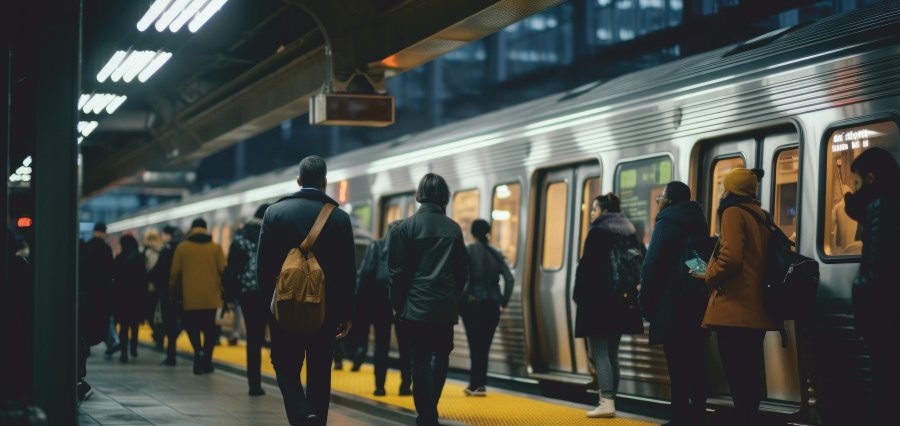
A new study from Osaka Metropolitan University shows that building new train stations does not always bring down healthcare costs. However, the right station in the right place can make a real difference.
Researcher Sayana Wakisaka and Junior Associate Professor Haruka Kato team up with Japan System Techniques Co., Ltd. to find out whether new stations help people stay healthier and spend less on medical care. The team looks at health insurance records of middle-aged adults living within 800 meters of four stations on the Osaka-Higashi Line, which opens its northern section in 2019. The study tracks spending for four years before and after the stations open.
Overall, the four stations together show no major drop in healthcare costs. But one station tells a very different story.
Shigino Station sees an estimated saving of around JPY 62,500, or about USD 562, per person over four years. The reason, researchers say, is that Shigino connects to two other rail lines, making it a busy transit hub. People living nearby tend to walk more and travel more often, which keeps them healthier and cuts their medical bills.
The other three stations do not share the same benefit, largely because they lack the same level of connectivity and foot traffic.
The study carries real weight for Japan, where a rapidly ageing population puts growing pressure on the healthcare system. The Japanese government already encourages people to live near public transport and walk more as part of its urban planning strategy.
Kato says the findings show that simply opening a station is not enough. Strong connections to other transit lines and a supportive local environment are what turn a new station into a genuine health asset.