

Patient-Centered Cancer Care
The cancer treatment process has seen tremendous progress within the last decade. From a generic process of treatment, now there is a personalized process that takes into account the individual medical condition, emotional state, and personal preferences of each and every patient. Thus, modern-day oncology is not only about clinical results but also about the quality of the process through which a patient passes from the moment of being diagnosed with cancer until he gets treated. This approach has led to the development of the patient-centered cancer care concept that is at the core of modern healthcare systems. The new approach is supported by the developments made within the advanced oncology practices.
A Holistic Approach to Cancer Treatment
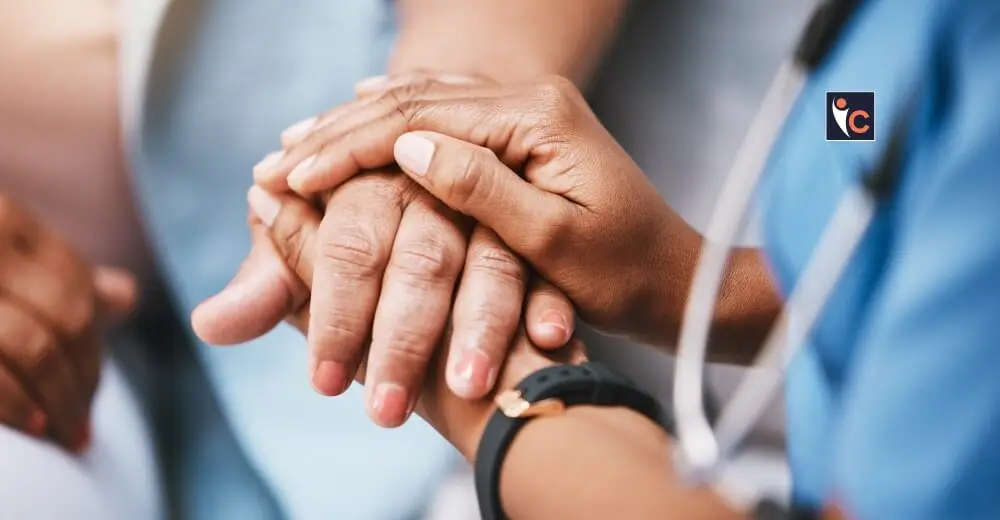
The modern health system acknowledges that an effective cure for cancer goes beyond getting rid of the disease. Counseling, educating patients on the disease, good nutrition, rehabilitation, and involving the patient’s family in treatment all help achieve better results. Patient-centered cancer care involves incorporating all these aspects throughout the entire process of treatment.
Healthcare facilities that adopt the patient-centered cancer care model ensure that patients and providers make decisions together concerning health issues. Information about the possible treatment, outcomes, and risks involved is made available to the patients, which makes it easy for patients to get involved in making decisions about their health.
This way, confidence among patients is enhanced and makes the patients more compliant in adhering to the treatment regimen.
The Evolution of Oncology Practice
Scientific discoveries go on changing the ways of detection and treatment of cancer disease. In advanced oncology practices, modern discoveries like molecular diagnostics, targeted treatment, less invasive techniques, imaging, and multidisciplinary treatment planning become a part of daily practice. All these achievements give an opportunity to make better treatment for patients without performing additional operations.
The effective advanced oncology practices imply cooperation between oncologists, surgeons, radiologists, pathologists, pharmacists, nurses, and other supporting clinicians. It gives each patient the opportunity to be treated using the knowledge and experience of all specialists. Technological progress allows doctors to get better diagnostic results and monitor the course of treatment.
Strengthening Communication and Collaboration
Trust is the cornerstone of productive healthcare interactions. Patient-centered cancer care promotes open communication among healthcare professionals, patients, and families by making sure that all the steps in the treatment process are done with mutual goals and informed decision-making. When a patient knows what he or she will go through during the course of his or her treatment, the patient stays more involved in the process.
Similarly, advanced oncology practices facilitate healthcare professionals’ collaboration through integrated clinical pathways, electronic health records, and coordinated care planning. Information exchange allows for efficient care delivery without delaying any treatments and allows for a smooth transition from diagnosis through treatment and rehabilitation. Collaboration in care also increases efficiency in healthcare resource use.
Improving Outcomes Through Innovation
The process of innovations is continuously changing cancer care through introducing new ways of treatment and increasing the effectiveness of care. The concept of patient-centered Cancer Care makes sure that such innovations are aimed at meeting the individual needs of patients and not just at using the innovations.
Advanced oncology practices introduce constant improvements into the practice through research, evidence-based practice, and lifelong education of health care practitioners. The healthcare practitioners evaluate new treatment methods and regimens to make sure their patients receive the best care possible.
By combining innovations and the principle of patient-centeredness, organizations can improve the results of care delivery and build a culture of healthcare.
The Future of Oncology Excellence
Cancer treatment will keep on developing owing to the ongoing scientific research, digital health innovations, and increasingly personalized approach in treatment. Health care organizations that will implement patient-centered cancer care will be able to establish an atmosphere of respect and informed participation from the side of the patient within the whole process of healthcare delivery. Increased patient engagement is known to increase patient satisfaction and promote treatment compliance and well-being.
In the same way, advanced oncology practices will be crucial due to the constant innovations in the area of diagnostic precision, artificial intelligence, genomic medicine, and multidisciplinary collaboration. Innovation will allow healthcare providers to give safer and more effective care to the patients.
Patient-centered cancer care and advanced oncology practices can be seen as a combined framework of what the future of oncology should look like. A combination of compassion and excellence in science will help to enhance patient experience, clinical outcome, and overall quality of cancer care.