


Interest in preventive health has shifted in recent years, and one of the clearest signs of that shift is the growing attention paid to cellular health supplements. Rather than waiting for a diagnosis or a specific symptom, more people are looking upstream, at the biological processes believed to drive aging itself, and asking what can be done to support those processes before problems appear. This shift reflects a broader move toward wellness framed around maintenance rather than treatment.
That growing interest has also brought a common question to the surface, what are the best supplements for cell regeneration, and whether the products marketed under the umbrella of cellular health supplements actually live up to that promise. The honest answer sits somewhere between genuine biological plausibility and marketing language that has outpaced the research supporting it.
Ingredients Behind Cellular Health
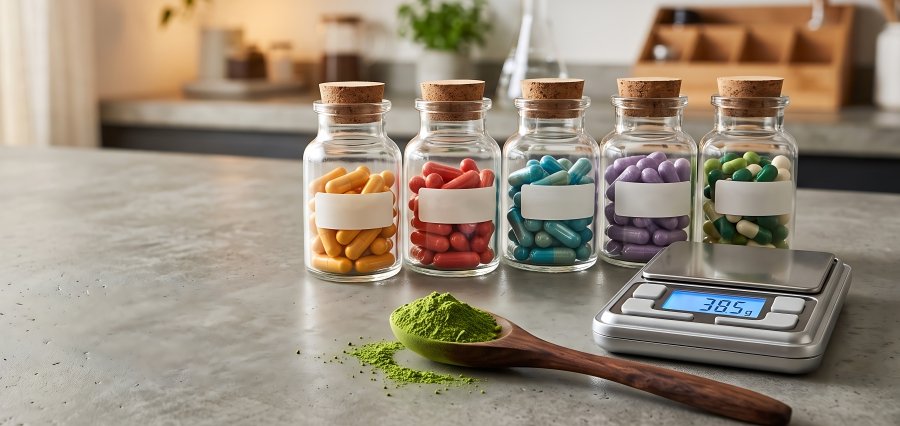
The term covers a fairly broad range of ingredients rather than a single product type. Antioxidants such as vitamin C, vitamin E, and coenzyme Q10 are among the most established, positioned around reducing oxidative stress caused by free radicals.
NAD+ precursors, including nicotinamide riboside and nicotinamide mononucleotide, target a coenzyme involved in cellular energy production that naturally declines with age. Mitochondrial support ingredients, such as Urolithin A, are aimed at the structures within cells responsible for generating energy. Together, these ingredient categories make up most of what falls under the cellular health supplements label on store shelves today.
The Science Behind Cell Repair
The appeal of this category rests on a fairly well accepted premise in aging research, that cellular function declines gradually over time, and that certain nutrients or compounds may support the processes involved in repair and energy production.
Researchers have documented age related decline in NAD+ levels, for instance, which has driven much of the consumer curiosity around supplements marketed as the best supplements for cell regeneration. The underlying biology is real. What remains less settled is whether oral supplementation delivers enough of these compounds, in a form the body can actually use, to produce a measurable effect in humans.
Understanding Consumer Demand
Most people asking about cellular health supplements are not looking for a cure, they are looking for reassurance that a daily habit is doing something useful. Search interest around the best supplements for cell regeneration tends to spike alongside broader conversations about longevity and healthy aging, often following media coverage of a new study or a public figure discussing their own supplement routine. This pattern says less about clinical evidence and more about how consumer attention in this space tends to move.
This does not make the interest misplaced, only worth separating from the actual science. Curiosity driven by a headline or a celebrity routine can still lead someone toward genuinely useful habits, even if the initial spark had little to do with peer reviewed research.
Science Behind Supplements
Regulatory bodies in the United States have been clear that dietary supplements, cellular health supplements included, cannot be marketed with claims that they treat, cure, or prevent disease. Human research on ingredients such as NMN and NR is still in its early phase, with encouraging results in cell and animal studies that have not yet held up consistently in large scale human trials. Anyone researching the best supplements for cell regeneration should view animal study findings as an early clue rather than confirmed proof of benefit in people.
Peer reviewed studies on NAD+ precursors have shown measurable increases in blood NAD+ levels among human participants, though a biomarker shift does not automatically mean a noticeable change in energy, cognition, or longevity. Sample sizes in most human trials remain small, often in the dozens rather than the thousands seen in drug trials, which limits how far results can be generalized. Funding is also worth noting, since some published research in this space has been sponsored directly by supplement manufacturers.
Choosing Cellular Health Supplements
Quality control varies considerably across this category, since supplements are not subject to the same premarket approval process as prescription medications. Independent third party testing, transparent labeling of dosage, and a manufacturer willing to disclose sourcing are reasonable starting points for evaluating any product. Anyone already managing a health condition or taking prescription medication should talk with a physician before adding cellular health supplements to a routine.
It also helps to look at how a product is dosed relative to the amounts actually used in published research, since many supplements include an ingredient at a fraction of the dose studied, which can limit any realistic benefit. Certifications from independent bodies such as NSF or USP offer a further layer of assurance, since they confirm a product contains what the label claims and is free of common contaminants.
Conclusion
Cellular health supplements sit at an intersection of legitimate biological research and consumer demand that has grown faster than the clinical evidence supporting it. The science behind aging, oxidative stress, and declining cellular energy production is well established, but the leap from that science to a bottle on a shelf is not always as direct as marketing suggests. For anyone weighing the best supplements for cell regeneration, the more useful approach is treating supplementation as one part of a broader routine, alongside sleep, diet, and movement, rather than a standalone solution, and checking in with a healthcare provider before making it part of a daily routine.
The evidence in this field is still developing, and ingredients seen as promising now could look different once larger human trials are complete. Consumers are better off staying skeptical of bold marketing claims and paying closer attention to the ingredients with the strongest research behind them. A conversation with a physician remains the safest first step, especially for anyone on medication or managing a health condition already.