
Healthcare in the United States is going through one of its biggest shifts in years. As the industry moves from fee-for-service care toward value-based models, providers are being asked to do more than treat illness. They are being asked to manage it, prevent it, and understand it within the full context of a patient’s life.
This shift is hardest to navigate for patients living with multiple chronic conditions. This group makes up a small share of the population but drives a large portion of national healthcare spending, and older models built around hospital visits and phone check-ins have struggled to keep up. Closing that gap has become one of the central challenges in healthcare today. In 2023 alone, 60% of U.S. hospitals faced financial penalties for excessive 30-day readmissions, underscoring just how costly this challenge has become for the healthcare system at large.
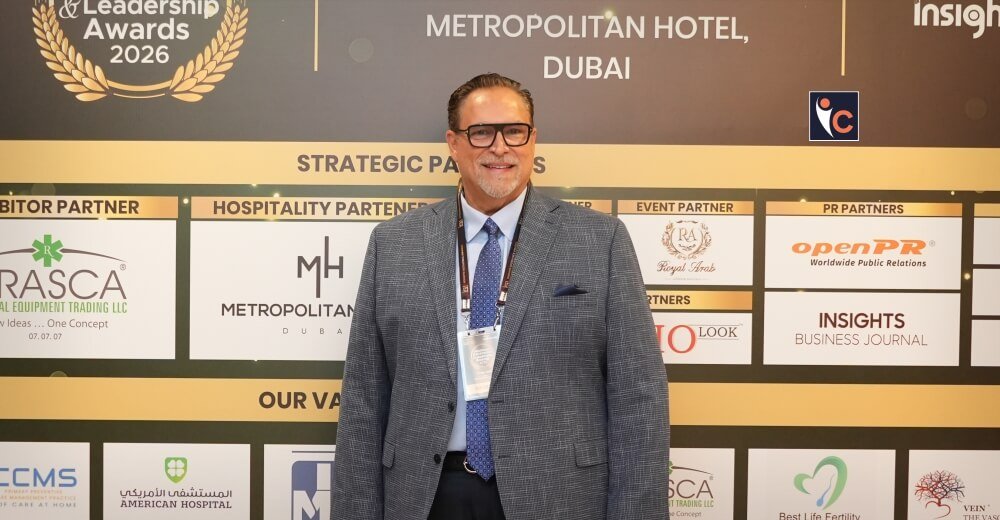
Complete Care Management Services (CCMS) was built around this exact problem. Instead of managing chronic illness from a distance, the company sends providers directly into patients’ homes, where they can observe conditions that phone calls and forms often miss. The company is led by Founder & CEO Mario Espino, whose background spans clinical care, insurance, home health, and government healthcare innovation, experience that has shaped CCMS since its earliest days.
His extensive experience has helped position CCMS as more than a care management provider. It has become an example of how home-based observation and thoughtful use of patient data can support earlier intervention, especially for patients who are often the hardest to reach.
Let’s explore how Complete Care Management Services (CCMS) is transforming chronic care through home-based care, meaningful patient data, and a focus on better outcomes!
Building a Career Beyond Traditional Boundaries
Few healthcare leaders have experienced the industry from as many perspectives as Mario. Beginning his career in healthcare in his early twenties, he chose not to remain within a single specialty. While many professionals build their careers within hospitals, insurance organizations, home health, pharmacy, or administration, he pursued a broader understanding of how every part of the healthcare system connects.
That diverse experience allowed him to understand medicine across multiple disciplines rather than through one narrow lens. It also gave him a unique appreciation of the operational challenges that exist alongside clinical care. Managing healthcare, he explains, requires much more than medical expertise. It demands the ability to bridge clinical excellence with the corporate structure necessary to build a sustainable organization.
Today, as he reflects on his journey, he remains both grateful and energized by what CCMS has accomplished.
“At 67 years old, I didn’t think I would be here at this time running one of the top 100 fastest-growing companies. And it seems like we’re just beginning,” he notes.
His optimism is grounded in more than four decades of experience, during which he worked with healthcare providers, government agencies, and organizations responsible for shaping the future of healthcare delivery.
Learning from Innovation and Best Practices
A defining chapter of Mario’s career came through his work with the Centers for Medicare & Medicaid Innovation (CMMI), where he spent more than twenty years immersed in healthcare innovation. His role centered on identifying best practices, approaches capable of delivering better patient care while reducing the overall cost of healthcare.
For him, best practices have never meant maintaining the status quo. They represent a continuous commitment to improvement.
“Best practice means that we’re not satisfied with where we’re at. We’re going to try to find bigger and better things.”
That philosophy encouraged him to study healthcare beyond individual organizations, learning from government initiatives as well as companies working alongside public healthcare systems. The experience provided a comprehensive understanding of where meaningful information exists, how healthcare decisions are made, and what it takes to improve outcomes without increasing unnecessary costs.
His exposure to innovation extended even further during the late 1990s when he worked alongside General Electric’s early Watson initiative. Long before artificial intelligence became a mainstream conversation, he was already exploring how advanced technologies could help organize healthcare information and support better decision-making. The experience reinforced a belief that technology should never replace clinical judgment but should instead strengthen it by helping clinicians access the right information at the right time.
Recognizing the Patients Others Overlooked
Years spent working within Medicare innovation programs revealed a challenge that would eventually shape the future of CCMS.
Mario observed that the patients requiring the most comprehensive care were often the ones healthcare organizations found the most difficult to manage. Under value-based reimbursement models, providers are expected to deliver high-quality care within fixed financial resources. Patients living with multiple chronic illnesses frequently require repeated hospitalizations, ongoing specialist care, medication management, and continuous monitoring, making them among the most resource-intensive individuals in the healthcare system.
Yet these patients represent only a small percentage of the Medicare population while accounting for a disproportionately large share of healthcare spending. According to Espino, approximately 5 to 7 percent of the patient population represents nearly 50 to 60 percent of total healthcare costs. Rather than viewing this as a financial burden, he saw it as healthcare’s greatest opportunity. If meaningful improvements could be achieved for this small but highly vulnerable population, the impact would extend far beyond individual patients. It would improve quality of life, reduce avoidable hospitalizations, and create a more sustainable healthcare system.
That realization became the foundation upon which CCMS was built.
The results back that vision. CCMS’s Hospital Readmission Reduction Program has held 30-day readmissions to 3.47% in 2024 and 4.04% in 2025, compared with a national Medicare average of 17%, nearly 76% lower than the benchmark. A separate outcomes review of 192 patients found that hospital admissions fell from 72% of observed utilization before enrollment in CCMS’s care management program to just 28% after, even though the population averaged more than six chronic conditions per patient. Within that same group, of the 74 patients enrolled in CCMS’s Hospital at Home care management program, 46 never returned to the hospital at all.
From Vision to CCMS
The creation of CCMS was closely connected to Mario’s involvement with CMMI and the government’s efforts to introduce innovative models of chronic care management. The opportunity appeared just as healthcare was preparing for significant change. However, the arrival of COVID-19 delayed those initiatives and brought enormous uncertainty across the industry.
Instead of waiting for circumstances to improve, he continued delivering care. Together with his wife, he invested millions of dollars to support patients despite having no reimbursement for the services being provided. Those years tested not only the business but also the family’s commitment to the mission.
Even during that uncertainty, he remained convinced that the model would eventually receive the recognition it deserved. His confidence stemmed from years of experience working with healthcare innovation programs and understanding where the industry was ultimately headed.
That opportunity finally arrived when Medicare administrators in Florida recognized the value of the care management model CCMS had been developing. Receiving approval to move forward marked an important turning point, validating years of perseverance and preparation.
Rather than seeing those challenging years as lost time, he views them as the period during which the company was truly built. Without the resources to expand rapidly, he concentrated on designing policies, refining operational processes, building multidisciplinary teams, and preparing an organizational structure capable of supporting long-term growth.
Today, many of those original plans continue to guide the company’s expansion almost exactly as he envisioned several years ago.
Creating Care That Is Meaningful and Actionable
As CCMS evolved, one principle consistently shaped the company’s approach to patient care: information must lead to action.
Healthcare organizations collect enormous amounts of data every day, but Mario believes information has little value if it simply satisfies documentation requirements. Every interaction should contribute to a better understanding of the patient’s condition and support more informed clinical decisions.
He notes that, “You’re not collecting information to fill in a check mark. You’re collecting information, you’re doing something with it, and it means something.”
That philosophy distinguishes CCMS from many traditional care management models. While many organizations rely primarily on large call centers where nurses contact patients by telephone, Mario believes meaningful care cannot be delivered from a distance alone. Patients living with multiple chronic conditions may have dementia, anxiety, memory challenges, or age-related limitations that make it difficult to accurately communicate what is happening. “If you are in the home, that is where you make the difference,” he emphasizes.
CCMS places providers in the patient’s home, where they can observe the environment firsthand, identify risks that might otherwise go unnoticed, and gather meaningful, actionable information that supports better clinical decisions.
For individuals living with multiple chronic diseases, the home environment often reveals challenges that cannot be identified through questionnaires or phone calls alone. Nutrition, hydration, medication adherence, transportation, social isolation, cognitive decline, and even the condition of the living environment all influence a patient’s ability to manage chronic illness successfully.
By understanding these factors firsthand, CCMS is able to identify obstacles before they become medical emergencies and coordinate interventions that help patients remain healthier for longer.
For him, effective healthcare extends well beyond treating disease. It requires understanding the circumstances surrounding each patient and building a comprehensive support structure capable of improving both health outcomes and quality of life. That patient-centered philosophy continues to define CCMS’s work and serves as the foundation for the company’s ongoing innovation, technological advancement, and long-term vision for the future of healthcare.
Advancing Care Through Innovation and Artificial Intelligence
Innovation has always been central to CCMS’s growth, but for Mario, technology is valuable only when it strengthens clinical decision-making and improves patient outcomes. Having worked with artificial intelligence long before it became a mainstream healthcare topic, he sees today’s advancements as an opportunity to enhance, not replace, the expertise of healthcare professionals.
CCMS is developing solutions that combine the meaningful and actionable information collected during home visits with both closed and open AI models. The objective is to organize clinical data in a way that supports physicians by reviewing medications, vital signs, patient responses, chronic conditions, and other clinical indicators to generate comprehensive progress notes. Those notes can then be compared with previous patient records to determine whether an individual is stable, beginning to decline, or recovering toward a more stable condition.
Rather than focusing solely on documenting care, the company is building systems that recognize patterns over time, allowing providers to intervene earlier and more effectively.
Looking ahead, CCMS is developing a portfolio of innovations that reflect years of clinical experience combined with emerging technologies. He explains that the company currently has numerous patents in development, all intended to become practical tools that support healthcare providers around the world.
One of the most ambitious goals is using the knowledge gained from older patient populations to identify health risks much earlier in life. By recognizing disease patterns before they become severe, preventive interventions can begin sooner, improving long-term health outcomes while reducing unnecessary healthcare costs.
For him, the purpose of innovation remains deeply connected to patient care. Technology should ultimately help people live healthier lives by identifying problems before they become crises.
Looking Beyond Symptoms to Understand the Whole Patient
The foundation of CCMS’s care model extends well beyond managing medical conditions. Through years of providing care inside patients’ homes, the organization has learned that chronic disease is rarely influenced by medical factors alone.
Patients may struggle because they forget to take medications, fail to drink enough water, experience social isolation, lack transportation, or live in environments that make recovery difficult. Addressing those realities requires providers to understand every aspect of a patient’s daily life rather than relying exclusively on clinical measurements.
This comprehensive approach has enabled CCMS to focus on preventing avoidable hospital readmissions while helping patients maintain their independence. At the heart of the company’s philosophy is a commitment to helping people remain where they are most comfortable.
That focus on keeping patients out of the hospital carries a financial weight as well. CCMS’s Hospital at Home Care Management Program has driven a 44% reduction in hospital admissions, saving one health plan partner more than $68 million across a sample population of 10,000 members, evidence that home-based, preventive care can protect both patient wellbeing and healthcare budgets at scale. That kind of intervention matters industry-wide: nationally, about 1 in 4 Medicare patients discharged to a skilled nursing facility are readmitted within 30 days, a pattern that costs the system billions of dollars each year.
As Mario explains, “Our mission is to have our patients have a quality of life and be able to age in place.” Rather than moving into institutional care, CCMS works to provide the clinical support and care coordination that enable patients to continue living safely in their own homes whenever possible.
He explains that the goal is straightforward: if people become ill, they should be able to manage their conditions at home whenever appropriate and preserve the quality of life that comes from remaining in familiar surroundings. That philosophy reflects not only professional experience but also personal understanding gained through caring for members of his own family.
Building on that mission, CCMS continues to expand the clinical tools available to its multidisciplinary teams. Advanced cardiovascular assessments, ophthalmology screening, retinal imaging, and other diagnostic technologies are integrated into the company’s care management model to identify health risks that might otherwise remain unnoticed.
For example, retinal imaging can reveal much more than vision problems. Changes within the eye may indicate cardiovascular disease, while diabetic complications affecting the macula can be identified before significant vision loss occurs. By incorporating these assessments into routine care management, CCMS seeks to prevent complications rather than simply responding after they occur.
Each innovation reflects the same guiding principle that has shaped the organization from the beginning: understanding the complete patient leads to better healthcare decisions.
Building a Culture Around Purpose
Managing some of healthcare’s most medically complex patients requires more than advanced technology. It requires a culture built on commitment, collaboration, and responsibility.
Mario often describes the work of CCMS as both clinically demanding and operationally complex. Success depends on bringing together physicians, nurses, specialists, care managers, and administrative professionals within a structure that enables every team member to contribute effectively.
Throughout the company’s growth, he has focused on developing policies, processes, and multidisciplinary teams capable of supporting consistent, high-quality care. Those systems were carefully designed during the organization’s earliest years and continue to guide its expansion today.
Behind every innovation is a shared commitment to serving patients who have historically been underserved. That sense of purpose has helped shape a culture where clinical excellence and compassion work together, ensuring that every decision remains focused on improving patients’ lives.
Supporting the Global Shift Toward Value-Based Healthcare
As healthcare systems around the world embrace value-based medicine, Mario believes the experience gained through CCMS can benefit countries facing many of the same challenges currently transforming healthcare in the United States.
He sees particular opportunity in the United Arab Emirates, where healthcare reforms continue to emphasize quality, accountability, and improved patient outcomes. With the country’s movement toward Diagnosis-Related Groups (DRGs) and value-based medicine, he believes the timing aligns closely with the expertise CCMS has developed over many years.
Having participated in similar transitions through Medicare innovation programs in the United States, he believes the lessons learned can help accelerate implementation while avoiding many of the challenges encountered elsewhere.
According to him, introducing comprehensive care management supported by meaningful data, home-based care, and proactive intervention has the potential to generate substantial savings while improving the overall quality of healthcare delivery.
He believes those improvements can be realized quickly because many of the frameworks have already been tested, refined, and implemented through years of practical experience.
Rather than viewing international expansion simply as business growth, Mario sees it as an opportunity to share a model that has consistently demonstrated its value in improving care for patients with complex chronic conditions.
A Vision That Continues to Evolve
Although CCMS has experienced remarkable growth, Mario views the company as still being in the early stages of its journey.
The organization continues to refine predictive algorithms, expand its artificial intelligence capabilities, strengthen multidisciplinary care teams, and develop technologies designed to recognize clinical decline before it results in hospitalization. Every advancement supports the same long-term objective: helping providers intervene earlier, improve quality of life, and reduce unnecessary healthcare utilization.
For him, innovation is never an endpoint. It is an ongoing responsibility to continue learning, improving, and finding better ways to care for patients whose needs have often been overlooked.
Leading with Purpose, Leaving a Lasting Impact
Mario’s leadership reflects decades of experience shaped by innovation, perseverance, and an unwavering commitment to improving healthcare for those who need it most. From his early work across multiple sectors of healthcare to his involvement with government innovation initiatives and the development of CCMS, his journey has consistently been guided by the belief that better healthcare begins with understanding the whole patient.
That philosophy continues to shape CCMS as it expands its home-based care model, advances predictive artificial intelligence, and explores opportunities to bring its value-based approach to new regions around the world. By combining compassionate clinical care with meaningful data and early intervention, the organization continues to redefine what proactive healthcare can achieve.
As healthcare continues its transition toward value-based care, CCMS is demonstrating that meaningful innovation is not simply about adopting new technology. It is about combining knowledge, compassion, and actionable information to help patients live healthier lives, remain independent for longer, and receive the quality of care they deserve.