
Mental healthcare is increasingly moving toward a deeper understanding of how the brain, emotions, cognition, behavior, and individual experiences interact. As neuroscience continues to develop, technologies such as neuromodulation are creating new possibilities for understanding and supporting patients, while also placing greater importance on careful assessment, clinical judgement and personalized care.
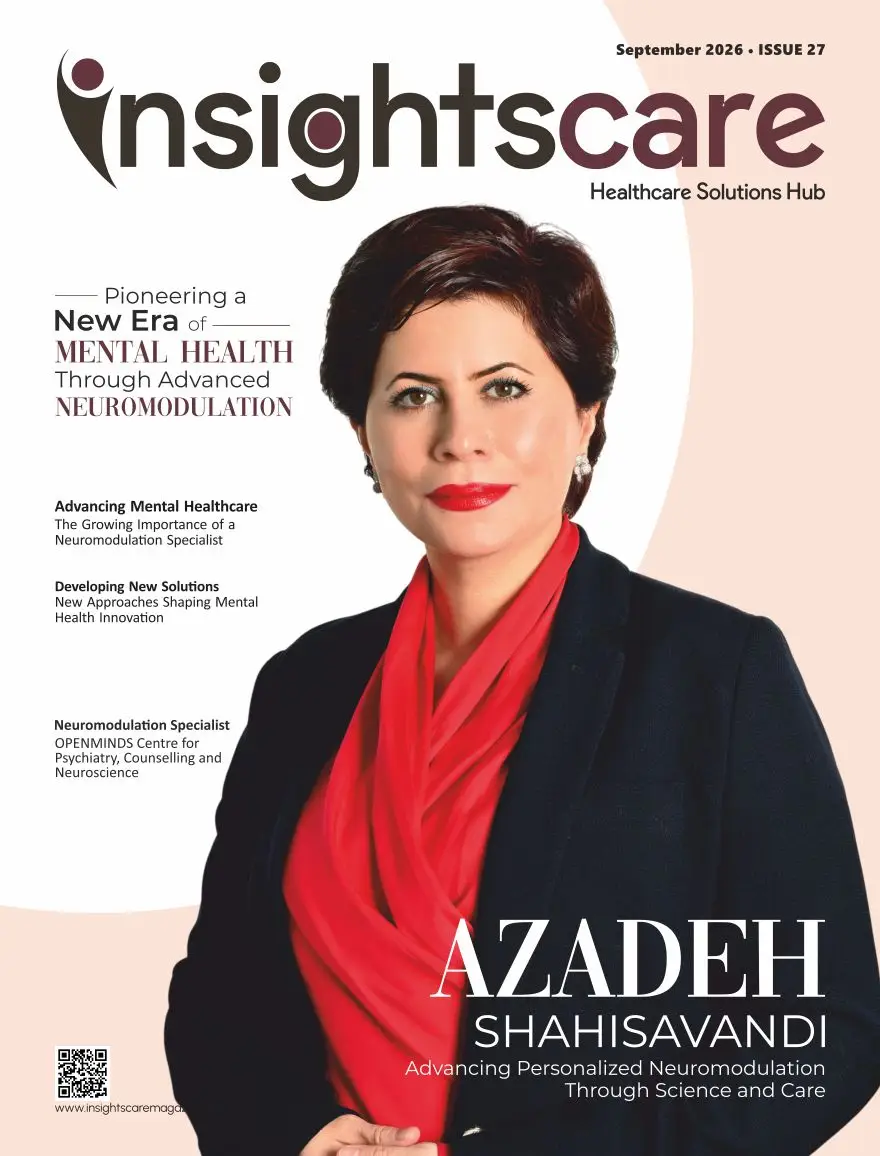
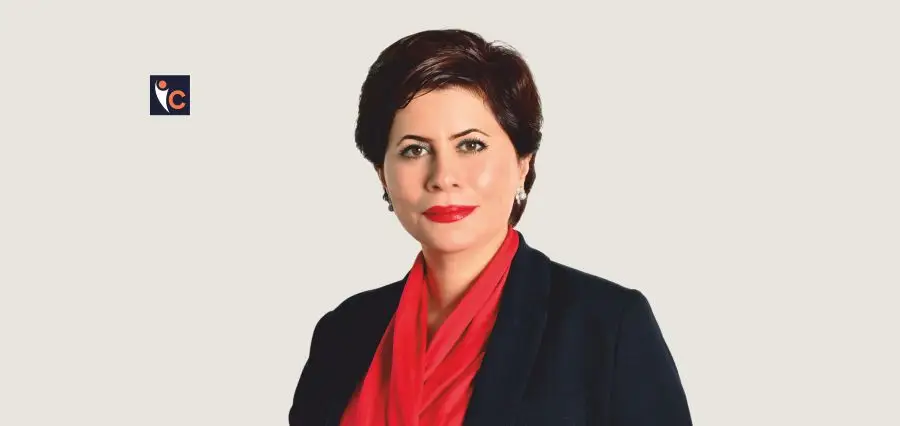
At this intersection of clinical psychology and neuroscience is Azadeh Shahisavandi, Neuromodulation Specialist at OPENMINDS Centre for Psychiatry, Counselling and Neuroscience. With more than a decade of clinical experience with transcranial magnetic stimulation (TMS), she has developed her work around a central question: how can our understanding of brain function be translated into more personalized mental healthcare?
Currently pursuing postgraduate study in Applied Neuroscience at King’s College London, she brings together clinical experience, neuroscience education, psychological understanding, and multidisciplinary practice. Her approach reflects a belief that technology should increase our understanding of the patient, not distance us from the person receiving care.
Let’s explore how Azadeh is bringing together neuroscience, clinical psychology and personalized care in modern mental healthcare!
The Art and Science of Personalized Neuromodulation
For Azadeh, neuromodulation represents the point where clinical psychology and neuroscience come together. Clinical psychology helps us understand the person, their emotions, cognition, behavior, experiences, and symptoms, while neuroscience helps us understand the biological systems behind those experiences: the brain, its neurophysiology, neural circuits, and interconnected networks.
After more than a decade of clinical experience with TMS, she describes personalized neuromodulation as both a science and an art. The science comes from neuroanatomy, neurophysiology, clinical evidence, and established treatment protocols. The art lies in integrating that knowledge with the individual patient’s clinical presentation and translating it responsibly into a treatment plan.
This perspective shapes the way she approaches every patient. Rather than allowing technology to become the starting point, she places the person at the centre of the process. As she puts it, “We are not treating a brain map. We are treating a person, and the brain map is one part of understanding that person.”
Understanding the Brain Before Stimulating It
Transcranial magnetic stimulation is a non-invasive neuromodulation technique that uses magnetic pulses to influence electrical activity in targeted areas of the cerebral cortex. Through repeated stimulation, TMS can influence cortical excitability and interconnected neural circuits involved in functions such as mood, cognition, and behavioral regulation.
The brain, however, does not operate as a collection of isolated regions. It functions through complex neural networks, and this network-based understanding is fundamental to Azadeh’s approach.
For her, TMS treatment therefore begins before the first magnetic pulse. It begins with understanding the patient.
The assessment considers the reason for referral, predominant symptoms, their severity and duration, psychiatric and medical history, current and previous medications, previous treatment response, psychological and psychometric assessment, treatment goals, and relevant safety factors.
Where clinically appropriate, quantitative electroencephalography (QEEG) can provide another layer of information. QEEG is a non-invasive method of recording and quantitatively analyzing the brain’s electrical activity. Signals recorded from the scalp can provide additional neurophysiological information about patterns of brain-wave activity.
Azadeh does not regard QEEG as a stand-alone psychiatric diagnostic tool or as something that independently determines a TMS protocol. Instead, she considers its findings alongside the clinical interview, symptoms, psychological assessment, and established evidence.
Different stimulation approaches can have different effects on cortical excitability. Depending on the clinical indication, neural target, and stimulation parameters, an evidence-based protocol may be selected with an excitatory or inhibitory therapeutic intention.
The treatment plan therefore emerges from integration rather than one single measurement: clinical presentation, treatment history, psychometric assessment, neurophysiological information where relevant, established protocols, safety considerations, and continuous monitoring of the patient’s response.
More Than a Decade in Neuromodulation
Azadeh began her clinical journey with TMS in Dubai in 2013, receiving training associated with MagVenture technology when neuromodulation was still an emerging area of practice in the region.
Since then, she has contributed to the treatment of more than 500 psychiatric cases referred by psychiatrists, including patients with depressive disorders and obsessive-compulsive disorder, as well as other psychiatric presentations for which neuromodulation was clinically considered.
Her professional development continued through workshops, conferences, and specialized education in brain stimulation. This included training associated with the Brain Stimulation Academy, Maastricht University in the Netherlands, and Professor Alexander Sack, followed by continued neuromodulation education internationally and within the UAE.
She is a member of the British Neuroscience Association and the Brain Stimulation Academy. Her postgraduate studies at King’s College London have also allowed her to connect years of clinical experience with a deeper academic understanding of neuroscience.
For her, this combination of practical experience and continued learning remains important as neuromodulation continues to develop. More than simply accumulating years in the field, her journey has involved continually expanding her understanding of the brain, clinical practice, and the questions that still need to be explored.
Neuroinflammation, Depression, and a Research Mindset
One area that has become particularly important to Azadeh is the relationship between neuroinflammation, depression, and response to treatment.
During her neuroscience studies, she became increasingly interested in whether biological markers such as C-reactive protein (CRP), combined with psychometric measures and neurophysiological assessment, might contribute to a better understanding of individual differences among patients with depression.
Her clinical and academic observations have encouraged her to explore how depressive and anxiety symptoms, inflammatory status, QEEG findings, and treatment response may relate to one another, including changes observed during courses of TMS alongside prescribed psychiatric treatment.
For Azadeh, the value of this work lies not in assuming that a single biomarker can determine treatment, but in developing better research questions.
Why do patients with similar diagnoses respond differently? Can biological and neurophysiological information help us characterize those differences? And can future research bring mental healthcare closer to genuinely individualized treatment?
These questions continue to shape her academic interests and future research direction. Her approach remains rooted in curiosity, while recognising the importance of evidence, clinical assessment, and responsible interpretation.
Leading Neuromodulation at OPENMINDS
Today, Azadeh leads neuromodulation services at OPENMINDS Centre for Psychiatry, Counselling and Neuroscience.
Her responsibilities include patient screening and assessment, psychometric evaluation, TMS treatment planning and delivery, QEEG-related assessment, neurofeedback, monitoring of treatment response, patient education, clinical documentation, and coordination with the multidisciplinary team.
Some patients referred for neuromodulation have experienced insufficient improvement with previous conventional treatments. Others require neuromodulation as one component of a broader psychiatric or psychological treatment plan.
She also believes that the treatment chair should not be a passive experience. The clinical encounter provides an opportunity for appropriate psychoeducation and cognitive-behavioral support, helping patients better understand their symptoms, observe changes in their emotional and cognitive functioning, and participate actively in their recovery.
This reflects her wider view of technology and clinical care. In her view, “Technology should increase our understanding of the patient, not distance us from the person receiving care.”
The role therefore extends beyond operating technology. It involves understanding the individual, communicating clearly, monitoring response, working with other professionals, and ensuring that neuromodulation remains part of an appropriate clinical plan.
From Mental Health to Neurorehabilitation
In 2021, Azadeh’s neuromodulation experience expanded into neurorehabilitation when she became involved in the multidisciplinary care of a patient with severe acquired brain injury and impaired consciousness.
Within a structured rehabilitation program, she worked alongside physiotherapists, occupational therapists, speech therapists, and other healthcare professionals, with nervous-system and peripheral stimulation incorporated into the wider rehabilitation approach.
During the course of rehabilitation, changes in responsiveness were observed, including responses to sensory stimuli such as pain and temperature.
The experience expanded her perspective beyond psychiatric neuromodulation. It demonstrated how different healthcare disciplines can approach different aspects of the same nervous system and reinforced her belief that complex neurological and psychiatric conditions require coordinated multidisciplinary thinking.
Navigating an Emerging Specialty
Working at the intersection of several disciplines also presents challenges.
A neuromodulation specialist may observe changes that have implications for other aspects of a patient’s treatment while still needing to respect clearly defined professional boundaries. For example, improvement during TMS may prompt discussion about reviewing medication, but prescribing, tapering, or discontinuing medication remains the responsibility of the prescribing physician.
For Azadeh, “Knowing the limits of one’s professional authority is part of good clinical decision-making.”
A broader challenge is that neuromodulation remains a relatively young specialty in the UAE. Technology and clinical applications have developed rapidly, while dedicated professional competencies, regulatory privileges, and career pathways continue to evolve.
Rather than seeing this only as an obstacle, she views it as an opportunity to contribute to the future development of the field.
Her experience across clinical psychology, neuroscience, neuromodulation, and multidisciplinary healthcare gives her a perspective that allows her to see both the possibilities and responsibilities that come with the specialty’s development.
Leadership Shaped by Multidisciplinary Experience
Azadeh’s leadership philosophy has developed through a broad healthcare and academic journey.
Her earlier university education and frontline clinical experience provided a foundation in medical sciences, physiology, bedside care, and emergency practice. She later pursued Clinical Psychology, strengthening her understanding of cognition, emotion, and behavior.
After moving to the United Arab Emirates in 2007, her professional direction increasingly centered on mental health and multidisciplinary clinical practice. Further development through Accreditation Canada, including leadership, quality, and patient-safety education, strengthened her understanding of clinical governance, accountability, and team-based care.
These experiences shaped the leadership principles she follows today: patient safety, empathy, integrity, scientific curiosity, clinical creativity, accountability, and respect for multidisciplinary expertise.
She believes “Leadership does not mean having every answer. It means knowing when to make a decision, when to seek another professional’s expertise, and how to keep the patient’s interests at the center of both.”
Her clinical philosophy shapes her leadership: she values her own expertise while respecting others, always keeping the patient’s interests at the center.
Achievement as a Journey
Azadeh’s understanding of professional achievement has also changed throughout her career.
She received professional appreciation during her earlier clinical practice, including recognition for the quality of her work in emergency care and patient-safety activities. Yet the achievements she values most are those built through sustained responsibility.
These include more than a decade dedicated to TMS, involvement in more than 500 psychiatric cases, expansion into complex neurorehabilitation, continuous international training, postgraduate neuroscience education, and the opportunity to lead neuromodulation services and contribute to the education of patients and colleagues.
For her, being among the early professionals developing sustained experience with TMS in Dubai carries both pride and responsibility. Being early matters less than what you build from the opportunity.
That perspective reflects the broader direction of her career. Professional development has not been a single achievement but a continuous process of learning, clinical experience, academic study, and expanding responsibility.
The Person Behind the Professional
Maintaining an evolving clinical and academic career while being a mother, clinician, leader, and postgraduate student has required discipline, resilience, and careful prioritization.
Azadeh does not define balance as dividing every day equally between work and personal life. Instead, she believes in recognising what requires attention at a particular moment while protecting meaningful family time and maintaining the relationships that give professional achievement its deeper purpose.
Consistency and empathy, the qualities she values in clinical care, are equally important in her personal life.
For her, maintaining perspective means understanding that professional achievement exists alongside the relationships and responsibilities that give life meaning. Balancing these different roles requires attention, discipline, and the ability to recognise what matters most at different moments.
Understand the Patient Before the Technology
Azadeh’s advice to professionals interested in neuromodulation is straightforward:
“Understand the patient before becoming fascinated by the technology.”
Future professionals need foundations in neuroanatomy, neurophysiology, psychology, clinical assessment, research methodology, and patient safety. They should understand the evidence behind a protocol, recognise professional boundaries, and learn to communicate effectively across disciplines.
Knowing how to operate a neuromodulation device is only the beginning. The greater responsibility is understanding why, when, and for whom an intervention may be appropriate.
This is particularly important in a field where technological development can naturally attract attention. For her, however, the technology must always remain connected to clinical understanding.
Behind every QEEG pattern, psychometric score, and stimulation parameter is a human being seeking help.
Building the Future of Neuromodulation
Azadeh’s long-term ambition is to contribute to establishing a dedicated neuromodulation education and training institute in Dubai.
She envisions a multidisciplinary environment in which psychiatrists, neurologists, neurosurgeons, neuroscientists, neuropsychologists, psychologists, general practitioners, rehabilitation specialists, physiotherapists, occupational therapists, and other healthcare professionals can learn together about the science, safety, evidence, and clinical applications of neuromodulation across the central and peripheral nervous systems.
She also hopes to contribute to dialogue with healthcare leaders and relevant authorities regarding clearer competency standards, educational pathways, and professional recognition for neuromodulation expertise as the field continues to develop in the UAE.
Ultimately, however, her ambition is larger than establishing a title or institution.
She hopes to contribute to a future in which mental healthcare becomes increasingly personalized, measurable, multidisciplinary, and scientifically informed, where clinical psychology helps us understand the person, neuroscience helps us understand the networks, and neuromodulation provides another evidence-based way of influencing those networks when clinically appropriate.
For her, this is where the art and science of neuromodulation truly meet: not in the technology itself, but in the ability to bring science, assessment, clinical judgment, creativity, and human understanding together for the individual patient.
Her journey, from frontline clinical experience and TMS practice to postgraduate neuroscience study, multidisciplinary care, research interests, and leadership at OPENMINDS, continues to be shaped by the same principle: understand the person first, use science responsibly, and allow technology to support rather than replace clinical understanding.
As neuromodulation continues to develop, her vision is to help build a field that is not only technologically capable but also clinically responsible, collaborative, and deeply centred on the people it exists to serve.