
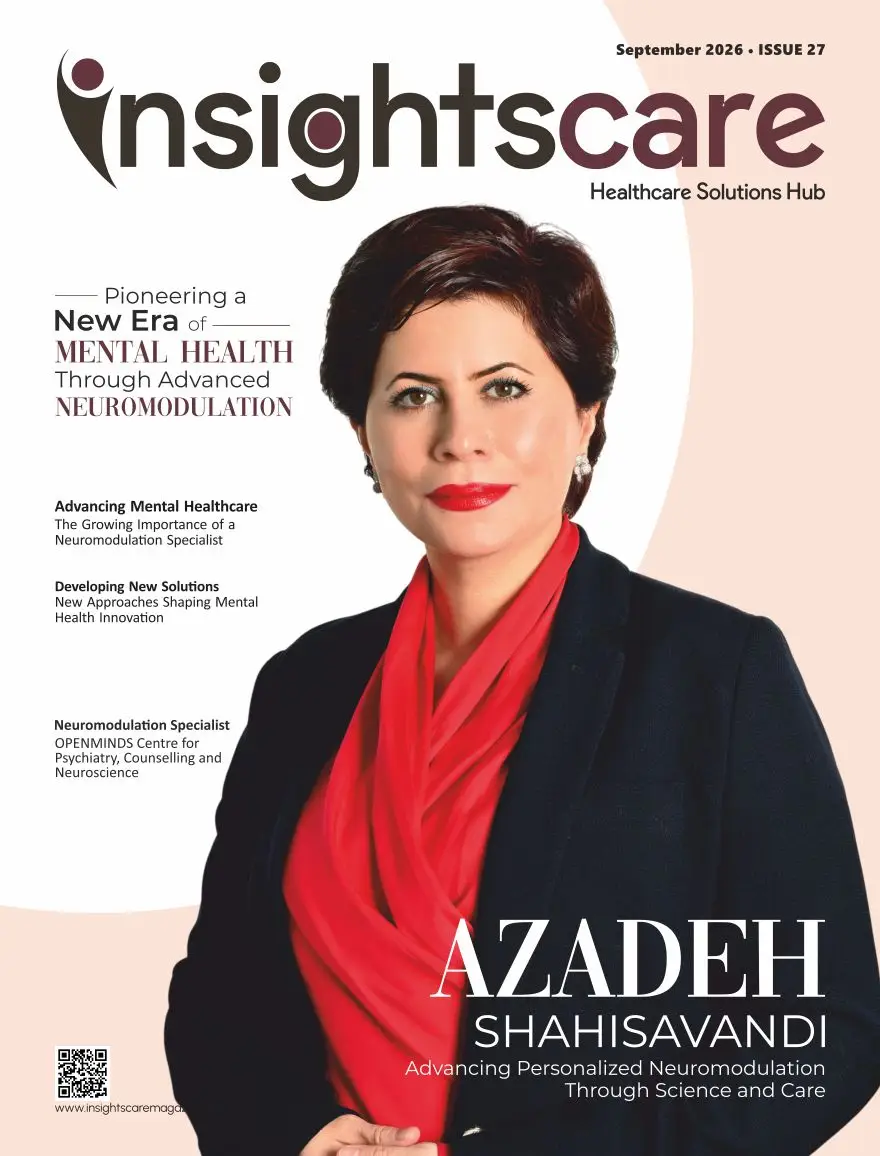



Advancing Mental Healthcare
Mental health conditions affect enormous numbers of people, and for many of them, the treatments most commonly offered, medication and psychotherapy, provide meaningful relief. But a significant proportion of people living with serious mental health conditions do not achieve adequate improvement through these conventional approaches alone. They try multiple medications, engage sincerely with therapy, and still find themselves living with depression, anxiety, or other conditions that remain substantially disabling despite their best efforts and those of their treatment providers. It is for this population, and for others whose conditions require a different kind of clinical intervention, that the work of a neuromodulation specialist has become increasingly important and increasingly recognized within modern mental healthcare.
Understanding the Role of a Neuromodulation Specialist
A neuromodulation specialist is a clinician with specific training and expertise in the use of techniques that modulate, alter, stimulate, or regulate neural activity in the brain as a therapeutic intervention. Rather than using medication to change brain chemistry systemically, neuromodulation approaches target specific brain circuits or regions with focused interventions that can change how those circuits function in ways that produce meaningful clinical benefit.
The range of techniques that fall within this specialty is broader than most people outside the field appreciate. Transcranial magnetic stimulation, using focused magnetic pulses to target specific brain regions, is the most widely used of these. Electroconvulsive therapy has a far better evidence base and tolerability profile than its reputation suggests, making it valuable for severe, treatment-resistant cases. Deep brain stimulation is the most invasive option, using surgically implanted electrodes for precise stimulation when other treatments have failed. A neuromodulation specialist brings expertise across this range, selecting the approach most appropriate for each patient’s specific condition and clinical history.
Why Neuromodulation Is Gaining Importance
Mental healthcare is confronting a growing recognition that the conventional treatment toolkit, primarily medication and psychotherapy, is insufficient for a meaningful portion of the people seeking help. Treatment-resistant depression, which affects patients whose condition has not improved despite adequate trials of multiple antidepressant medications, represents one of the clearest examples of a clinical need that neuromodulation approaches are increasingly positioned to address.
The growing evidence base for neuromodulation techniques, combined with improvements in the precision and tolerability of the interventions themselves, has elevated the neuromodulation specialist from a niche subspecialty to a more central figure in the treatment of serious mental health conditions. As awareness among patients and referring clinicians grows, and as access to these treatments expands, the demand for clinicians with genuine expertise in this area is increasing in step.
Providing Ongoing Clinical Care
Neuromodulation specialist care is not a one-time intervention; it is a clinical partnership that extends through the treatment process and often beyond it. Most neuromodulation treatments are delivered over a series of sessions, and the response to treatment needs to be monitored closely so that the approach can be adjusted if needed and so that any side effects or concerns are addressed promptly.
After the initial treatment course, ongoing follow-up determines whether maintenance treatment is needed, how the patient’s response is being sustained over time, and whether additional or different interventions are warranted. This longitudinal relationship between specialist and patient is one of the more important dimensions of how effective neuromodulation care works in practice.
Coordinating With the Mental Health Care Team
A neuromodulation specialist does not work in isolation from the broader mental health team involved in a patient’s care. Neuromodulation treatment is almost always part of a larger care plan that includes psychiatric management, psychotherapy, and often the involvement of primary care and other specialists depending on the patient’s overall health. Communication and coordination between the neuromodulation specialist and the rest of the care team is essential for ensuring that neuromodulation treatment is integrated coherently with everything else the patient is receiving.
This collaborative approach reflects the reality that serious mental health conditions are rarely addressed optimally through any single treatment modality, and that the best outcomes tend to come from care teams that communicate well and plan treatment in an integrated way.
Looking Ahead
The field of neuromodulation is advancing at a meaningful pace. Research is producing refinements in how existing techniques are delivered that improve both their effectiveness and their tolerability. New stimulation protocols are being developed and tested. And the understanding of which patients are most likely to respond to specific approaches is becoming more sophisticated as the evidence base grows.
A neuromodulation specialist working today is part of a field that is actively expanding what it can offer patients, and the advances being made in research settings are translating into clinical improvements in ways that will continue to change what is available to the people who need these treatments most.