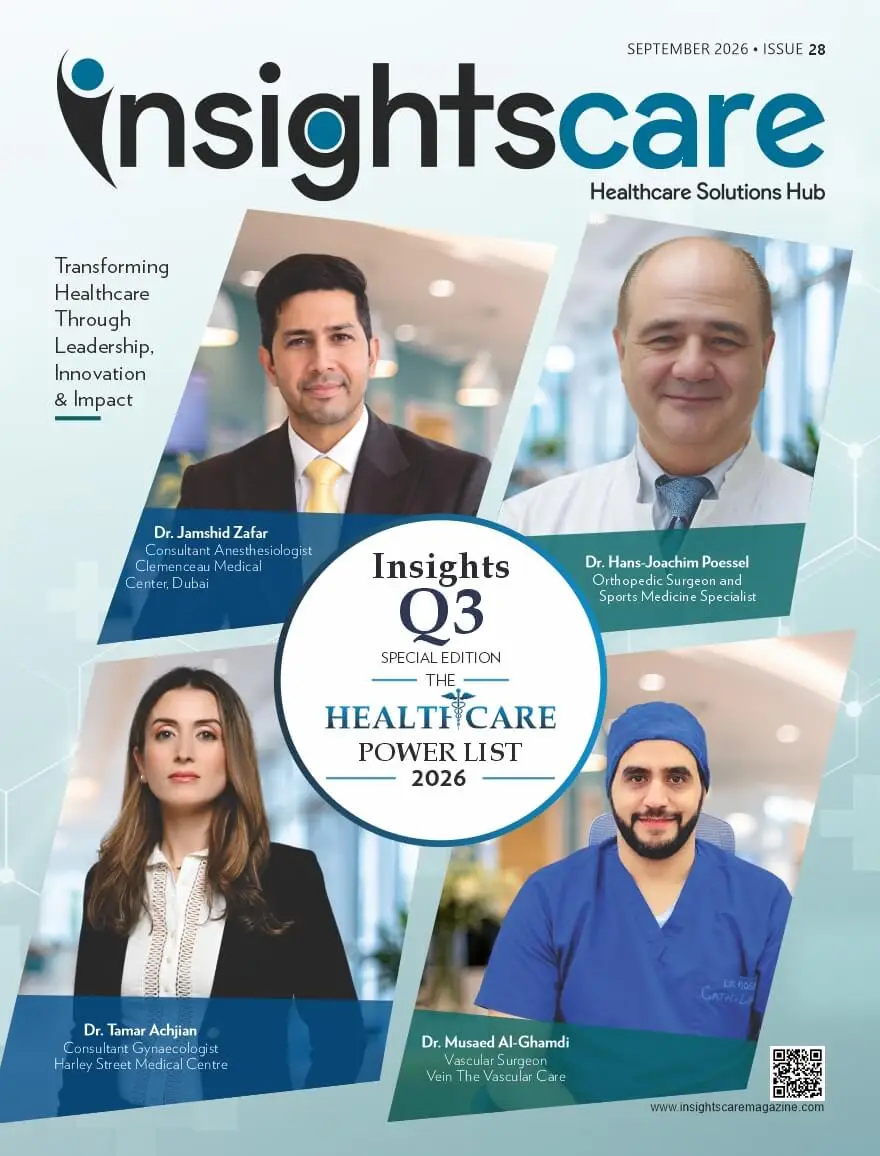
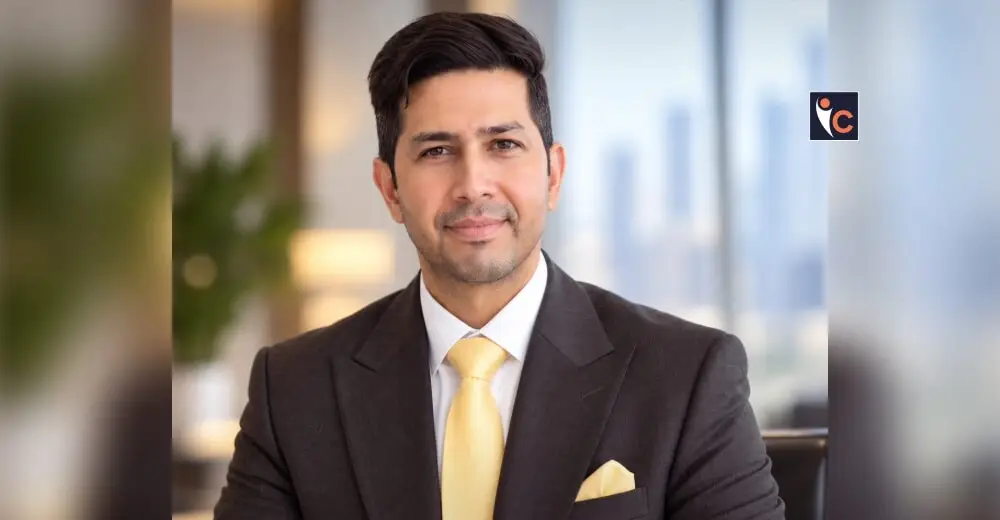
A career in anesthesiology is built not only on clinical expertise but also on experience, continuous learning, and the ability to remain composed when every decision matters. For Dr. Jamshid Zafar, his journey in anesthesiology has been shaped by two decades of clinical experience, academic exposure, professional growth, and an enduring commitment to excellence in patient care. It began in 2006 in New Delhi, at the renowned Escorts Heart Institute, where he embarked on his career as a Cardiac Anesthesiologist. Managing complex cardiac patients and working alongside experienced multidisciplinary teams established a strong foundation in precision, vigilance, clinical judgment, and the ability to remain composed when the margin for error is exceptionally small.
From there, he moved into the demanding environment of University College of Medical Sciences and its associated teaching hospital in New Delhi. The sheer volume and diversity of patients there provided extensive exposure to a wide spectrum of anesthetic challenges, while working within a medical college kept him closely connected to academic medicine, postgraduate teaching, resident training, and continuous learning.
His career then took him to Dubai, where he joined the coveted Rashid Hospital, one of the city’s premier tertiary-care institutions. What followed were 14 defining years of his professional journey. Rashid Hospital became the place where experience evolved into maturity and responsibility. Working there brought exposure to complex cases, critically ill patients, emergencies, trauma, and increasingly challenging perioperative situations. It was here that he contributed through departmental activities, education, teamwork, quality improvement, resident training, teaching, mentorship, and the broader responsibilities that come with seniority. It was during this period that much of his professional identity was forged and many of the achievements that he values the most were accomplished.
In 2023, he entered the next chapter of his career by joining Clemenceau Medical Center Hospital, Dubai, as a Consultant Anesthesiologist. This role represents both a culmination of the experience accumulated over the preceding years and an opportunity to bring that experience into a contemporary, patient-focused healthcare environment.
Looking back, the progression has been both diverse and deeply rewarding. Each institution has added a different dimension to his practice. Together, they have shaped the anesthesiologist he is today, clinically experienced, academically grounded, accustomed to complexity, and committed to delivering safe, thoughtful, and patient-centered perioperative care.
Let’s delve into the interview details below!
What does your current role involve, and how do you contribute to advancing patient care and clinical excellence within your organization?
As a Senior Consultant Anesthesiologist at Clemenceau Medical Center Hospital, my current role encompasses the safe and comprehensive anesthetic management of a diverse range of complex, high-profile, and high-risk surgical procedures, often involving patients with significant perioperative challenges. My practice is centered on meticulous preoperative assessment, individualized anesthetic planning, advanced intraoperative management, and a strong commitment to patient safety and optimal perioperative outcomes.
A particular area of focus is Advanced Regional anesthesia, where I routinely employ contemporary ultrasound-guided techniques as part of multimodal, patient-centered perioperative care. Alongside clinical practice, I am actively involved in mentoring colleagues in advanced regional anesthetic techniques, instructing Advanced Cardiac Life Support practices/courses, and helping translate evolving evidence and technical advances into everyday clinical practice.
Beyond the operating theatre, my responsibilities extend into overseeing Critical Care Committee practices where I contribute to the development, review, and implementation of clinical standards and practices aimed at strengthening patient safety, quality of care, and multidisciplinary collaboration.
Throughout your career, what leadership principles have guided your approach to decision-making, teamwork, and delivering high-quality healthcare outcomes?
Throughout my career, my approach to leadership in anesthesiology has been guided by one fundamental principle:
“Patient safety must remain at the center of every decision we make”.
In Anesthesiology as a speciality, effective leadership is not defined by authority, but by sound judgment, accountability, communication, and the ability to bring a team together around the best interests of the patient. In decision-making, I believe in being Evidence-based, decisive, but never rigid, as every patient and every clinical situation is different.
Teamwork is another cornerstone of my leadership philosophy. The operating theatre and critical care environment are inherently multidisciplinary. I believe the best outcomes occur when people feel comfortable speaking up, questioning decisions constructively, and sharing concerns irrespective of hierarchy. As a senior anesthesiologist, part of my responsibility is to help create that environment of mutual respect, psychological safety, and shared accountability.
I also strongly believe that leadership includes developing others. Teaching advanced anesthetic techniques, sharing experience, mentoring younger colleagues, and encouraging continuous learning are not separate from clinical leadership; they are integral to it.
Another important aspect of leadership is staying calm under pressure and taking Ownership of Outcomes.
In short, my leadership philosophy would be summed as
“Put the patient first, anticipate rather than merely react, communicate clearly, respect every member of the team, remain accountable, continue learning, and help others grow”
For me, the true measure of leadership in healthcare is ultimately not the position one holds, but the culture one creates, the professionals one develops, and the quality and safety of care that patients receive.
What are some of the major challenges you have encountered in your medical career, and how have these experiences influenced your growth as a healthcare professional and leader?
Two of the most significant challenges throughout my anesthetic career have been managing high-risk clinical situations and navigating the complexities of interpersonal relationships within multidisciplinary teams.
Managing critically ill patients and high-risk surgeries has repeatedly required difficult decisions, often under considerable time pressure and with very little margin for error. These experiences have taught me to remain calm under pressure, anticipate complications, balance risk with benefit, and take ownership of difficult clinical decisions. Over time, they have strengthened not only my clinical judgment but also my resilience and confidence as a physician.
Equally important has been learning to work effectively with colleagues from your own and with other specialties, backgrounds, and personalities. Healthcare inevitably brings differences of opinion, particularly in high-pressure environments. Learning to listen, communicate respectfully, manage disagreements constructively, and prioritize the patient’s interests above individual viewpoints has been an important part of my professional maturation.
Together, these challenges have taught me that being an accomplished anesthesiologist requires more than technical expertise. It requires composure, emotional intelligence, adaptability, mutual respect, and the ability to build trust within a team.
With healthcare continuously evolving, how do you stay ahead of emerging advancements, technologies, and best practices in anesthesiology?
Anesthesiology is a rapidly evolving specialty, and I believe that continuous learning is an essential professional responsibility rather than an option. Staying updated allows us not only to adopt new technologies and techniques, but also to continually improve patient safety and clinical outcomes.
I place particular importance on regularly attending national and international conferences, workshops, and structured educational programs. These provide invaluable opportunities to learn directly from experts, understand emerging evidence and technologies, observe evolving best practices, and exchange experiences with colleagues from different healthcare systems.
I complement this with regular engagement with current literature, updated clinical guidelines, continuing medical education, and hands-on training, particularly in areas such as advanced regional anesthesia and perioperative care. Equally important is critically evaluating new developments before incorporating them into practice; innovation should always be balanced with evidence, safety, and genuine benefit to the patient.
For me, the objective is not simply to keep up with anesthesiology, but to continually evolve with the specialty and translate new knowledge into safer, more effective, and more patient-centered care.
What professional milestones, recognitions, or achievements have been the most meaningful in your journey, and how have they shaped your perspective on success?
Several milestones have been particularly meaningful in my journey.
Serving as President of the Postgraduate Council in 2005, during my Residency years, representing postgraduate trainees across 18 specialties, was an early experience that shaped my understanding of leadership and responsibility.
My promotion to Senior Specialist at Rashid Hospital reflected years of clinical growth and commitment in a demanding tertiary-care environment and was a very satisfying achievement in an otherwise very competitive landscape comprised of 45 able and hard-working anesthesiologists.
Obtaining my Consultant License from the Dubai Health Authority was another defining achievement, representing the culmination of years of perseverance and professional development.
Becoming an ACLS Instructor and receiving the DHA Life Support Instructor Appreciation Award in 2025 were especially meaningful for recognizing my contribution to education and training.
More recently, being named Outstanding Anesthesiologist at the Healthcare Innovators and Excellence Awards in 2026 in Dubai was a deeply gratifying recognition as well.
Collectively, these milestones have made me more humble and have reinforced my belief that success is not defined by titles or awards, but by the responsibility they bring: to keep evolving, to give back, and to give my very best to my patients, colleagues, and profession.
How do you maintain a balance between the demanding responsibilities of a medical career, continuous learning, and personal well-being?
I believe balance in a demanding medical career is less about finding perfect equilibrium and more about embracing the discipline that each part of life requires.
I have learned to embrace the grind of a busy morning-to-evening clinical schedule while still making time for conferences, continuous learning, and teaching activities that keep me professionally energized and evolving.
Equally important is knowing when to step away from medicine. Quality time with family, whether at home or through vacations together, helps me reconnect and maintain perspective. I also prioritize regular strength training and physical conditioning, which gives me the energy, resilience, and mental clarity that a demanding profession requires.
An important source of balance also comes from Prayers, maintaining a connection with the Almighty, and giving back through charity. Ultimately, I try to remain committed to three things: giving my best to my profession, being present for my family, and investing in my own physical and Spiritual well-being.
What advice would you like to share with aspiring anesthesiologists and healthcare professionals, and what are your future goals for your continued contribution to the field of medicine?
My advice to aspiring anesthesiologists and healthcare professionals is simple: build strong fundamentals, remain curious, and never become complacent. Anesthesiology demands knowledge, technical skill, and, above all, the ability to remain calm and make sound decisions when situations become difficult.
Respect your colleagues, learn from every patient, seek good mentors, and remember that competence earns confidence, but humility sustains excellence. I would also encourage younger colleagues to embrace continuous learning. Medicine evolves constantly, and we must evolve with it, not only by adopting new techniques and technologies, but by continually questioning how we can make care safer, more precise, and more patient-centered.
Looking ahead, my goal is to continue contributing beyond my individual clinical practice. I hope to further advance my work in complex perioperative care, regional anesthesia, teaching and mentorship, patient safety, and clinical governance.
Ultimately, I hope my professional legacy is measured not simply by the cases I have managed or positions I have held, but by the patients whose care I helped improve, the colleagues I helped develop, and the positive contribution I leave behind in the profession of anesthesiology.