
Healthcare around the world is changing, with a growing focus on more complete and patient-centered care. In this shift, women’s health is finally getting the attention it deserves, as healthcare systems recognize the need for better support at every stage of a woman’s life.
Even with progress, there are still many gaps in awareness, access, and quality of care. Topics like menopause and long-term reproductive health are often not discussed enough, leaving many women without the right guidance or treatment. In regions with diverse populations and fast-changing healthcare systems, these challenges become even more complex, shaped by cultural differences and varying expectations.
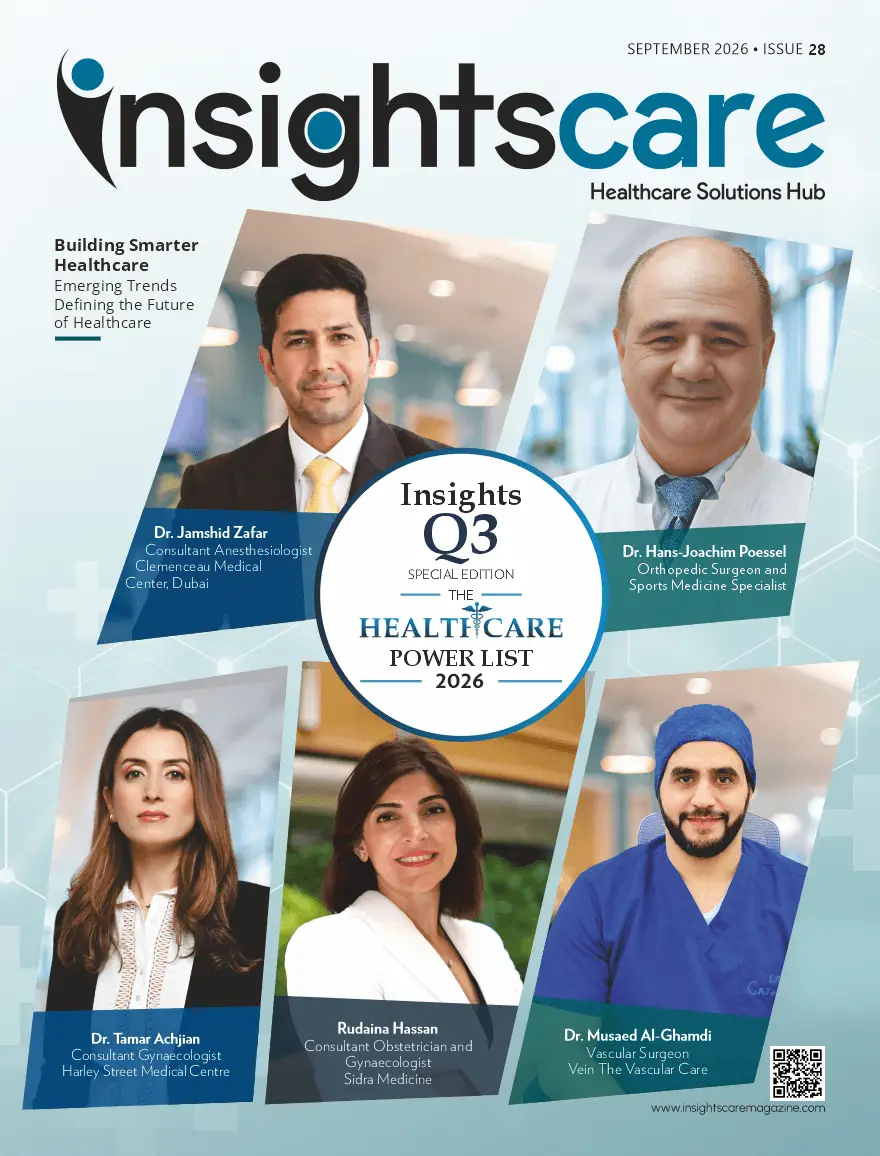
At the forefront of this evolving environment is Dr. Rudaina Hassan, Consultant Obstetrician & Gynaecologist at Sidra Medicine. With a strong medical background developed in the United Kingdom and years of experience in the Gulf region, she brings both global knowledge and local understanding to her work in women’s health. Her role goes beyond clinical care, as she actively contributes to improving awareness and strengthening how women’s health services are delivered.
Dr. Rudaina’s work highlights the need for better collaboration and a more consistent approach to women’s healthcare. Her journey offers a clear view of how dedicated leadership can help shape a more informed and supportive future for women everywhere.
Let’s delve into the interview details below!
How has your journey as a Consultant Obstetrician & Gynaecologist shaped your professional growth and clinical perspective over the years?
My 20-year journey in obstetrics and gynecology has been both rewarding and transformative. Training and working in the UK gave me a strong foundation in evidence-based medicine, multidisciplinary teamwork, and patient-centered care. Moving to Qatar eight years ago broadened my perspective further, exposing me to a diverse patient population and different cultural approaches to women’s health.
Over time, I have learned that women’s healthcare extends far beyond treating medical conditions. It is equally about listening, educating, and empowering women to make informed decisions about their wellbeing. One of the most meaningful milestones in my career has been establishing the first dedicated menopause clinic in Qatar three years ago. Menopause and hormone replacement therapy (HRT) were not widely established in the region at the time, despite many women struggling with symptoms that significantly affected their quality of life. Creating this service reinforced my passion for advancing women’s health and menopause awareness in the region.
How do your current responsibilities as a Consultant Obstetrician & Gynaecologist contribute to advancing women’s healthcare at Sidra Medicine?
At Sidra Medicine, my role combines clinical care, education, and service development. I care for women across all stages of life, from pregnancy and acute obstetric emergencies to gynecological and menopause-related conditions. I am particularly passionate about menopause medicine and women’s midlife health, where there is still a significant need for awareness and specialized care in the region.
By establishing and leading the menopause clinic, I introduced a more holistic approach to menopause management, including lifestyle interventions, mental wellbeing, bone health, cardiovascular health, and individualized HRT. In addition to clinical practice, I am actively involved in teaching, simulation training, guideline development, and mentoring junior doctors, all of which contribute to improving healthcare standards and patient outcomes.
What aspects of leadership in a high-pressure medical environment do you find most challenging, and how do you navigate them effectively?
Obstetrics and gynecology can be one of the most demanding medical specialties because situations can change very rapidly, particularly during acute obstetric emergencies. One of the greatest leadership challenges is maintaining calm, clarity, and effective communication while making critical decisions under pressure and ensuring patient safety remains the top priority.
I believe strong leadership is built on preparation, teamwork, trust, and communication. I navigate these situations by encouraging multidisciplinary collaboration and fostering a supportive environment where every team member feels respected and heard. Simulation training and continuous education are also extremely important because they improve confidence, teamwork, and emergency responses. Remaining approachable and solutions-focused during difficult situations helps build trust within the team and ultimately improves patient care.
What are some of the most significant challenges you have faced in your medical career, and what lessons have they taught you?
One of the biggest challenges has been balancing the demands of a high-intensity specialty with the emotional responsibilities that come with caring for women and families during vulnerable moments in their lives. Obstetrics in particular can involve unpredictable and emotionally difficult situations, and some experiences remain with you throughout your career. These challenges teach resilience, empathy, and the importance of teamwork and reflection.
Another challenge was developing menopause services in a region where awareness around menopause and HRT was still evolving. It required persistence, education, and advocacy to highlight that menopause care is an important part of women’s long-term health rather than simply a phase women should endure without support. These experiences reinforced the importance of adaptability, communication, and continuous learning.
How do you stay updated and ensure you remain ahead in the rapidly evolving field of obstetrics and gynecology?
Continuous education is a fundamental part of my profession. I regularly attend international conferences, participate in professional societies, review current literature, and follow updated guidelines from organizations such as the Royal College of Obstetricians and Gynaecologists (RCOG), International Menopause Society (IMS), and the American College of Obstetricians and Gynaecologists (ACOG).
I am also an Assistant Professor of Clinical Obstetrics and Gynecology at Weill Cornell Medicine-Qatar, and being involved in academic medicine and teaching plays an important role in helping me stay current with the latest evidence and innovations in women’s healthcare. Working within an academic institution such as Sidra Medicine also provides an excellent environment for collaboration, research, and innovation.
Which professional achievements or recognitions in your career hold the most meaning for you, and why?
One of the achievements I value most is establishing the first dedicated menopause clinic in Qatar. It has been incredibly rewarding to see how the service has grown and how many women have benefited from specialized and evidence-based menopause care. Knowing that women feel heard, supported, and empowered through this service gives me a great sense of professional fulfillment.
I also take great pride in my roles in teaching and mentoring junior doctors and medical students. Contributing to the development of future healthcare professionals is something I find both meaningful and rewarding.
How do you maintain a healthy work-life balance while managing the demands of your clinical and leadership responsibilities?
Maintaining work-life balance is extremely important, particularly in a demanding specialty such as obstetrics and gynecology. I am married and have three children, so family time is something I value greatly. Spending quality time with my family helps me stay grounded and provides an important balance to the pressures of clinical practice.
I also enjoy travelling, hiking, and maintaining an active lifestyle. Physical exercise and outdoor activities play an important role in supporting my overall wellbeing, helping me manage stress and build resilience. I believe that maintaining both physical and emotional wellbeing is essential not only in personal life, but also for sustaining professional effectiveness and balance.
What guidance would you offer to young medical professionals aspiring to build a successful career in obstetrics and gynecology, and what are your future goals in this field?
Obstetrics and gynecology is an incredibly rewarding specialty, but it also requires dedication, resilience, compassion, and strong teamwork skills. My advice to young professionals would be to remain curious, embrace continuous learning, and always remember the importance of empathy and communication in patient care.
Looking ahead, my future goals include continuing to advance menopause and women’s midlife healthcare in the region, expanding education and awareness around women’s health, and contributing further to medical education, research, and mentorship. I hope to continue helping shape more comprehensive and holistic approaches to women’s healthcare both within Qatar and the wider region.