

Neurological disorders rarely respond to a single fix. Parkinson’s disease, epilepsy, depression and obsessive-compulsive disorder (OCD) often defy standard treatment, leaving patients cycling through medications with diminishing returns. For decades, medicine has searched for a way to intervene more precisely, directly within the brain’s own circuitry, rather than simply managing symptoms from the outside.
Deep Brain Stimulation (DBS) has emerged as one of the most promising answers to that search. What began as a narrow surgical option has grown into a sophisticated, multidisciplinary approach to conditions once considered untreatable, reshaping how clinicians think about the brain and behavior together.
Few institutions illustrate that evolution as clearly as Indiana University Health. Its Deep Brain Stimulation program, built over nearly three decades by neurosurgeons, neurologists, and researchers in collaboration with the Indiana University School of Medicine, has grown from an early adopter of the therapy into a comprehensive neuromodulation center. What sets the program apart is not just its longevity but its structure: research, surgery, and long-term patient care operating as one continuous system rather than separate disciplines.
Let’s explore how IU Health’s Deep Brain Stimulation program is advancing neuromodulation through innovation, collaboration, and a patient-centered approach!
Building a Comprehensive Neuromodulation Program
The journey of IU Health’s Deep Brain Stimulation program reflects decades of continuous advancement, driven by scientific progress and a commitment to multidisciplinary care.
As Dr. Thomas Witt, a functional neurosurgeon at IU Health and associate professor of neurological surgery at the IU School of Medicine explains, improvements in surgical imaging and electrical recording techniques allowed the Movement Disorder Team at IU Health to bring the ablative (destructive) operations from the 1950s and 1960s back into use in 1995. Shortly thereafter, with the introduction of Deep Brain Stimulation technology, the DBS program at IU Health, in collaboration with the IU School of Medicine, evolved from a pioneering surgical therapy into a comprehensive neuromodulation center.
Dr. Witt performed the program’s first DBS surgery in 1997, establishing itself as an early adopter of this surgical intervention for movement disorders. By 2003, indications had expanded beyond Parkinson’s disease and essential tremor to include dystonia, marking another important milestone in the program’s development.
At the same time, clinical trials of DBS for medically refractory epilepsy began under the direction of Dr. Vicenta Salanova, a retired pediatric neurologist at IU Health and professor emeritus of neurology at the IU School of Medicine, as the primary principal investigator. IU Health became one of the largest enrollment centers for the SANTE epilepsy study in the country, further strengthening its contribution to advancing DBS therapies for epilepsy.
Another defining milestone came with the opening of the Indiana University Health Neuroscience Center (Goodman Hall) on August 24, 2012. The facility brought neurosurgeons, neurologists, neurophysiologists, neuropsychologists, psychiatrists, the neurorehabilitation lab, and neuroradiology imaging departments together under one location. This centralized environment improved multidisciplinary collaboration while making it significantly easier for patients to receive coordinated care in one location rather than navigating multiple appointments across different facilities.
Building on this foundation, the DBS program transitioned into a truly multidisciplinary model that includes the full spectrum of neuro expertise: neurosurgeons, neurologists, neurophysiologists, and neuropsychologists working together to optimize patient selection, treatment, and clinical outcomes.
The program was further strengthened by specialized research laboratories at the Indiana University School of Medicine, including the Noor Precision Neuromodulation Lab, which integrates electrophysiology, advanced brain imaging, and computational approaches with the goal of developing more individualized and optimized stimulation strategies.
Continuing this trajectory, Indiana University Health also became a participating site in the TRANSCEND multi-center clinical trial evaluating the safety and effectiveness of DBS as an investigational therapy for treatment-resistant depression.
Advancing Precision Neuromodulation Through Research
Research remains closely integrated with clinical care, helping translate discoveries from the laboratory into patient care.
Dr. Sohail Noor, a neurophysiologist at IU Health and assistant professor of neurological surgery at the IU School of Medicine, explains that his laboratory focuses on understanding how deep brain stimulation can be tailored to individual patients.
He notes, “My lab focuses on precision neuromodulation: understanding how DBS parameters, particularly stimulation frequency, shape brain responses and selectively engage pathways within mood-related circuits.”
His team combines electrophysiology, brain imaging, and computational tools to study brain circuits, with the long-term goal of developing personalized, circuit-specific deep brain stimulation strategies.
Research and clinical care operate as part of a shared mission across the neuroscience programs. For example, epilepsy patients undergoing stereo-electroencephalography for seizure localization provide an opportunity to characterize human brain circuits implicated in psychiatric conditions. These insights may inform more precise DBS targeting and programming.
The team also analyzes neurophysiological recordings obtained during DBS surgeries to better understand disease-related circuit activity and translate those findings into more individualized therapies. By integrating research with everyday clinical practice, Indiana University Health continues to strengthen its precision medicine approach while advancing the future of neuromodulation.
Expanding Innovation Through Multidisciplinary Collaboration
As IU Health’s functional neurosurgery program has evolved, its collaboration across neurosurgery, psychiatry, neurology, radiology, and neuroscience has created new opportunities for patients whose conditions have not responded to conventional treatments.
Dr. Susan Conroy, director of the Neurostimulation Program in psychiatry at IU Health, assistant professor of psychiatry at the IU School of Medicine, and provider at the recently opened Treatment Resistant Depression Clinic at IU Health North, explains that with the expansion of the functional neurosurgery program to include psychiatry, patients with severe depression or OCD (Obsessive-Compulsive Disorder) now have access to a full spectrum of advanced therapeutic options.
She notes, “With the expansion of our functional neurosurgery program to include psychiatry, we now have the ability to offer our patients with severe depression or OCD access to the full spectrum of cutting-edge therapeutics for conditions that have not responded to often dozens of other treatments.”
With IU Health supporting its participation in the TRANSCEND trial, the program is able to offer hope for patients with treatment-resistant depression who have exhausted all other options. The precision targeting required for this trial is available at only a limited number of centers across the United States.
Beyond TRANSCEND, the collaboration with IU Health neurosurgery also provides access to vagus nerve stimulation for treatment-resistant depression and DBS for OCD. She emphasizes that this combination of services is not available anywhere else in Indiana, making the psychiatry-neurosurgery partnership a significant advantage for both the organization and patients across the state.
Building on this, Dr. David Purger, division chief of functional neurosurgery at IU Health and assistant professor of neurological surgery at the IU School of Medicine, highlights how advances in neuroscience are reshaping psychiatric care itself. Recent discoveries identifying brain network dysfunction as a key cause of psychiatric illness are changing the way clinicians approach mental health. Patient-specific treatments such as transcranial magnetic stimulation (TMS) and DBS rely on advanced imaging to characterize each patient’s brain networks before planning personalized treatment.
This precision psychiatry approach is inherently multidisciplinary, bringing together psychiatrists, neurosurgeons, radiologists, neurologists, and neuroscientists, each contributing their expertise to make the most innovative treatments available to patients.
A Collaborative Model Centered on Every Patient
IU Health’s multidisciplinary philosophy extends beyond innovation into every stage of patient care.
As the only designated Parkinson’s Foundation Center of Excellence in Indiana, the organization has built a collaborative framework that significantly enhances the patient experience.
Dr. Elizabeth Zauber, a movement disorders neurologist at IU Health and the Hopkins Cunningham Family Professor of Neurology at the IU School of Medicine, notes that patients receive comprehensive, centralized evaluations that reduce the burden of scheduling multiple disconnected appointments. Neurologists, functional neurosurgeons, advanced practice providers, onsite clinical pharmacists, and specialized nurses work together to develop unified medication and therapy plans, minimizing conflicting treatments and reducing lengthy trial-and-error periods.
Specialized DBS nurses play an essential role by coordinating care, providing patient and family education, programming DBS devices, troubleshooting side effects, and optimizing stimulation parameters. Functional neurosurgeons and movement disorder neurologists work closely to determine optimal electrode placement for treating tremors, rigidity, bradykinesia, and dyskinesias, ultimately increasing patients’ “on” time and improving motor function.
Rehabilitation is integrated into the treatment pathway through LSVT BIG and LOUD-certified physical, occupational, and speech therapists. The IU Health Neurorehabilitation and Robotics Clinic utilizes condition-specific technologies to maximize mobility, balance, and independence.
Patients also benefit from specialized art therapy, music therapy, the Parkinson’s Voices of Hope choir, and mental health resources that address non-motor symptoms such as depression and apathy, reinforcing the program’s commitment to truly holistic care.
This same collaborative philosophy is equally evident within the Indiana University Health Epilepsy Center.
Dr. Dragos Sabau, a neurologist at IU Health and an associate professor of clinical neurology at the IU School of Medicine, explains that the center has remained at the forefront of clinical care and research for people with epilepsy in Indiana for more than three decades. Indiana University participated in clinical trials for every FDA-approved neuromodulation device introduced over the past two decades and enrolled the largest number of patients in the SANTE trial that ultimately led to FDA approval of DBS for drug-resistant epilepsy.
The success of these efforts, he explains, has only been possible through strong collaboration among physicians and healthcare professionals from multiple specialties.
Rather than relying on individual decision-making, epilepsy surgery, including implantation of deep brain stimulators, is reviewed by the Indiana University Health Epilepsy Surgery Committee. The committee includes physicians, advanced practice providers, nurses, psychologists, neurologists, epileptologists, neurosurgeons, neuroradiologists, neuropsychologists, and psychiatrists who meet weekly to review every patient requiring epilepsy surgery.
Following implantation, collaboration continues among specialized physicians, nurses, and biomedical engineers to determine the most effective programming strategies for long-term epilepsy management.
Maintaining Clinical Excellence While Growing
As the program continues expanding into new neurological and psychiatric indications, the team’s approach to clinical excellence remains grounded in a consistent set of guiding principles. Dr. Thomas Witt emphasizes, “Regardless of the new techniques and innovations we bring to the table, clinical excellence starts with a few basic principles.”
Every patient is evaluated by a dedicated multidisciplinary team that reviews medical records and imaging, examines the patient, develops a consensus recommendation based on the latest evidence, executes the treatment plan, and continues follow-up care, often throughout the patient’s lifetime.
The team also tracks its outcomes and continuously refines its practices to exceed national benchmarks. Regular participation in meetings and conferences across the country ensures the team remains current with the latest research findings, while offering patients access to the full spectrum of established and emerging treatment options.
Meeting Growing Demand Without Losing the Human Connection
As awareness of advanced neurosurgical therapies continues to grow, expanding access has become one of the program’s most significant challenges.
Dr. David Purger notes that IU Health includes four of Indiana’s six movement disorder-trained neurologists and three of the state’s four practicing functional neurosurgeons. The six movement disorder-trained neurologists in Indiana include Dr. Joanne Wojcieszek, Dr. Elizabeth Zauber, and Dr. Christopher James at the IU Health Neuroscience Center, along with Dr. Husain Y. Shaath with IU Health Neurology in Lafayette. IU Health also partners with Dr. Brooke Walls at the Richard L. Roudebush Veterans’ Administration (VA) Medical Center in Indianapolis, and Dr. Xabier Beristain at Columbus Regional, both of whom completed fellowship training in movement disorders at the Indiana University School of Medicine. Because of this concentration of specialized expertise, IU Health is often the only center in Indiana, and sometimes the surrounding region, where many advanced therapies in this field are available. This naturally creates increased demand, resulting in waiting lists and treatment backlogs.
With continued organizational support, however, the program is expanding significantly. The movement disorders team has added a nurse navigator and is recruiting additional faculty and nurse practitioners, while the functional neurosurgery program continues to grow with additional surgeons, nurse practitioners, and nurse navigators. These investments are allowing patients to be assessed and treated more quickly while maintaining the program’s high standards of care.
Supporting this expansion is a nursing team whose role has evolved alongside the growing patient population.
Carla van Amburg, lead RN and patient navigator at IU Health, explains that what distinguishes the program is its longstanding commitment to dedicated DBS nursing. What began with a single DBS nurse has expanded into a team consisting of a DBS nurse navigator and two DBS nurses who coordinate programming appointments, triage patient calls, monitor battery levels, communicate closely with the neurosurgery team, and work alongside neurologists and advanced practice providers to ensure continuity of care.
As she explains, “They are our patients and we get to know them and their families; we are with them and help them navigate what is necessary for the remainder of their lives.”
From guiding new referrals into the system to providing education before surgery, after surgery, and throughout long-term follow-up, the nursing team remains focused on ensuring that protocols are followed while always keeping the patient at the center of everything they do.
Driving the Next Generation of Functional Neurosurgery
As DBS continues to evolve, IU Health remains focused on advancing both technology and clinical practice while ensuring that innovation translates into better patient outcomes.
Dr. David Purger shares that, “IU Health is committed to pushing the boundaries of everything that we do, and we are constantly trying to bring in new technology as well as make existing treatments safer, more effective, and faster.”
Supported by IU Health’s robust clinical research infrastructure, the program evaluates emerging therapies and brings the most promising candidates into clinical trials. The team also works closely with hospital leadership to implement newly approved treatments as quickly as possible, ensuring patients benefit from the latest advances without unnecessary delay.
A defining strength of the program is its partnership with the Indiana University School of Medicine and Purdue University biomedical engineers. This collaboration enables discoveries made in the laboratory to move directly into the clinic and operating room. At the same time, clinicians and researchers are supported in attending national and international conferences, collaborating with peer institutions, and remaining at the forefront of developments in functional neurosurgery and neuromodulation.
Strengthening the Foundation for Future Growth
The continued expansion of the functional neurosurgery program reflects IU Health’s long-term commitment to innovation.
Dr. Mitesh V. Shah, neurosurgeon at IU Health and chair of the Department of Neurological Surgery at the IU School of Medicine, believes the field is entering a period of remarkable growth, with DBS offering opportunities far beyond traditional movement disorders.
He explains that DBS has tremendous potential because it can be applied to movement disorders, behavioral health conditions, and potentially addiction. Alongside neuromodulation, the department is also investing in ablative procedures such as focused ultrasound, creating an environment where novel therapies are continuously developed.
The addition of Dr. Harsh P. Shah as a functional neurosurgeon, who joined the department in September, represents another important step in this vision. Bringing a background in device innovation and development, he strengthens the department’s ability to build a neurosurgical innovation ecosystem that supports ideas from discovery through commercialization.
Looking more broadly at the department’s future, Dr. M. Shah explains that the strategic priority is to develop novel therapies for illnesses that have not traditionally been treated with functional neurosurgery. He emphasizes, “By understanding neural circuits that control normal and abnormal behavior, we can come up with ways to address the unmet needs of patients.”
Through an environment where basic science and translational research lead to therapies tested through clinical trials, the department aims to address significant unmet patient needs.
A Legacy Defined by Clinical Excellence and Innovation
The achievements of IU Health’s DBS program reflect decades of multidisciplinary collaboration, scientific discovery, and an unwavering commitment to improving patient care.
Dr. Thomas Witt and Dr. David Purger express pride in what the team of surgeons, clinicians, scientists, and staff has accomplished together. Among the program’s milestones are leading the United States in adopting a new DBS electrode, performing Indiana’s first vagus nerve stimulation procedure for stroke rehabilitation, and continuing to expand DBS into new clinical indications.
As patient demand continues to grow, the program is treating more individuals each year, including many who previously would have needed to travel outside Indiana to access comparable care. These accomplishments have positioned IU Health as an emerging regional and national destination for advanced treatment of complex neurological diseases.
Rather than viewing innovation as a destination, the team sees it as an ongoing responsibility, one that combines research, education, clinical excellence, and collaboration to continually improve patient outcomes.
Looking Ahead with a Shared Vision
Looking toward the future, the functional neurosurgery team at IU Health, alongside research partners at the IU School of Medicine, remains united by a common purpose: advancing the science of neurosurgery while delivering highly personalized patient care.
The program continues to invest in the technologies, expertise, and collaborative environment needed to provide individualized treatment for patients across Indiana and beyond. At the same time, researchers and clinicians are working to refine DBS through the identification of new therapeutic targets and the development of safer, more precise techniques that expand access to potentially life-changing care.
As the field of neuromodulation continues to evolve, IU Health is building on decades of multidisciplinary collaboration, pioneering research, and clinical innovation to help shape the next generation of therapies. By closely integrating scientific discovery with patient care, the program is translating new advances into meaningful improvements in outcomes and quality of life.
With a shared commitment to precision, innovation, and compassionate care, the team is not only redefining what DBS can achieve today, but helping shape the future of neurological care for generations to come.
Meet the Experts Advancing Neuromodulation at Indiana University Health
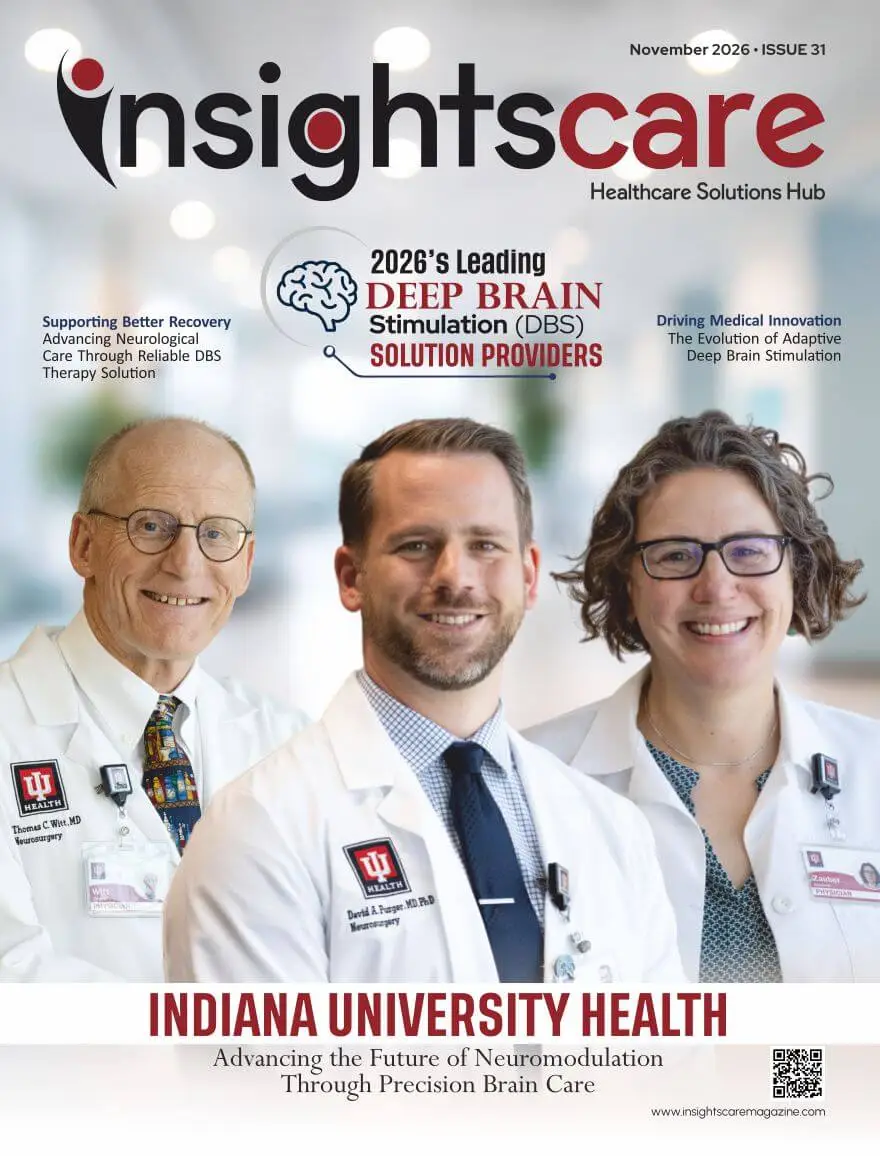
IU Health’s DBS program is driven by a multidisciplinary team of specialists who bring together expertise in neurosurgery, neurology, research, and patient care. Their collective efforts continue to advance personalized approaches for complex neurological conditions while expanding the possibilities of modern neuromodulation.
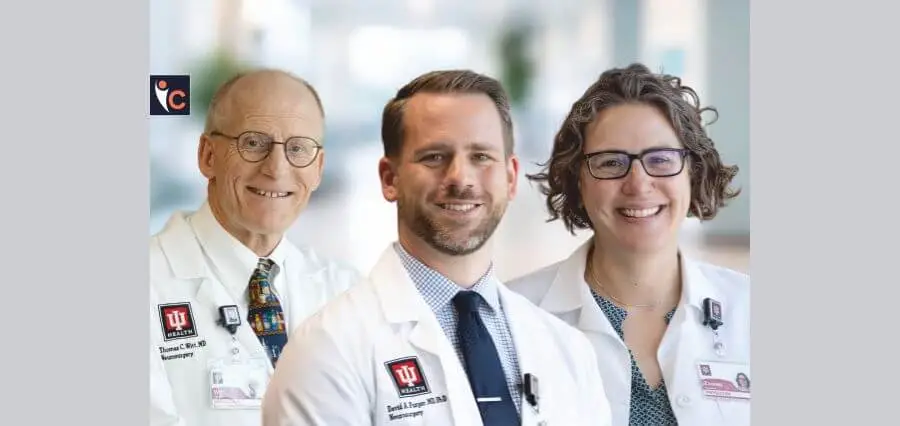
Dr. David A. Purger
As division chief of functional neurosurgery at IU Health and assistant professor of neurological surgery at the IU School of Medicine, Dr. David A. Purger focuses on stereotactic and functional neurosurgery, including deep brain stimulation for movement disorders, epilepsy, psychiatric conditions, and other neurological disorders. His approach combines advanced surgical techniques with personalized patient care, while his research explores areas such as brain networks, consciousness, personalized neuromodulation, and restorative neurotechnology.
Dr. Thomas C. Witt
A functional neurosurgeon at IU Health and associate professor of neurological surgery at the IU School of Medicine, Dr. Thomas C. Witt has played an important role in functional neurosurgery and the deep brain stimulation program at IU Health. His clinical focus includes deep brain stimulation for movement disorders and epilepsy, along with stereotactic radiosurgery and advanced surgical approaches for complex neurological conditions.
Dr. Harsh P. Shah
A functional neurosurgeon at IU Health and assistant professor of neurological surgery at the IU School of Medicine, Dr. Harsh P. Shah specializes in functional and restorative neurosurgery, including deep brain stimulation for movement disorders, epilepsy, facial pain, and other complex neurological conditions. His clinical and research interests focus on understanding brain networks and advancing personalized neuromodulation through electrophysiology, advanced neuroimaging, and computational modeling.
Through his work, he aims to develop more individualized treatment strategies that improve outcomes while preserving neurological and cognitive function.
Dr. Elizabeth Zauber
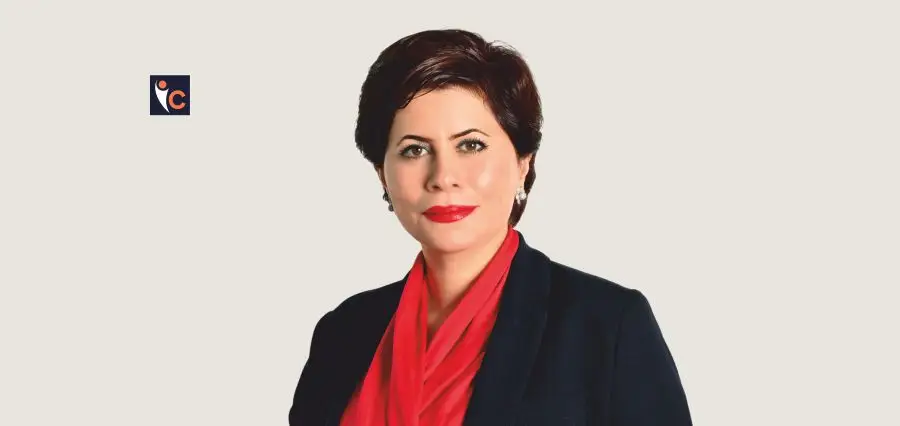
As a movement disorders neurologist at IU Health, Hopkins Cunningham Family Professor of Neurology at the IU School of Medicine, and director of the IU Parkinson Foundation Center of Excellence, Dr. Elizabeth Zauber brings extensive expertise in Parkinson’s disease, movement disorders, and deep brain stimulation. Her work reflects the importance of comprehensive neurological evaluation and collaborative care in helping patients achieve improved outcomes.
Dr. Sohail Noor
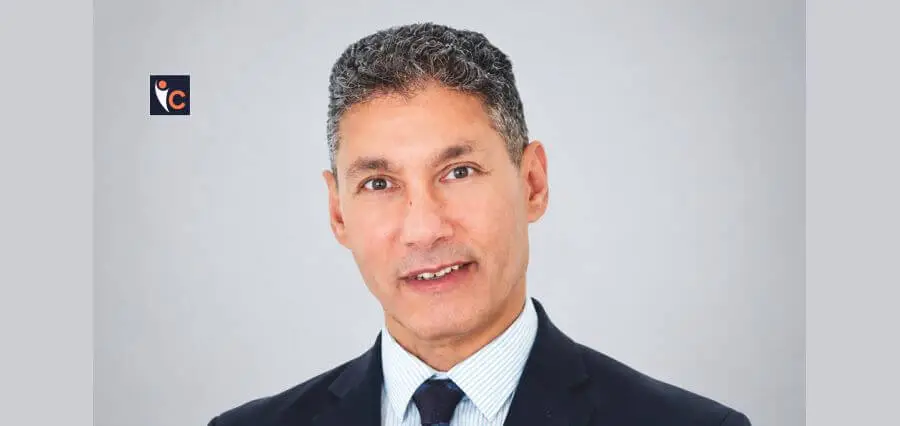
An assistant professor of neurological surgery at IU School of Medicine, Dr. Sohail Noor focuses on the science and technology of neuromodulation. His research integrates neurophysiology, brain imaging, and neural signal processing to advance precision neuromodulation, with the goal of improving therapies for treatment-resistant neurological and neuropsychiatric disorders. In collaboration with the IU Health functional neurosurgery program, he supports intraoperative brain mapping during DBS procedures while leading research to develop more individualized stimulation strategies.
Dr. Mitesh V. Shah
As chair of the Department of Neurological Surgery at IU School of Medicine and neurosurgeon at IU Health, Dr. Mitesh V. Shah is a leader within the neuroscience community, contributing to the continued growth and strategic direction of neurosurgical care and innovation. His leadership supports the advancement of multidisciplinary approaches that connect research, technology, and patient care.
Together, these specialists represent the expertise, collaboration, and commitment driving IU Health’s continued progress in neuromodulation and improved patient outcomes.
To learn more about Indiana University Health functional neurosurgery, visit https://iuhealth.org/dbsleadership
Advancing Precision Neuromodulation Through Research
Research remains closely integrated with clinical care, helping translate discoveries from the laboratory into patient care.
Dr. Sohail Noor, a neurophysiologist at IU Health and assistant professor of neurological surgery at the IU School of Medicine, explains that his laboratory focuses on understanding how deep brain stimulation can be tailored to individual patients.
He notes, “My lab focuses on precision neuromodulation: understanding how DBS parameters, particularly stimulation frequency, shape brain responses and selectively engage pathways within mood-related circuits.”
His team combines electrophysiology, brain imaging, and computational tools to study brain circuits, with the long-term goal of developing personalized, circuit-specific deep brain stimulation strategies.