



Driving Medical Breakthroughs
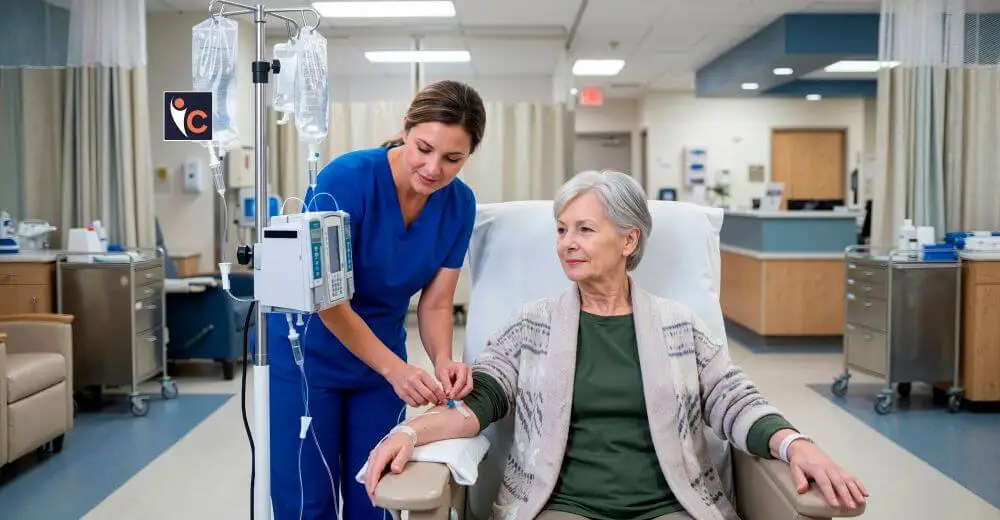
For many years, cancer treatment relied mostly on surgery, radiation, and chemotherapy. These methods have saved countless lives, but they can be hard on the body and do not work for everyone. Immunotherapy offers a different approach. Instead of attacking cancer directly, it helps the body’s own defense system recognize and fight the disease. The progress made in this field owes a great deal to immunotherapy innovation leaders, the researchers and doctors who have spent years turning a bold idea into real treatment.
How the Approach Works
The immune system is very good at finding germs and removing damaged cells. Cancer, however, often finds ways to hide from it. Some tumors send signals that tell immune cells to stand down, while others simply look too much like healthy tissue to be noticed.
Immunotherapy tries to remove these disguises. Certain medicines release the brakes that cancer places on the immune system. Other methods train a patient’s own immune cells to spot and attack tumor cells more effectively.
From the Laboratory to the Clinic
Turning these ideas into safe treatments has taken patience. Early research often produced promising results in the lab that did not hold up in patients. Immunotherapy innovation leaders kept refining their methods through these setbacks, testing new approaches and learning from each failure. Their persistence helped move immunotherapy from an experimental idea to an accepted part of cancer care for several types of the disease.
Why Some Patients Respond and Others Do Not
One of the biggest puzzles in this field is why immunotherapy works remarkably well for some patients but has little effect on others. Two people with the same kind of cancer may have very different outcomes. Understanding this difference is one of the most important questions researchers are trying to answer today.
Searching for Clear Signals
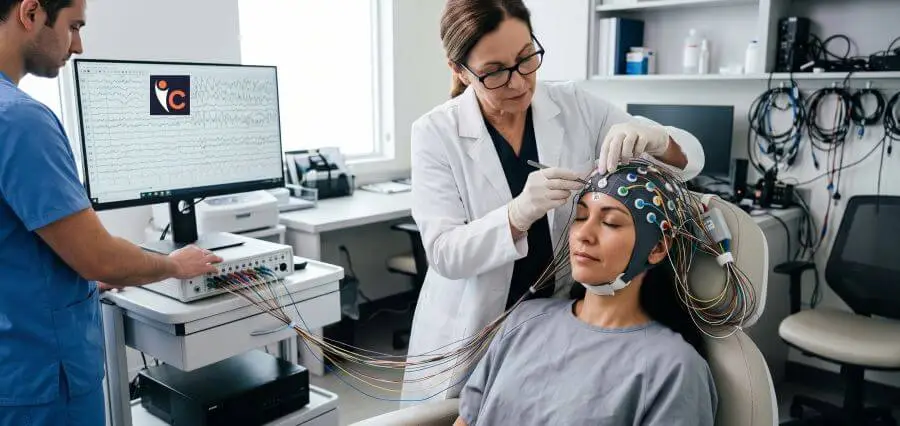
Scientists are looking for signs in a patient’s blood or tumor that can predict whether immunotherapy is likely to help. Finding such markers would allow doctors to choose treatments more wisely and spare patients from therapies that are unlikely to work. Immunotherapy innovation leaders have made this search a priority, since better prediction could make treatment both safer and more effective.
Using Treatments in Combination
Researchers are also studying whether immunotherapy works better alongside other treatments. In some cases, pairing it with chemotherapy or radiation appears to strengthen the immune response. These combinations must be tested carefully, because using several treatments together can also increase side effects. Early findings have encouraged further study across many types of cancer.
Managing Side Effects
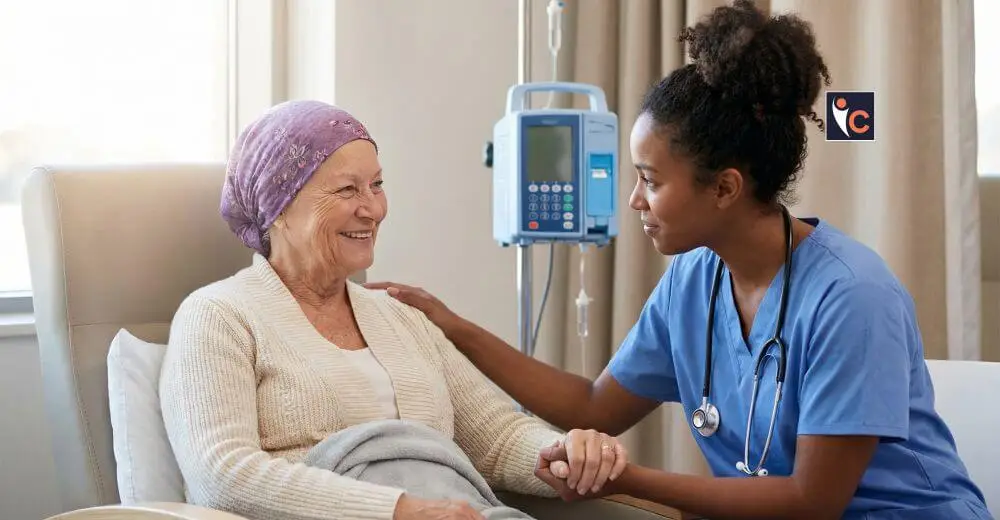
Because immunotherapy boosts the immune system, it can sometimes cause the body to attack healthy organs. These side effects can range from mild skin problems to more serious inflammation. Doctors have learned a great deal about spotting and treating these reactions early. Immunotherapy innovation leaders have played an important part in creating guidelines that help care teams respond quickly and keep patients safe.
The Importance of Clinical Trials
Every new treatment must be tested in clinical trials before it can be widely used. These studies depend on patients who agree to try therapies that are still being evaluated. Immunotherapy innovation leaders often work hard to make trials easier to join, explaining the risks honestly and reaching out to patients who have traditionally been left out of research. Wider participation gives researchers a clearer picture of how treatments work in different groups of people.
Working Across Boundaries
Progress in immunotherapy rarely comes from one laboratory alone. Universities, hospitals, and drug companies often share findings and work on projects together. This kind of cooperation speeds up research and reduces wasted effort. Many immunotherapy innovation leaders have built partnerships that bring together experts from different fields, from biology to data science.
Cost and Access
Some immunotherapy treatments are very expensive, and not every patient can get them. People in smaller towns or poorer regions may have little access to the hospitals that offer these therapies. Immunotherapy innovation leaders increasingly speak about the need to bring costs down and make treatment available to more people. Without this, the benefits of research will reach only a fortunate few.
Looking Ahead
Immunotherapy has already changed how doctors think about cancer, but much remains to be learned. Researchers are exploring new targets, better ways to predict success, and safer methods of delivery. The steady work of immunotherapy innovation leaders continues to push the field forward, offering new hope to patients whose options were once very limited. With continued research and fair access, the coming years may bring even greater progress in the fight against cancer.