


Prime Highlights
- Using artificial intelligence with digital breast tomosynthesis (DBT) helps radiologists detect more breast cancers, including invasive and lobular types.
- AI also identifies smaller tumors, which may allow less aggressive treatment and improved patient outcomes.
Key Facts
- The study compared screenings from 2018–2020 (pre-AI) and 2020–2022 (post-AI), showing detection rose from 339 cases in 54,440 exams to 369 cases in 48,742 exams.
- Nine breast radiologists interpreted the exams, and diagnoses of noninvasive disease like ductal carcinoma in situ remained stable after AI implementation.
Background
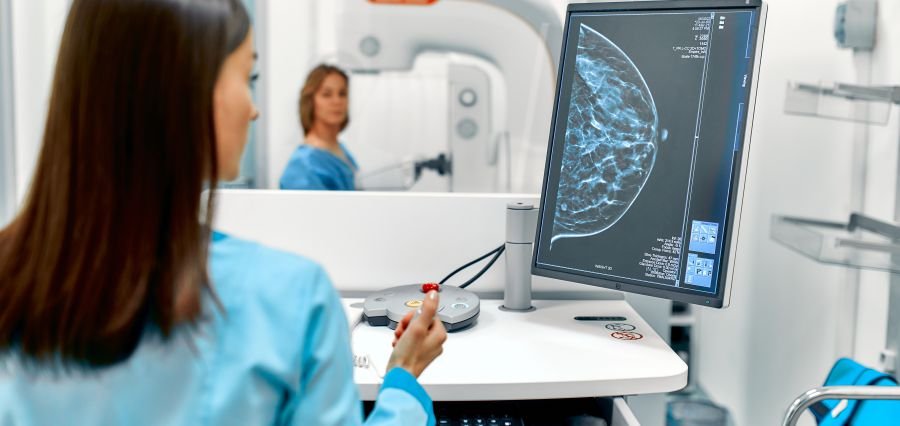
Using artificial intelligence alongside digital breast tomosynthesis (DBT) can help doctors find more breast cancers without increasing patient recalls, according to a new study published in the Journal of the American College of Radiology.
Researchers reported higher detection of invasive cancers, lobular tumors, and cancers in women with dense breast tissue after introducing AI into routine screening. The technology also helped identify smaller tumors, which may allow less aggressive treatment and better outcomes.
The study looked at screening results from four outpatient sites and compared two time periods: 2018–2020, before using AI, and 2020–2022, after implementing it. Nine breast radiologists interpreted the exams. Cancer detection rose from 339 cases in 54,440 screenings before AI to 369 cases in 48,742 screenings with AI support. Recall rates remained stable, and diagnoses of noninvasive disease such as ductal carcinoma in situ did not increase.
Lead author Kathy Schilling of Baptist Health said the findings suggest AI improves radiologist performance without causing overdiagnosis. Detecting smaller, localized tumors may allow breast-conserving surgery, reduce the need for lymph node removal and expand options for radiation or hormone therapy.
DBT already detects breast issues better than standard mammography, but it creates more images, which can make reading slower and contribute to fatigue. The study shows AI could help handle this extra work while also improving accuracy in real clinics.
Researchers noticed that earlier AI studies often used small datasets and didn’t apply well to real-world situations. The new analysis uses routine clinical audit data, so it reflects everyday screening practice.
The authors said that researchers need to do more forward-looking and multicenter studies to confirm the benefits for larger and more diverse groups. They concluded that using AI with DBT can clearly improve screening results while keeping patients safe.