


Prime Highlights
- Researchers developed an AI system that can predict sudden cardiac arrest by analyzing continuous ECG data, potentially enabling earlier detection and intervention.
- The deep learning model achieved about 99.89% accuracy, outperforming traditional methods and detecting patterns humans might miss.
Key Facts
- The AI system uses Convolutional Neural Networks for deep learning and Random Forest models for more transparent, lower-computation hospital use, achieving 99.06% accuracy.
- The technology has only been tested on existing datasets; real-world clinical trials are needed to validate performance across diverse patient groups.
Background
Researchers have developed an artificial intelligence (AI) system that can predict sudden cardiac arrest with striking accuracy by analysing continuous electrocardiography (ECG) data. The findings suggest the technology could help doctors detect life-threatening heart events before they occur.
Sudden cardiac arrest can strike without warning and causes many deaths worldwide. Doctors usually look at standard ECG readings, which show only a brief moment of the heart’s activity. Short snapshots can overlook warning signs that develop slowly.
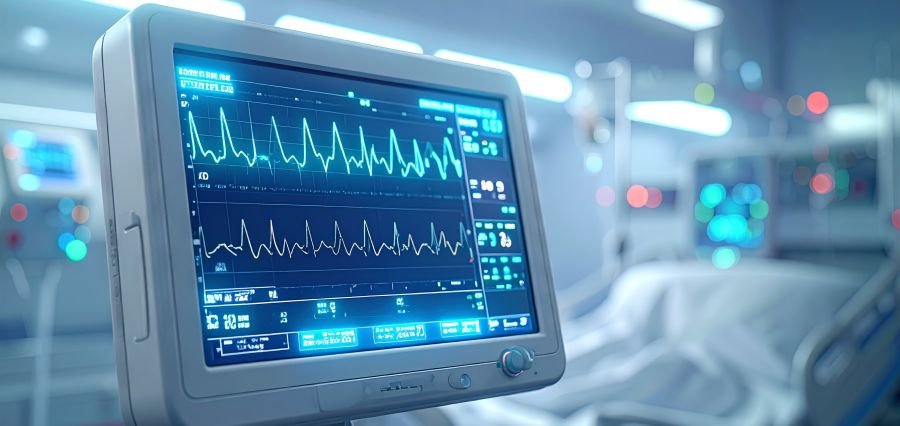
The new method tracks the heart’s electrical signals over time using ECG. This lets the AI detect small changes that could signal a serious problem. Because hospitals and wearable devices already collect continuous ECG data, the method could be added to existing systems.
The study tested both deep learning and traditional machine learning models. The deep learning system used a Convolutional Neural Network and performed the best, reaching about 99.89% accuracy. It analyzed raw ECG data and found complex patterns that humans might miss.
The Random Forest model achieved strong results, reaching about 99.06% accuracy. Researchers said this method is easier to use in hospitals because it needs less computing power and is more transparent.
Experts said the technology could help doctors identify high-risk patients earlier, increase monitoring and start treatment sooner. Early action may include closer observation, medication changes or preventive procedures.
However, the system has only been tested on existing datasets. Researchers said real-world clinical trials are needed before hospitals can use it in daily practice. They also need to ensure the model works across different patient groups and does not create too many false alarms.