


Strengthening Community Engagement
The healthcare system treats illness. But the conditions that determine whether people get ill in the first place, whether they have access to nutritious food, whether they live in environments free from pollution, whether they feel safe in their neighborhoods, whether they understand how to manage chronic conditions, and whether they can access preventive care before problems become serious, are shaped largely outside of clinical settings. This is the domain of public health outreach, the work of bringing health information, resources, and support directly to the communities where people live, work, and raise their families. It is work that does not always make headlines, but that consistently produces some of the most meaningful improvements in population health available.
Understanding the Scope of Public Health Outreach
Public health outreach is not a single activity; it is a broad category of work that encompasses health education, screening programs, vaccination campaigns, chronic disease management support, mental health awareness, substance use prevention, and the building of community relationships that make all of these efforts more effective over time. What unites these diverse activities is the orientation toward the community rather than the clinic, bringing health support to where people already are rather than waiting for people to navigate systems that may feel distant, confusing, or unwelcoming.
The work is done by a diverse range of professionals and community members, public health workers, community health workers, nurses, social workers, educators, faith leaders, and volunteers who share a commitment to improving health at the community level. The most effective public health engagement tends to be the work that is genuinely embedded in community life rather than parachuted in from outside.
Reaching Underserved Communities
Public health outreach is most urgently needed in the communities where existing health systems are least accessible, rural areas with limited healthcare infrastructure, urban neighborhoods with high poverty rates, communities of color that have historically been underserved by mainstream health institutions, and populations including the elderly, people with disabilities, and those experiencing housing instability who face specific barriers to accessing care.
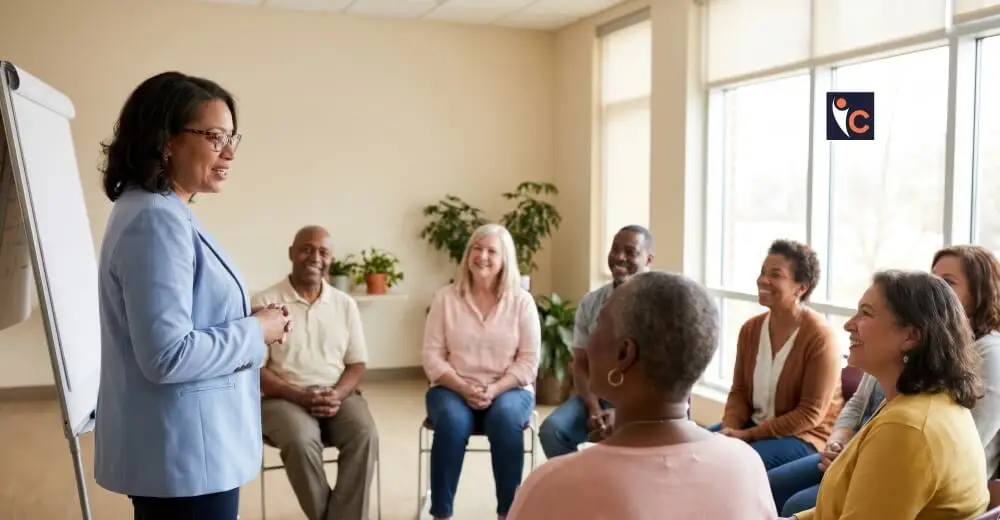
Reaching these communities effectively requires going to where people are, to community centers, faith communities, barbershops, grocery stores, and neighborhood gathering places, rather than expecting people to come to fixed service locations during hours that do not accommodate their lives. It also requires communicating in languages and through cultural frameworks that resonate with the specific communities being served rather than in the institutional language of healthcare systems that may feel foreign or alienating.
Strengthening Prevention and Early Detection
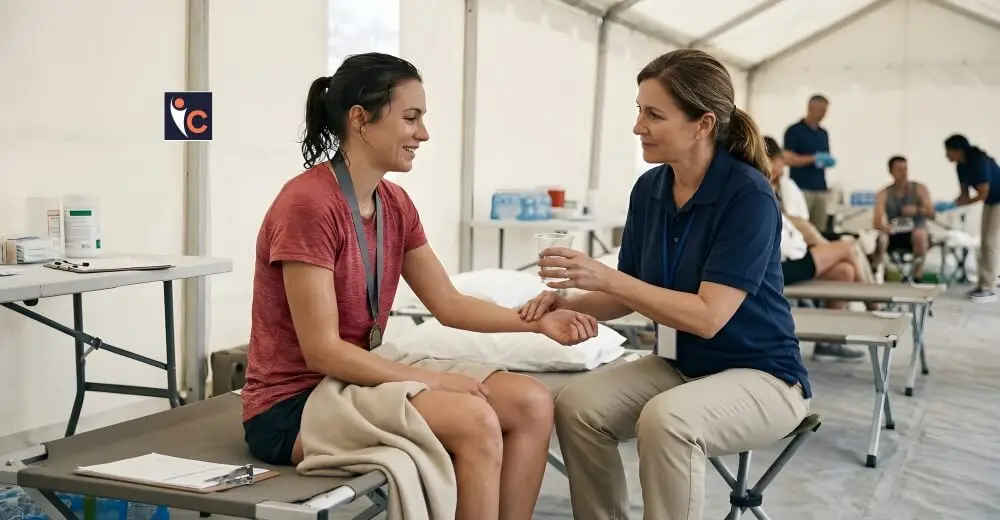
One of the most important functions of public health outreach is connecting people with preventive care and early detection opportunities that they might not otherwise access. Many serious health conditions, diabetes, hypertension, certain cancers, and others, can be managed much more effectively when identified early than when they are discovered only after they have progressed significantly. Screening events, health fairs, and community-based testing programs that bring early detection directly into communities save lives and reduce the long-term burden of chronic disease in ways that benefit both individuals and health systems.
Public health engagement that emphasizes prevention also shifts the cultural conversation around health, helping communities understand that healthcare is not just for when something has already gone wrong but is something that supports staying well.
Connecting Communities With Health Support
Among the most valuable assets in effective public health outreach is the community health worker, a trusted member of the community who bridges the gap between healthcare systems and the people those systems are meant to serve. Community health workers bring cultural credibility and deep understanding of community life that outside professionals rarely possess. They can navigate the informal networks through which information travels in communities, build relationships with individuals who would not engage with formal outreach programs, and provide the kind of ongoing, personalized support that changes health behaviors over time.
Investing in community health workers, training them well, compensating them appropriately, and genuinely valuing their knowledge and relationships is one of the highest-return investments available in public health engagement.
Looking Ahead
Public health outreach is accountable to the communities it serves, and that accountability requires honest measurement of whether the work is producing real change in health outcomes rather than simply delivering programs and counting participation. Genuine evaluation looks at whether screening rates increased, whether people connected to follow-up care, whether health behaviors changed, and whether health outcomes improved in the communities where outreach was concentrated.
This kind of honest evaluation is not always comfortable; it sometimes reveals that approaches that felt successful did not produce the outcomes that justified the effort. But it is the foundation of continuous improvement that allows public health engagement to keep getting better at doing what it exists to do.