

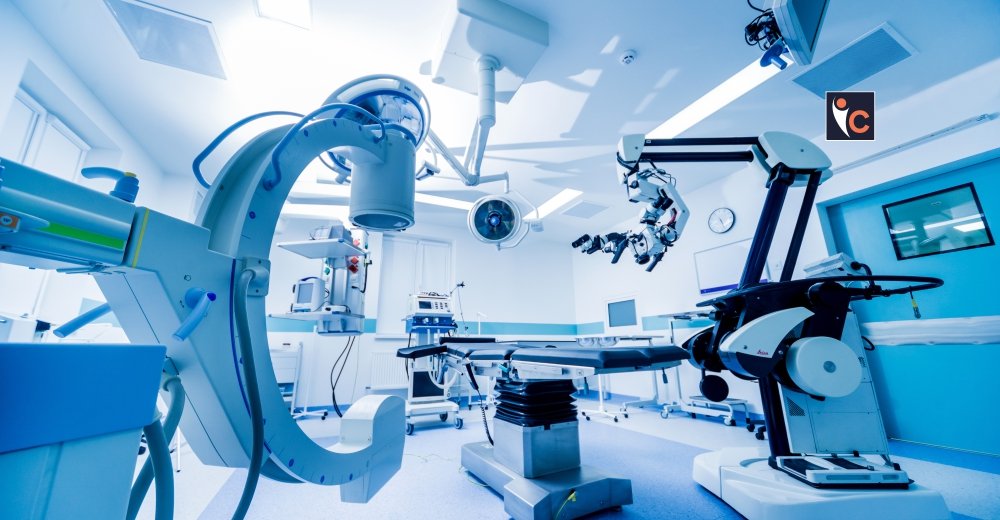
Leading Healthcare Innovation
The way medicine is practiced today would be largely unrecognizable to a physician from even a generation ago. Diseases are detected at stages that were previously invisible. Treatments are delivered with a precision that earlier approaches could only approximate. Patients are monitored continuously in ways that generate clinical insight from data that did not exist before the technology capable of capturing it was developed. Medical technology innovation is the driving force behind this transformation, reshaping not just individual procedures or diagnostic capabilities but the fundamental architecture of how healthcare is delivered and experienced by patients and clinicians alike.
Defining the Scope of Medtech Innovation
The scope of medical technology innovation is considerably broader than the medical devices most people picture when they hear the term. It encompasses diagnostic equipment that detects disease earlier and with greater accuracy, surgical tools and platforms that enable interventions with less physical burden on patients, digital health applications that extend the reach of clinical care beyond traditional settings, and the data infrastructure that allows healthcare organizations to learn from clinical experience at a scale that manual analysis could never support.
Each of these areas is advancing simultaneously, and the interactions between them are producing possibilities that none would generate independently. Better diagnostics inform more targeted treatment. More targeted treatment produces data that refines future diagnostic and therapeutic approaches. The result is a cycle of improvement that is accelerating rather than plateauing.
Advancing Early Disease Detection
One of the most clinically consequential contributions of medical technology innovation is the continued improvement in the ability to detect disease at earlier and more treatable stages. Imaging technology that reveals abnormalities at sizes and in locations previously invisible to clinical assessment, laboratory testing that identifies biological markers of disease progression before symptoms develop, and monitoring systems that detect physiological changes with continuous rather than episodic attention have all shifted what is possible in early disease detection.
The clinical significance of earlier detection cannot be overstated. Across many serious conditions, the stage at which disease is identified is the single most important determinant of treatment outcome. Catching disease earlier does not just mean treating it sooner; it means treating it at a point where the range of available options is wider, the physical burden of treatment is lower, and the likelihood of achieving lasting control or cure is substantially higher.
Extending Healthcare Beyond Clinical Settings
Perhaps the most significant shift that medical technology innovation is producing in healthcare delivery is the extension of meaningful clinical monitoring and support beyond the walls of hospitals and clinics. Remote monitoring devices that track heart rhythm, blood pressure, blood glucose, oxygen saturation, and other clinically relevant parameters continuously and transmit that data to clinical teams allow conditions to be managed with a continuity of oversight that was previously only achievable through hospital admission.
For patients with chronic conditions that require consistent monitoring, this extension of clinical reach changes the healthcare experience profoundly. Rather than depending on periodic appointments to assess how a condition is being controlled, with the gaps between appointments representing windows of clinical blindness, continuous remote monitoring creates an ongoing relationship between patient physiology and clinical attention that catches developing problems before they become clinical emergencies.
Strengthening Clinical Decisions Through Data
The volume of clinically relevant data generated by modern healthcare is enormous, and the ability to collect, organize, and analyze that data in ways that support better clinical decision-making represents one of the most impactful applications of medical technology innovation. Decision support tools that draw on large bodies of clinical evidence to inform individual patient care decisions, predictive analytics that identify patients at elevated risk of adverse outcomes, and platforms that surface relevant clinical information at the point of care all contribute to a quality of clinical decision-making that individual clinician knowledge and experience alone cannot consistently achieve.
This data-driven clinical support does not replace the judgment of experienced clinicians; it informs and extends it. The combination of clinical expertise and data-derived insight produces decisions that are grounded in both the specific characteristics of the individual patient and the patterns of evidence drawn from large clinical populations.
Looking Ahead
Medical technology innovation is not a destination; it is a continuing process of improvement that is building the healthcare system that future generations will depend on. The advances being developed and implemented today are establishing the capabilities, the infrastructure, and the clinical understanding that will define what healthcare can deliver in the decades ahead.
For patients, that trajectory means progressively better care, more precise, more accessible, more connected to the real-time reality of their health. For the healthcare system, it means the tools to meet rising demand with capabilities that keep pace with what patients deserve and what medicine is capable of providing.