



Driving Medical Innovation
The surgical experience that most people associate with major medical intervention- large incisions, extended hospital stays, and recoveries measured in weeks describes a reality that is becoming less common as surgical capability continues to advance. Patients today are increasingly able to undergo procedures that address serious conditions with far less physical disruption than equivalent operations required even a decade ago. Advanced surgical technologies are driving this shift, not gradually but with a pace and scope of change that is fundamentally altering what surgery can offer patients and what surgeons can achieve within the human body.
Understanding the Scope of Surgical Technologies
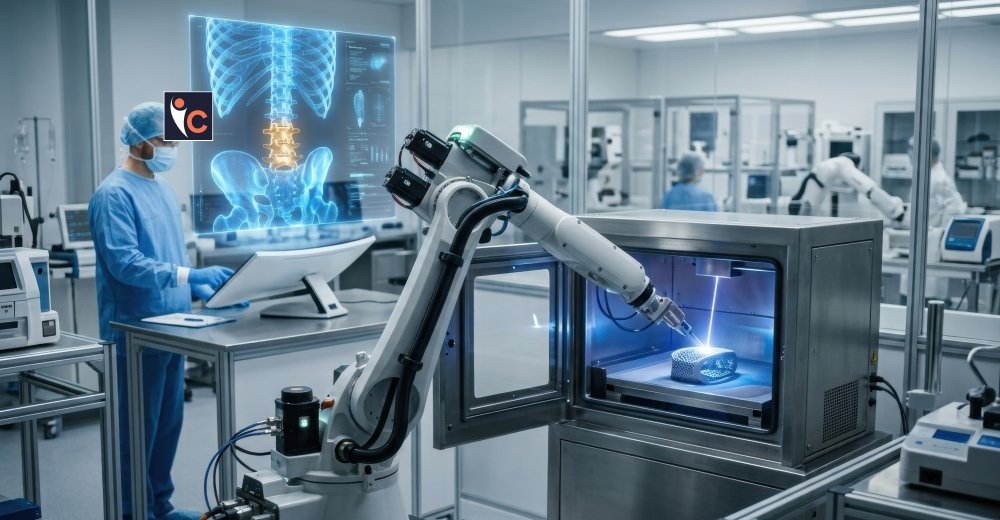
The term covers a broad and expanding range of tools, platforms, and systems that are changing how surgical procedures are planned, performed, and monitored. Advanced surgical technologies include robotic surgical systems that extend the surgeon’s capability with enhanced visualization and precision instrumentation, energy devices that cut and seal tissue with greater accuracy and less thermal spread than earlier tools, imaging systems that give surgeons real-time views of anatomy during procedures, and digital platforms that integrate pre-operative planning with intraoperative execution in ways that improve consistency and accuracy.
These technologies do not operate in isolation; they work together to create a surgical environment that is more precise, more controlled, and more consistently capable of producing good outcomes than the environments in which earlier generations of surgeons operated.
Expanding Surgical Precision Through Robotic Assistance
Robotic surgical systems represent one of the most significant developments within advanced surgical technologies, and one of the most widely discussed, both within the medical community and among patients seeking to understand their surgical options. These systems provide the operating surgeon with a three-dimensional, magnified view of the surgical field and allow instrument movements to be performed with a stability and precision that exceeds what unassisted human hands can consistently achieve, particularly in long and technically demanding procedures.
It is important for patients to understand what robotic assistance does and does not involve. The robotic system does not operate independently or make clinical decisions; it is entirely controlled by the surgeon, who directs every movement from a console. The technology amplifies the surgeon’s capability rather than replacing their judgment, experience, or clinical responsibility.
Enhancing Intraoperative Decision-Making with Real-Time Imaging
One of the advances within advanced surgical technologies that has changed intraoperative decision-making most profoundly is the ability to use imaging during a procedure to verify what has been accomplished and to guide what needs to happen next. Fluoroscopic imaging, intraoperative ultrasound, and augmented reality systems that overlay preoperative planning data onto the surgeon’s real-time view of the operative field all contribute to a level of intraoperative situational awareness that was not available to surgeons working with earlier tools.
This real-time imaging capability is particularly valuable in complex cases where anatomy has been altered by previous surgery, disease, or anatomical variation, situations where the expected appearance of structures may differ from what the surgeon encounters and where confident navigation depends on current information rather than preoperative assumptions.
Improving Recovery Through Less Invasive Surgery
The clinical sophistication of advanced surgical technologies ultimately serves a purpose that is most clearly felt by patients in the days and weeks following their procedures. Operations that are technically more precise produce less tissue disruption, less blood loss, and smaller wounds, all of which translate directly into faster recovery, less post-operative pain, shorter hospital stays, and earlier return to normal activity.
For patients with demanding professional or personal lives, this difference in recovery experience is meaningful in practical terms. For patients whose overall health makes prolonged recovery or significant post-operative physiological stress genuinely risky, minimally invasive approaches enabled by advanced surgical technology can mean the difference between a procedure that is safely offered and one that is not.
Building Surgical Expertise Through Advanced Training
Advanced surgical technologies expand what is surgically achievable, but they do not automatically produce better outcomes in the hands of surgeons who have not developed genuine proficiency with the specific tools involved. Each technology platform has a learning curve, and the outcomes achieved with these systems tend to improve as surgeons accumulate experience with their specific technical demands.
Investment in the training and ongoing skill development that these technologies require is therefore as important as the investment in the technologies themselves. Surgical teams that train thoroughly and maintain their proficiency through consistent use of advanced surgical platforms deliver better outcomes than those who deploy sophisticated tools without the depth of practice needed to use them at their full potential.
The Road Ahead
Advanced surgical technologies continue to evolve at a pace that makes confident prediction about where they will be in ten years genuinely difficult. What is clear is that the direction of travel, toward greater precision, better visualization, less physical burden on patients, and more consistent outcomes, is well established and is unlikely to reverse.
The surgical care available to patients in the years ahead will be shaped by the innovation happening right now. The patients who benefit most will be those whose care is delivered by surgical teams who are actively engaged with that innovation, not simply aware of it but genuinely skilled in using it to its full clinical potential.