

Access to quality cancer treatment remains an important concern for patients who must balance medical needs with the financial, logistical and emotional challenges of care. For those living outside major metropolitan cities, travelling long distances for treatment can add to an already difficult experience. Bringing advanced cancer care closer to patients is therefore an important part of strengthening regional healthcare.
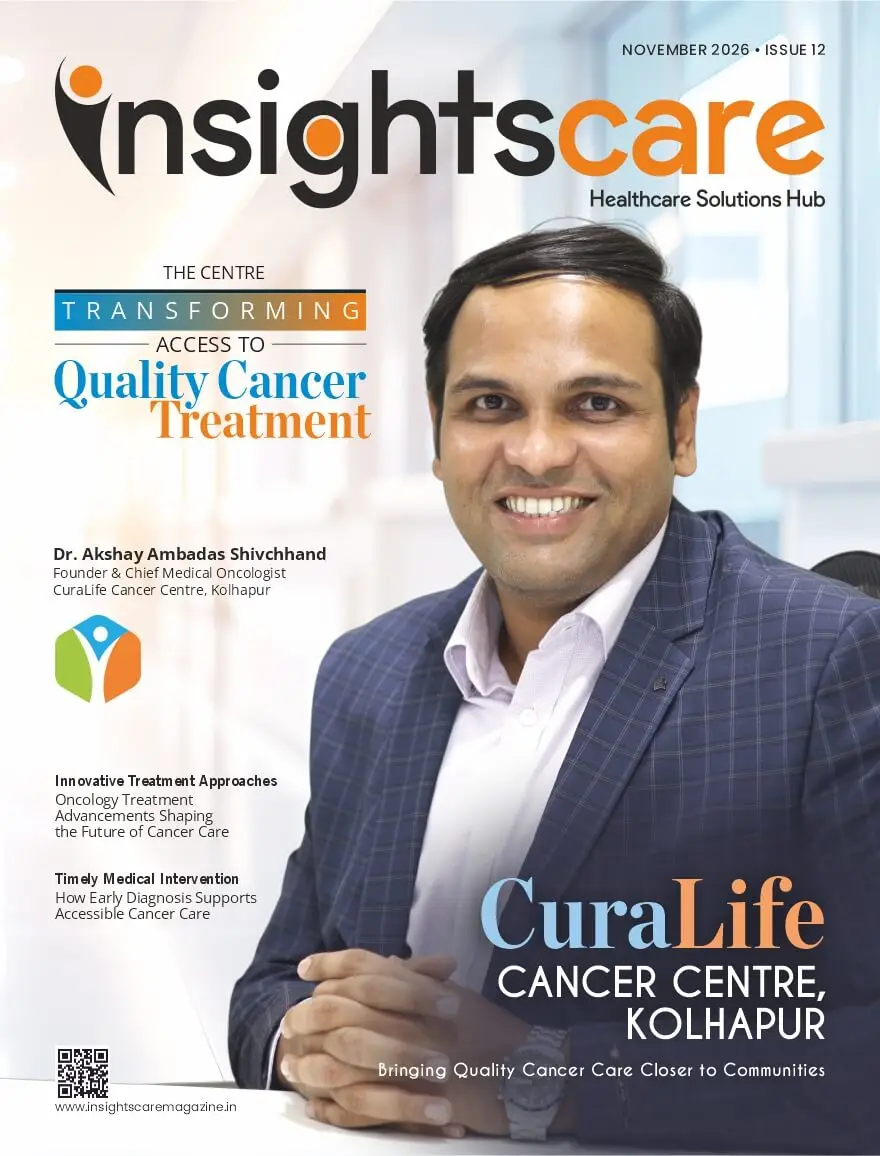
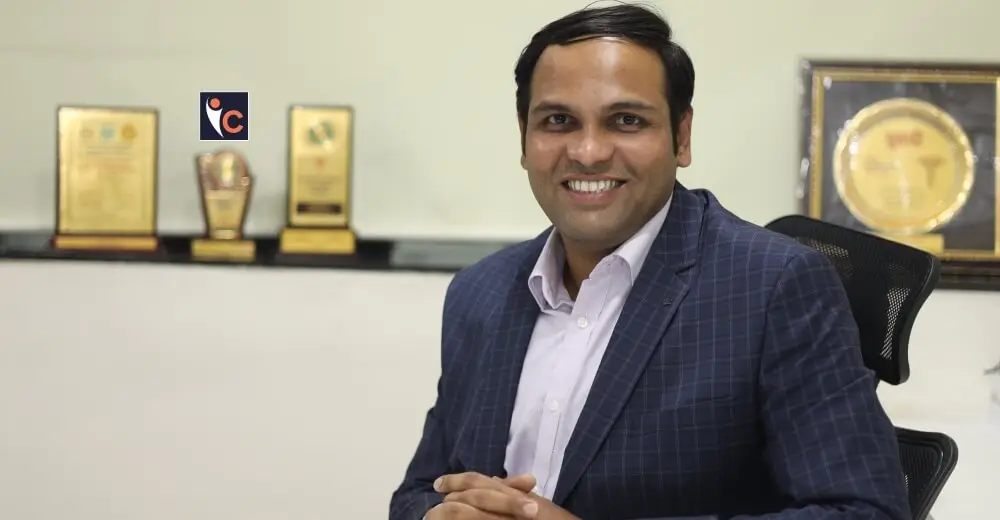
CuraLife Cancer Centre, Kolhapur, was established with a vision that went beyond simply creating a cancer treatment facility. It was founded by Dr. Akshay Ambadas Shivchhand and Dr. Amruta Akshay Shivchhand, with the aim of making quality, evidence-based and patient-centric cancer care more accessible to patients in Kolhapur and the surrounding regions. Led by Dr. Akshay Ambadas Shivchhand, Founder and Chief Medical Oncologist, the Centre provides a range of cancer treatments, supportive care and a day-care model that allows many patients to receive treatment and return home the same day.
By bringing together medical expertise, evolving treatment options and attention to patients’ individual needs, CuraLife seeks to make specialised cancer care more accessible while maintaining a focus on quality, personalisation and dignity.
Let’s explore how CuraLife Cancer Centre is making quality cancer care more accessible to patients in Kolhapur and the surrounding regions!
Building a Regional Centre for Cancer Care
CuraLife Cancer Centre was established with the aim of bringing advanced cancer care closer to patients in Kolhapur and the surrounding regions. For many patients, travelling to metropolitan cities for cancer treatment can involve significant financial, logistical and emotional challenges. Addressing this burden has therefore remained an important part of the Centre’s journey.
Today, CuraLife provides a range of cancer treatments, including chemotherapy, immunotherapy, targeted therapy and supportive care. Its day-care model allows many patients to receive treatment and return home the same day, reducing the burden of prolonged hospital stays.
One of the most important milestones in the Centre’s growth has been its evolution towards providing a broader range of cancer-care services in one accessible setting. CuraLife reports experience across more than 15 cancer types, over 10,000 treatments and more than 2,000 success stories. Each patient journey has contributed to strengthening its patient-centric approach.
The expansion into immunotherapy, targeted therapies, genetic counselling, onco-diagnostics and multidisciplinary cancer care has also been an important part of this journey. A key learning has been the importance of developing personalised treatment plans based on the patient’s cancer type, stage and overall health. This approach keeps individual patient needs central to treatment planning.
Leadership Guided by Compassion and Evidence
The leadership principles at CuraLife are centred around putting the patient first, evidence-based treatment, compassion, transparency and continuous learning. These principles guide the Centre’s approach to medical care and communication with patients and their families.
As Dr. Akshay recognises, cancer treatment is not only a medical journey; it can also be emotionally challenging for patients and their families. Listening to patients, explaining treatment plans clearly, guiding families and maintaining dignity and comfort throughout treatment are important aspects of CuraLife’s approach.
“The leadership principles at CuraLife are centred around putting the patient first, evidence-based treatment, compassion, transparency and continuous learning,” he notes.
Clear communication helps patients understand recommended treatment, available options and the steps involved in their care. It also gives families an opportunity to raise concerns and understand how they can support the patient.
At the same time, staying updated with evolving scientific evidence and advances in oncology is essential to maintaining quality cancer care. Under his leadership, evidence-based treatment and compassion remain complementary priorities, bringing together clinical requirements and the needs of the person receiving treatment.
Addressing Barriers to Cancer Treatment
Some of the challenges in expanding access to comprehensive cancer care include fear and misconceptions surrounding cancer, delayed diagnosis, the financial and logistical burden of travelling to larger cities, and limited awareness about newer treatment options.
CuraLife has addressed these challenges by focusing on patient education, cancer awareness, early detection and personalised counselling. These efforts are important because patients and families need clear information about cancer, available treatment options and the value of seeking medical advice without unnecessary delay.
The day-care model also helps reduce the need for prolonged hospital stays. Making advanced cancer treatments available closer to patients, while providing transparent guidance regarding treatment options and costs, is another important part of improving accessibility.
Accessibility involves more than the physical availability of treatment. Patients must also be able to understand their options and the practical considerations associated with care. By combining treatment services with counselling and guidance, CuraLife aims to make the process easier to understand and manage for patients and their families.
Keeping Pace with Advances in Oncology
Oncology is a rapidly evolving field, and CuraLife places importance on continuous learning, medical conferences, research and evidence-based treatment approaches. Dr. Akshay is involved in oncology research, clinical trials, academic contributions and professional oncology organisations. This exposure helps the Centre remain connected with evolving scientific developments and consider their appropriate clinical application for patients.
The Centre also focuses on modern oncology approaches, including immunotherapy, targeted therapy, molecular tumour board services, genetic counselling and advanced diagnostics. These areas contribute to the consideration of treatment options according to the patient’s cancer type, stage and overall health.
For CuraLife, the aim is not simply to introduce new approaches, but to consider their place within evidence-based, personalised care. Continuous learning and clinical judgment remain important when assessing which options may be appropriate for an individual patient. This focus allows scientific developments to inform treatment planning while keeping the patient’s needs at the centre of the process.
Medical Expertise and Multidisciplinary Care
Cancer treatment often requires more than the expertise of a single specialist. Coordination between diagnosis, medical oncology, surgical oncology, radiation oncology, supportive care, nutrition and other relevant services is important when planning care around a patient’s needs.
CuraLife has developed an oncology team along with onco-surgical expertise, advanced diagnostics, immunotherapy, targeted therapies, genetic counselling and supportive-care services. This allows treatment planning to be more personalised according to the patient’s cancer type and stage.
The role of infrastructure is not simply to provide advanced technology, but to ensure that treatment is delivered safely, efficiently and in a comfortable environment for patients. Medical expertise, appropriate facilities and coordination between relevant services all contribute to the delivery of care.
A multidisciplinary approach supports consideration of the different factors that may affect a patient’s treatment journey. By bringing relevant expertise into the planning process, the Centre seeks to provide care that reflects the clinical requirements of the disease as well as the individual circumstances of the patient.
Supporting Patients Beyond the Diagnosis
At CuraLife, patient-centric care means looking beyond the diagnosis and considering the individual needs of the patient and their family throughout the cancer journey. The Centre focuses on explaining treatment plans clearly, addressing patient and family concerns, providing counselling, nutritional guidance and supportive care, and ensuring appropriate monitoring during treatment.
Patients and families may need help understanding the treatment process and knowing what to expect. Clear explanations help them make informed decisions.
The day-care model also means that many patients do not need prolonged hospital stays, allowing medical care to be combined with greater comfort and convenience. For Dr. Akshay, the patient experience remains connected to the quality of clinical care and the support offered throughout treatment.
“Ultimately, while technology is important in cancer care, compassion, trust and continuity of care are equally essential.”
Counselling, nutritional guidance, supportive care and monitoring address needs beyond treatment itself, while clear communication keeps patients and families informed.
Professional Recognition and Contribution to Oncology
For CuraLife and its leadership team, professional recognitions are viewed not simply as awards, but as acknowledgement of the efforts made towards improving cancer care.
The professional recognitions associated with Dr. Akshay include the Pudhari Health Icon, Most Trusted Medical Oncologist of Maharashtra Award, Dr. APJ Abdul Kalam Award for Excellence in Healthcare and Atal Sanman Puraskar. His academic involvement, including participation as a faculty speaker at the Indian Cancer Congress, is also an important professional achievement.
For CuraLife, these recognitions represent acknowledgement of professional commitment, quality cancer care, patient trust and continued contribution to oncology. They reflect the work being done to improve access to cancer treatment and support patients through their care journeys.
Lessons for Healthcare Organisations
CuraLife’s advice to healthcare organisations seeking to improve access to specialised and quality cancer treatment is to view accessibility and quality as complementary goals rather than choosing one over the other.
“Healthcare organisations should first understand the real needs of patients in their communities and then develop trained specialist teams, evidence-based protocols, appropriate infrastructure and multidisciplinary collaboration accordingly.” Their services and systems should respond to the needs of the people they are intended to serve.
At the same time, equal importance should be given to cancer awareness, early detection, patient education and transparent communication. Along with making modern treatments available, healthcare providers should strive to make them understandable, accessible and as affordable as possible.
Technology has an important place in cancer care, but it is not the only consideration. Compassion, trust and continuity of care are equally essential. This perspective reinforces the need to build healthcare services around patients, combining clinical capability with communication and support throughout the treatment journey.
Looking Ahead: Strengthening Cancer Care in Western Maharashtra
Looking ahead, one of CuraLife’s key priorities is to strengthen accessible, affordable, high-quality and patient-centred cancer care across Kolhapur and Western Maharashtra. This includes expanding access to advanced cancer treatments, promoting early detection and preventive oncology, strengthening multidisciplinary care and appropriately adopting new developments in oncology.
“CuraLife’s stated vision is to develop a patient-centred oncology day-care network and contribute to building a stronger regional cancer-care ecosystem across Kolhapur and Western Maharashtra.” The focus is on strengthening access while continuing to consider the quality and personalisation of treatment.
For the Centre, the future is not simply about delivering more treatments. It is about building a stronger system where patients receive the right treatment, the right guidance and dignified care at the right time.
Under the leadership of Dr. Akshay Ambadas Shivchhand, CuraLife Cancer Centre continues to work towards a model of regional cancer care in which advanced treatment, clear guidance and compassionate support are considered together. Its long-term ambition is to contribute to a stronger cancer-care network for Kolhapur and Western Maharashtra, helping more patients access specialised services closer to home.
The direction remains clear: to make quality cancer care more accessible, support informed decisions and ensure that patients are treated with dignity throughout their journey.
Centre Details
CuraLife Cancer Centre
Rajarampuri 8th Lane, Above Bank of Baroda, Kolhapur
Contact: 9028 610 470 / 9028 610 471
Facebook: https://www.facebook.com/curalifecancercentre/
Instagram: https://www.instagram.com/curalifecancercentre/
YouTube: https://www.youtube.com/@CuralifeCancerCentre/