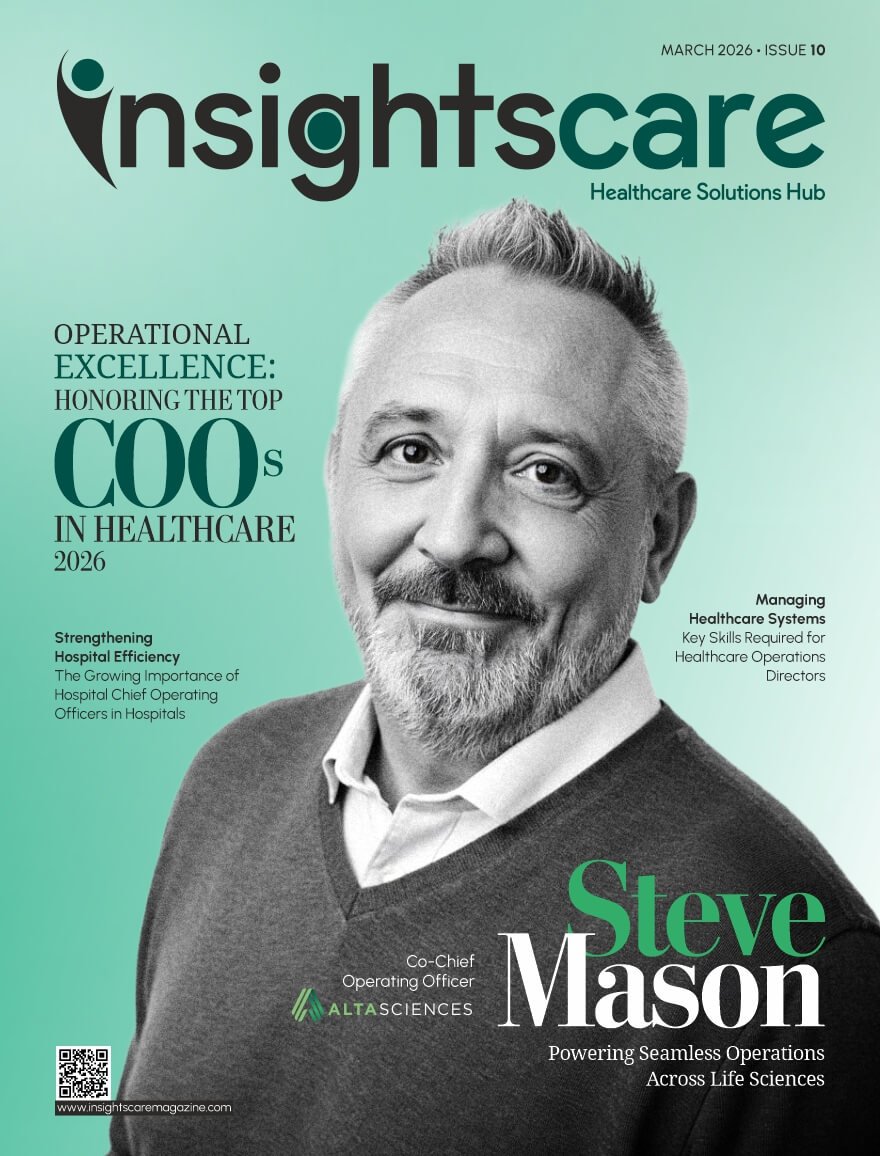





Presently, the function of design in drug development is no longer limited to its visual value. It is, in fact, vital to the patient’s revival, the promptness of the medical staff, and the general health of the community. Design is a hot topic in the healthcare sector, and thus, publications focusing on this topic have become attractive and captivating sources of information, novelty, and motivation. Those magazines give way to the future of hospitals, clinics, and wellness centers turning to the physical and psychological needs of society. The healthcare theme of the future era blends with the technological progress and patient demands, and it is formed by compassion, efficiency, and experience.
The Transition to the Non-Medical Characteristics of the Healing Atmosphere
The charter of healthcare institutions included descriptions of features such as pure white walls, bright and cold lights, and impersonal layouts that were medically focused. But the trend of human-centric care has turned this concept upside down. It became a therapeutic tool, giving a huge insight into how common locations in healthcare facilities, like the care room or the ward, are frequently awash with light from big windows in area magazines. These articles make a lot of references to research in which anxiety is measured among patients in the hospital, and they conclude that healthcare does tend to lessen stress levels, accelerate recovery, and wean painkillers faster.
It is a transition from mere comfort to human rights. Those who are under medical treatment have the right to feel recognized, supported, and cared for in the whole process of the illness. Designers are greeted with the friendly color schemes, user-friendly routing, and secluded zones for treatments that make sure that the patient is emotionally safe. Documenting this journey and pinpointing the junction between design and empathy at every step is what the well-thought-out healthcare design magazine embodies.
Tech as the Invisible Supporting Element of Current Healthcare Architecture
Technically speaking, the look and function of healthcare institutions have been tweaked by technology in a less obtrusive manner. For example, it is now accomplished with digital wayfinding systems or smart patient rooms. Most healthcare magazines at present meticulously report on such novelties as touchless check-in sources, integrated patient monitoring, telemedicine suites, and pharmacist workflows. As a result, these changes are slowly turning hospitals into smoothly functioning, technology-driven ecosystems.
However, the real charm of technology is its invisibility. Designers have been at their best integrating digital systems without the user feeling the space is engulfed. Smart lighting follows circadian rhythms, and thus even hospital environments become natural for sleep cycles in patients. The fresh air technology is also on its own adapting to room usage, and so apart from eco-friendliness, it also increases convenience. Hospital robots are also slowly entering the scene, some on the grounds of hard & repetitive tasks, e.g., a bot for medication delivery or AI-driven sanitation equipment.
A healthcare design magazine with in-depth case studies and expert interviews highlights these smart innovations’ subtleties. Consequently, architects and planners, as well as medical administrators, are being exposed to a much broader spectrum of possibilities when it comes to the use of technology. This leads towards the improvement of both functionality and the healing experience.
Sustainability: Designing Spaces That Heal Both People and the Planet
Sustainability has ceased to be a trend—it is now a definite obligation. “Green design” is the buzzword of modern healthcare institutions, which aim at saving the planet and at the same time at delivering a better quality of care. This trend is very much in line with healthcare magazines, which depict the industry turning to green buildings, more efficient energy use, and less waste generation.
Environmentally friendly healthcare design means a lot of different things. It is about the use of safe/clean material, development of outdoor areas, application of solar energy, upgrading of air filter systems, and investing in the recycling of waste. Also, the concept of sustainability goes deep into the health of patients. To breathe cleaner air, to be surrounded by nature, and not to be exposed to chemicals are all factors that make a place healthy and that promote relaxation. On top of that, more and more sustainable renovations mean lower utility bills, which give hospitals more financial freedom to invest in other areas, such as patient care.
Many hospitals and healthcare centers have embarked on the accreditation journey through reputed certification bodies such as LEED and WELL. These guidelines guarantee that not only the Earth is taken care of but also the humans inhabiting the space. A healthcare design magazine will periodically feature these milestones, motivating other organizations to follow suit and thus creating a wave of environmentally friendly innovation across the industry.
Designing for Flexibility, Efficiency, and Future-Readiness
One major takeaway from the recent events is the vital role of flexible healthcare spaces. When the need arises due to pandemics, natural disasters, or otherwise, hospitals must respond swiftly, with the aid of a well-planned design that makes this sudden shift possible. All the media related to the healthcare sector highlight this topic of discussion, e.g., modular layouts, convertible ICU units, and scalable outpatient departments are the terms often used to demonstrate the ideas.
Moreover, flexibility is not only about readiness but also about daily work routines. Healthcare professionals are at the center of staff-friendly design, which, in turn, is the well-being of medical staff directly linked to the quality of patient care. The presence of specially arranged relaxation areas, easy-to-navigate operational flows, and shorter walking distances for staff are some of the things that enhance healthcare workers’ productivity and mitigate burnout. In their articles, healthcare magazines frequently give credit to the idea that, just like patients, medical staff also need to be taken care of in proper environments.
Besides that, future-ready design also plans for changes in tech, population, and medical science. If you design a building with the future in mind, it will not only be functional for years to come but also adaptable to medical advances. By sharing their insights and advice, experts contribute to healthcare design magazine issues that provide the readers with a guideline for building sustainable, flexible, and future-proof healthcare settings capable of facing the challenges of tomorrow.
Conclusion
Design has become a powerful agent for the necessary changes in the healthcare industry. It changes the way patients regain their health, how doctors carry out their work, and how hospitals manage to stay afloat in a constantly changing world. Whatever the topic might be—tech-savvy hospitals, eco-friendly buildings, or architecture focused on human needs—all articles published by leading healthcare design magazines are the source of inspiration for designers, planners, and healthcare leaders. These journals do not only record the changes; they are a major factor in making them happen.
By offering in-depth features, various expert opinions, and the accounts of innovative projects, healthcare magazines keep fueling the debate of the potential and the necessity of healing spaces. As healthcare evolves, design will be instrumental in shaping spaces that soothe, strengthen, and heal.