Modern surgery is no longer judged by what happens on the operating table alone. Patients today expect outcomes that last, not just procedures that succeed in the short term and this shift has quietly reshaped how surgical specialties define excellence.
Nowhere is this more evident than in esophago-gastric surgery, a field long defined by complex anatomy, high complication rates and outcomes that have historically lagged behind other surgical disciplines. The rise of minimally invasive techniques has pushed the specialty to rethink what safe, sustainable treatment should look like.
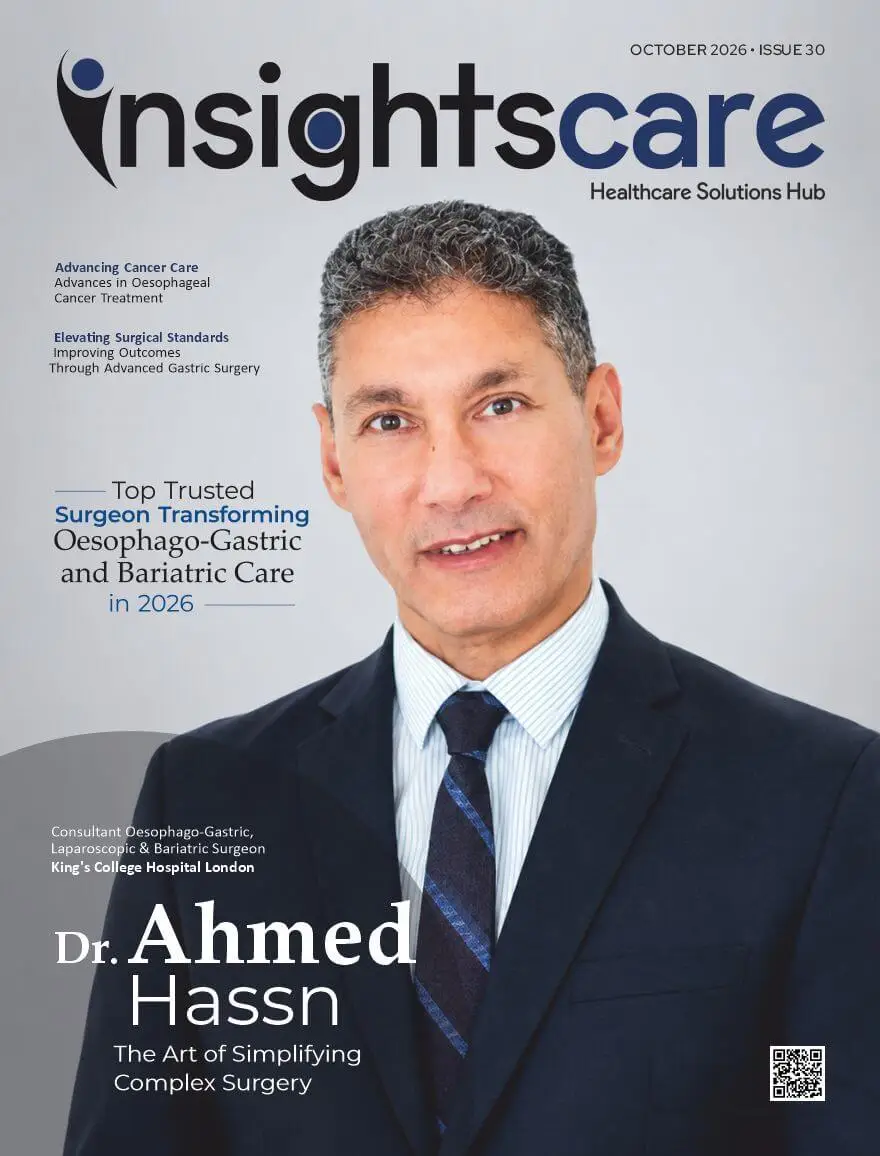
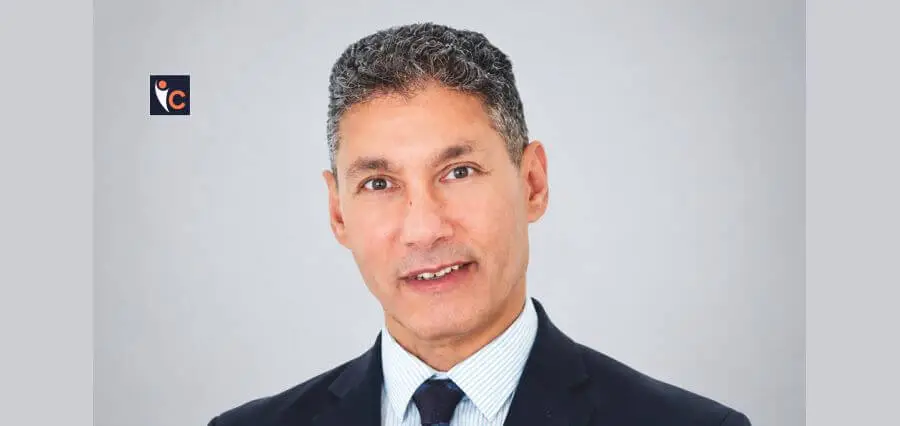
Dr. Ahmed Hassn, Consultant Oesophago-Gastric, Laparoscopic & Bariatric Surgeon at King’s College Hospital London, has spent much of his career working at this intersection of complexity and innovation. His approach stands out for its consistency: measuring success not by the immediate result of an operation, but by how patients live years afterward. That long-view philosophy has shaped procedures now recognized well beyond his own department.
Let’s explore how Dr. Ahmed has transformed this philosophy into a career dedicated to simplifying complex surgery, advancing innovation, and delivering better long-term outcomes for patients!
A Journey Driven by Challenge and Innovation
Dr. Ahmed’s journey into surgery began even before medical school. He recalls knowing early on that surgery was the path he wanted to pursue because he naturally enjoyed challenges and solving complex problems.
“I knew that I wanted to be a surgeon,” he notes.
He explains that his ambitions toward patient care aligned perfectly with surgical specialties. During his surgical training, however, he became increasingly aware that diseases of the esophagus and stomach remained particularly challenging. They were complex, not fully understood, and surgical outcomes were often less than satisfactory. Rather than viewing these limitations as barriers, they became the very reason he chose to specialize in esophago-gastric surgery.
He wanted to make a meaningful impact in a field where significant improvements were still needed.
A pivotal moment arrived just after graduation when laparoscopic surgery emerged as an alternative to traditional open surgery. He immediately recognized its potential to redefine surgical practice.
If surgeons could perform the same operation through tiny incisions with minimal tissue retraction and manipulation, he believed it would naturally translate into better outcomes for patients. Beyond reducing surgical trauma, he realized that laparoscopic surgery would simplify procedures that had previously been regarded as highly invasive and technically demanding.
One example that illustrates this transformation is the repair of a giant hiatus hernia. Early in his consultant career in the United Kingdom, patients frequently arrived believing the operation required opening the chest because that was the information they had received.
He would reassure them that those approaches belonged to the past, explaining that hiatus hernia repair could now be performed through keyhole surgery with minimal morbidity.
Throughout his surgical training in the UK, he also witnessed the high complication rates associated with surgery for esophageal and stomach cancer, along with the long-term side effects experienced by many patients after bariatric procedures. Rather than accepting these outcomes, he dedicated himself to finding better solutions.
His extensive research ultimately led to the invention of a new bariatric operation in 2004, while continuous incremental modifications to cancer surgery techniques resulted in significantly improved outcomes for patients undergoing esophageal and stomach resections.
The Pursuit of Lasting Patient Outcomes
At the heart of Dr. Ahmed’s practice is a philosophy that extends far beyond the operating room. For him, patient care is not defined simply by the success of an operation, but by the quality of life patients enjoy many years later.
He explains that “Patient care circles around giving the best available treatment for a particular patient while always considering possible delayed side effects.” Achieving an excellent immediate outcome, he believes, is not enough if the chosen treatment later results in significant complications or diminished quality of life.
He points to certain weight-loss operations that achieve impressive short-term weight reduction but leave patients dealing with severe malabsorption years later. Such experiences have reinforced his belief that every treatment decision must balance immediate success with lasting well-being.
Nothing gives him greater satisfaction than meeting patients years after surgery and hearing that they continue to live healthy lives without long-term side effects.
“Nothing is more pleasing than that,” he says.
This philosophy is reflected in three principles that guide every clinical decision he makes.
First, he believes in thinking only clinically, ensuring that every decision is based solely on what is best for the particular patient without allowing incentives, time pressures, or personal ego to influence treatment choices.
Second, he consistently asks himself how he would feel meeting that patient years after surgery. This perspective encourages him to choose procedures designed for lasting success rather than short-term gains.
Finally, his approach is deeply personal.
He treats every patient exactly as he would want members of his own family to be treated.
Together, these principles form the foundation of a practice where clinical excellence is inseparable from compassion, responsibility, and long-term commitment.
Leading Surgical Excellence Through Responsibility and Teamwork
As the lead surgeon for esophageal and stomach surgery, including hiatus hernia, gastroesophageal reflux disease (GERD), and cancers of the esophagus and stomach, Dr. Ahmed oversees every stage of a patient’s surgical journey.
He regularly receives referrals from surgeons and physicians for complex esophageal and stomach conditions. Each patient undergoes a comprehensive assessment in the clinic, where investigations are carefully reviewed before discussing the available treatment options.
Almost all of his esophago-gastric procedures are performed laparoscopically, reflecting his longstanding commitment to minimally invasive surgery whenever it provides the greatest benefit for the patient.
However, he believes that surgery itself represents only one part of patient care.
Following every operation, he leads the multidisciplinary team responsible for ensuring a smooth recovery, while maintaining close follow-up for as long as each patient requires. His responsibility does not end once patients leave the hospital.
Instead, he considers their care to be lifelong.
He notes that, “I take responsibility for the patient’s care lifelong, and they contact me whenever needed.”
This enduring commitment has become one of the defining characteristics of his clinical practice. It also explains why colleagues frequently seek his expertise when faced with particularly challenging cases.
At King’s College Hospital, he is regularly called upon by other surgeons to advise on and assist with complicated operations, making collaboration and specialist support a routine part of his professional responsibilities.
Although patient care is delivered through a multidisciplinary team, Dr. Ahmed believes effective leadership requires both collaboration and accountability.
Management decisions are discussed collectively, ensuring that every perspective contributes to the treatment plan. At the same time, he recognizes that ultimate responsibility must rest with the team leader.
His leadership philosophy centers on respecting every member of the team while maintaining clearly defined roles and responsibilities.
As he explains, he values the contribution of every professional involved in patient care, yet he also accepts full responsibility for the care delivered by the team.
This balance between collaboration, accountability, and decisive leadership has enabled him to build highly effective surgical teams capable of managing some of the most complex esophago-gastric conditions while consistently striving for the highest standards of patient care.
Overcoming Challenges Through Persistence and Precision
Throughout his career, Dr. Ahmed has viewed challenges not as obstacles but as opportunities to improve both his own abilities and the standard of patient care.
One of the earliest challenges came during his surgical training in the late nineties, when laparoscopic surgery was still emerging and formal training resources were limited. Simulators and structured practice opportunities were scarce, yet he was determined to master what he believed would become the future of surgery.
Instead of waiting for better resources, he created his own.
He produced a simple simulator at home and practiced stitching on sponges and balloons, refining the skills that would later become central to his career. This determination to keep learning laid the foundation for his future innovations in minimally invasive surgery.
Later, as a consultant in the NHS, he faced another challenge when introducing new procedures and surgical innovations.
The process proved difficult in what he describes as a conservative healthcare environment, where implementing new techniques required considerable time and evidence. Rather than becoming discouraged, he focused on persistence and demonstrating measurable improvements in patient outcomes.
He explains that “The key was persistence and showing the improved outcomes.”
That same persistence has guided his approach to some of the most demanding clinical cases.
He recalls one particularly memorable patient who had undergone a partial esophagectomy for cancer at another hospital. Shortly after surgery, it became clear that the cancer had not been completely removed. Although everyone agreed that a completion esophagectomy offered the best chance of treatment, no surgeon at the referring hospital was willing to undertake such a technically demanding reoperation because of extensive scarring and distorted anatomy.
When the patient was referred to him, he carried out a thorough assessment, carefully explained the proposed procedure, and approached every stage of the surgery with meticulous attention to detail. Despite its complexity, the operation was completed safely, the patient recovered well, and remains alive 12 years after the second esophagectomy.
The case reflects the philosophy that has shaped his career: careful planning, technical precision, and the willingness to accept responsibility for difficult cases when patients need it most.
Adopting Innovation Only When It Benefits Patients
Medical technology continues to evolve at an extraordinary pace, but Dr. Ahmed believes that innovation should never be adopted simply because it is new.
He regularly updates himself on emerging technologies and advances across medicine, carefully evaluating new developments before deciding whether they genuinely improve patient care.
At the same time, he recognizes that not every innovation delivers meaningful clinical value.
He notes that some new techniques and procedures are primarily commercial, offering little benefit despite being heavily promoted by manufacturers. For that reason, he believes surgeons must critically assess every new technology rather than following trends.
“I only adopt and apply technological tools which add benefits to the patient.”
This principle has guided his adoption of minimally invasive surgery throughout his career.
He has been among the forefront of surgeons worldwide applying laparoscopic techniques to esophageal and stomach surgery, helping establish procedures that reduce surgical trauma while maintaining excellent clinical outcomes.
As technology continued to advance, he also embraced robotic surgery where it could further enhance patient care.
Beyond surgery itself, he highlights the importance of multidisciplinary advances in cancer treatment. One of the most significant developments has been the incorporation of immunotherapy into the treatment pathway for patients with esophageal and stomach cancer.
Combined with established surgical resection and chemotherapy, immunotherapy has significantly improved patient outcomes, demonstrating how carefully selected innovations can transform clinical practice when they are supported by evidence.
Innovations That Have Changed Surgical Practice
Looking back on his career, Dr. Ahmed identifies several achievements that have had lasting impact on both patients and the wider surgical community.
Foremost among them are the surgical interventions and procedures he has introduced for diseases of the stomach and esophagus. Through continuous refinement and modification of operative techniques, he has helped improve outcomes for patients undergoing surgery for esophageal and stomach cancer.
These results have placed his unit among the leading centers internationally, with outcomes published in peer-reviewed journals and documented in the UK’s National Esophago-Gastric Cancer Audit.
In recognition of this work, he received the Innovation and Excellence Award within the NHS in 2007.
Another milestone came with the invention of a new bariatric operation in 2004. Developed to overcome some of the long-term complications associated with existing weight-loss procedures, the operation demonstrated superior long-term outcomes, which were later published in the respected Obesity Surgery Journal in 2016.
His work has also transformed the treatment of gastroesophageal reflux disease (GERD) and hiatus hernia.
Over the years, the techniques and modifications he developed have resulted in complete cure of acid reflux in 98 percent of patients undergoing laparoscopic surgery.
These outcomes have earned him tertiary referrals from surgeons across the United Kingdom and internationally for patients with recurrent hiatus hernia or failed anti-reflux procedures.
Together, these achievements reflect a career dedicated not simply to performing surgery but to continually improving how surgery is performed.
Finding Balance Through Purpose
For Dr. Ahmed, work-life balance is deeply personal rather than universally defined.
He believes every surgeon should recognize what balance means within the context of their own personality and aspirations.
For him, the first reason balance feels achievable is simple: he genuinely enjoys every aspect of surgery. At the same time, he believes that meaningful relationships are built on the quality of time rather than the quantity of time.
Although the demands of surgery leave limited hours outside work, he focuses on being fully engaged with his family and friends while continuing to enjoy his personal hobbies.
This perspective allows him to remain committed to an intensive surgical career without losing sight of the people and activities that matter most beyond the operating theatre.
Advice for the Next Generation of Surgeons
Having spent decades advancing surgical practice, Dr. Ahmed encourages young doctors to begin by understanding themselves before choosing a specialty.
He advises aspiring surgeons to consider their personalities and the lifestyle they hope to achieve, and then select the specialty or subspecialty that best matches who they are.
In his view, every surgeon, and indeed every professional, should pursue work they genuinely enjoy and that fulfills their ambitions.
Alongside career choice, he emphasizes the importance of lifelong learning.
Medicine continues to evolve rapidly, making continuous education and refinement of surgical skills essential throughout a professional career.
Equally important is maintaining an unwavering commitment to patients.
He advises young surgeons to treat patients exactly as they would wish to be treated themselves and to “Think only clinically,” ensuring that every decision is based solely on the patient’s clinical needs rather than external pressures or personal interests.
These principles, he believes, provide the strongest foundation for both professional excellence and lasting patient trust.
A Legacy of Simplicity, Innovation, and Better Outcomes
After more than two decades of advancing esophago-gastric surgery, Dr. Ahmed continues to look ahead with the same determination that shaped the beginning of his career.
His guiding philosophy remains remarkably straightforward.
“The art is to simplify.”
Driven by this belief, he has spent more than twenty years refining complex resectional surgery for esophageal and stomach cancer, making these operations safer while reducing complications. Although his outcomes compare favorably with those achieved by leading centers around the world, he does not regard those achievements as the final destination.
Instead, he continues modifying techniques and practices with the goal of making complex cancer surgery as safe and as simple as possible.
His commitment to advancing the profession also extends beyond the operating room.
He is preparing to establish the Foregut Club in Dubai, replicating the educational forum he has successfully led in the United Kingdom for many years. Through monthly meetings, the initiative aims to raise awareness among gastroenterologists about diseases affecting the stomach and esophagus while encouraging collaboration and continuous learning.
At the same time, he is completing a book titled Philosophy of Surgery. Rather than serving as a technical surgical textbook, it explores the human side of surgery: how surgeons make decisions in the operating theatre, why they choose one treatment over another, and how they deal with complications. By examining the mindset behind surgical decision-making, he hopes to offer meaningful insights that ultimately improve both clinical judgment and patient outcomes.
As medicine continues to evolve, Dr. Ahmed Hassn’s career demonstrates that true innovation is not measured by adopting every new technology or performing increasingly complex procedures. It is measured by making surgery safer, simpler, and more effective for patients, while remaining committed to learning, refining, and leading with responsibility.
His journey reflects a career built on technical excellence, thoughtful innovation, and an unwavering belief that the greatest success in surgery is not simply completing an operation; it is seeing patients return years later living healthy lives with lasting outcomes.