Thoracic surgery requires a very high level of precision. The organs involved are delicate, the margins for error are small, and every decision can affect breathing and recovery. Because of this, experience, careful judgment, and consistency are essential in this field. These demands shape both the work and the surgeons who choose this path.
With new technologies changing how surgeries are performed, thoracic surgeons need to keep learning and adapting. Their role is not confined to surgery alone; they are also involved in patient care, working with other specialists, and improving their skills over time. Precision and balance of new techniques are necessary to achieve effective and safe treatment.
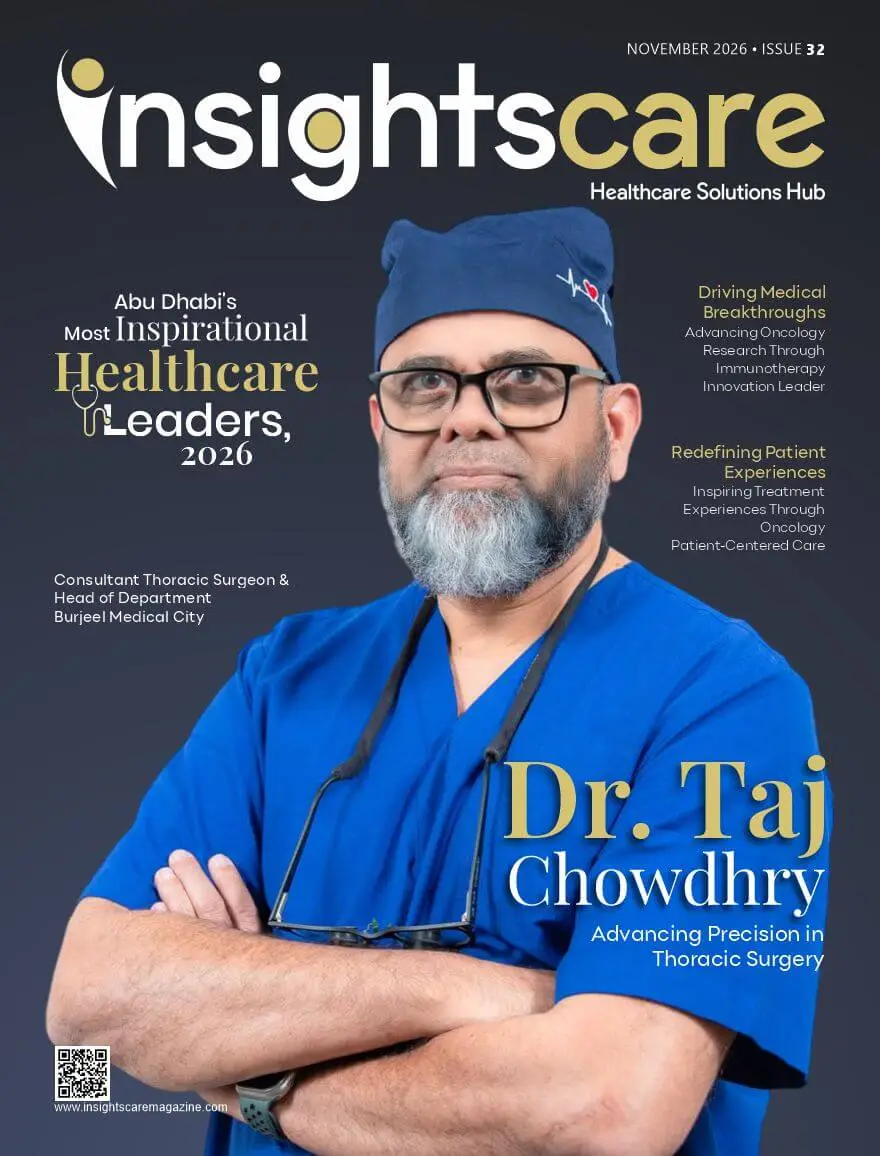
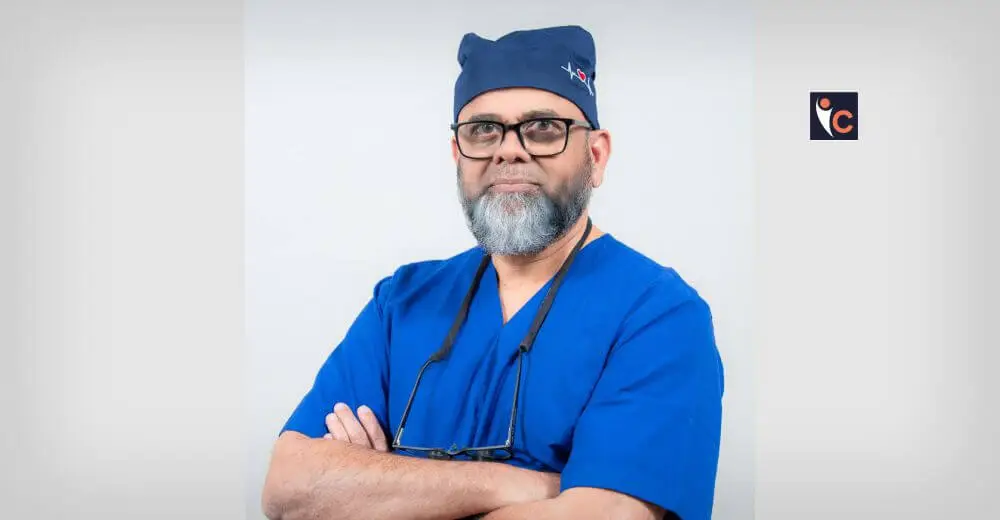
Within this demanding field, Dr. Taj Mohammed Fiyaz Chowdhry has built a career defined by clinical expertise and leadership. As a Consultant Thoracic Surgeon & Head of Department at Burjeel Medical City, he brings with him years of experience. His work reflects a structured approach to patient care, along with a focus on developing systems and teams that support consistency and long-term growth.
His journey is shaped by a commitment to advancing thoracic surgery while ensuring that patient outcomes remain at the center of every decision. Through his clinical practice and leadership role, he continues to contribute to the evolution of the specialty in a rapidly changing healthcare landscape.
Let’s explore the journey, insights, and contributions of Dr. Taj in thoracic surgery.
A Journey Defined by Purpose
Dr. Taj’s professional path reflects a strong foundation shaped by rigorous training and an evolving clinical focus. He graduated from a medical school in India and went on to complete most of his training in the United Kingdom. Over the years, he established himself as a consultant thoracic surgeon in the UK, where he practiced for a considerable period of time, gaining extensive experience across a wide spectrum of thoracic conditions.
Although he was trained in both cardiac and thoracic surgery, he chose to pursue thoracic surgery for its versatility. As he explains, “The field allows you to deal with a wide range of conditions,” making it both clinically dynamic and intellectually engaging. His decision was also influenced by personal experiences. With several family members affected by cancer, he felt a deeper connection to the field of thoracic oncology. This personal motivation gradually shaped his professional direction, and today, thoracic oncology remains his core area of expertise.
His transition from the UK to the Middle East was guided by personal priorities as well as professional opportunity. With his parents based in India and becoming increasingly frail, he wanted to be geographically closer to them while continuing to grow in his career. In 2022, he moved to the Middle East, where he took on a leadership role as the director of thoracic surgery. He was given the challenging task of building the specialty and developing the department across the Middle East and Abu Dhabi.
At the time of his arrival, thoracic surgery was still relatively less practiced in the region. He recalls that “it was still catching up,” presenting both a challenge and an opportunity. Establishing a structured and advanced thoracic surgery practice required not only clinical expertise but also sustained effort in building systems, teams, and processes. “Over time, however, the specialty has steadily progressed, and the region is now moving closer to global standards,” he states.
Establishing a Comprehensive Thoracic Surgery Practice
Over the last five years, Dr. Taj has played a key role in developing services that cover the full spectrum of thoracic surgery. His work has extended beyond direct patient care to building infrastructure, establishing clinical pathways, and creating systems that support consistency and long-term sustainability.
In parallel, he has continuously worked on enhancing his own skill set. Recognizing the growing importance of minimally invasive techniques, he trained in robotic surgery and began incorporating advanced procedures into his practice. Today, he performs uniportal robotic lung resections, a highly specialized approach that reflects both precision and innovation. This has become a defining aspect of his surgical work.
His transition into the Middle Eastern healthcare system also required a significant shift in approach. Moving from a system focused on clinical pathways to one that includes insurance processes and patient-driven decisions brought new dynamics to his practice. Reflecting on this transition, he notes, “The way patients access care and engage with the system is very different, and it requires a more holistic approach beyond just clinical work.”
In this environment, patient engagement and satisfaction play a crucial role. “Patients often choose their surgeons based on reputation, outcomes, and experience”, he says. As a result, maintaining trust becomes essential. Delivering consistent, high-quality care is not only a professional responsibility but also a key factor in sustaining growth, as satisfied patients are more likely to return and refer others.
Currently, he operates across eight hospitals within the same organization, which provides a strong and well-supported healthcare network. This allows him to serve a diverse patient population while contributing to the development of thoracic surgery across multiple locations. On particularly demanding weeks, he performs surgeries across several hospitals, balancing clinical responsibilities with leadership duties. Although he is based in Abu Dhabi, his work extends to Sharjah, Dubai, Al Ain, and other regions, reflecting both the demand for his expertise and his commitment to accessibility.
Leadership Rooted in Training and Trust
As a leader managing multiple teams across different hospitals, Dr. Taj places strong emphasis on building capable and reliable teams. His leadership philosophy is grounded in training, trust, and continuous development.
Even before formally joining the organization, he had already begun contributing by traveling to the Middle East to train nurses, surgical staff, and junior doctors. These early efforts helped establish a foundation of learning and collaboration. As he emphasizes, “Training is not a one-time activity, but an ongoing process that requires consistent effort and engagement.”
He continues to conduct training sessions, courses, and hands-on mentoring, ensuring that his teams are well-equipped to deliver high-quality care. This approach helps maintain consistency across different hospitals and ensures that standards are upheld regardless of location.
Equally important is the element of trust. He believes that “When team members feel supported in their professional growth, they are more likely to take ownership of their roles and contribute effectively”. This creates a balanced environment where leadership and teamwork work in alignment toward a common goal.
Navigating Challenges Through Consistency and Engagement
One of the key challenges Dr. Taj identifies in the region is staff retention. Healthcare professionals who receive training and gain experience often move on to better opportunities, making it necessary to continuously invest in developing new team members.
As a result, training becomes an integral part of daily practice. Before beginning surgeries or clinics, he dedicates time to teaching, mentoring, and reviewing progress. This consistent effort ensures that teams remain competent, confident, and aligned with clinical expectations.
In addition to professional development, he also recognizes the importance of building strong interpersonal relationships within teams. He notes that, “Social interactions, including team outings and informal gatherings, help create a sense of belonging. These moments strengthen communication and collaboration, which are essential in high-pressure clinical environments.”
His leadership approach is also influenced by his experience in the UK, particularly in the area of clinical governance. Maintaining standards, ensuring accountability, and continuously monitoring quality were key aspects of his work, and these principles continue to guide his practice today.
Empowerment as a Leadership Philosophy
At the core of Dr. Taj’s leadership philosophy is empowerment. He believes that “A leader’s role is to help individuals recognize and develop their potential.”
As he puts it, “Once people start believing in themselves, they become open to learning,” highlighting the importance of confidence in professional growth. When individuals feel capable and supported, they are more willing to take initiative and improve their performance.
This approach not only enhances individual development but also strengthens the overall effectiveness of the team. By creating an environment where people feel valued and encouraged, he fosters a culture of accountability and continuous improvement.
Empathy in Healthcare: A Natural Foundation
Empathy plays a fundamental role in healthcare, particularly when working with patients facing serious conditions. Dr. Taj believes that “Empathy is an inherent quality among healthcare professionals.”
According to him, the field naturally attracts individuals who are inclined toward helping others. Recruitment processes further ensure that this quality is present within teams. As a result, the focus shifts toward equipping professionals with the skills and knowledge required to provide the best possible care.
This is where structured training and continuous learning become essential, enabling healthcare providers to combine empathy with clinical excellence.
Driving Innovation Through Organizational Support
Dr. Taj describes his journey within the organization as both rewarding and transformative, supported by a culture that emphasizes patient care, innovation, and progress.
The organization is equipped with advanced technologies comparable to those of leading institutions in the West, enabling clinicians to deliver high-quality care. He highlights that “We now have access to technology that matches global standards,” reinforcing the organization’s forward-looking approach. One of the most significant advancements has been the adoption of the Da Vinci XI robotic system. Over the past three years, more than 1000 procedures have been performed using this technology, reflecting a strong commitment to innovation.
For him, this environment provided an opportunity to expand his own expertise. While he was not practicing robotic surgery during his time in the UK, he was able to receive the necessary training and support after moving to the Middle East. Today, he is known for his work in uniportal robotic-assisted thoracic surgery, which represents a significant advancement in the field.
Enhancing Patient Outcomes Through Advanced Techniques
The use of minimally invasive and robotic techniques has become a key part of Dr. Taj’s surgical practice, contributing to improved patient outcomes. He notes, “patients experience less pain and recover faster,” which directly impacts their overall treatment experience.
In his experience, shorter hospital stays and quicker recovery times not only improve patient satisfaction but also contribute to greater efficiency within the healthcare system. This approach has gradually contributed to a growing patient base, with individuals traveling from regions such as Africa, Europe, Russia, the Gulf, and India to seek treatment.
He also observes that much of this growth is driven by patient experience. As outcomes improve, patients tend to share their experiences, leading to further trust and referrals. For him, this reinforces the importance of maintaining consistency in results and delivering care that patients can rely on.
A Multidisciplinary Approach to Oncology Care
Oncology remains a key area of focus in Dr. Taj’s work, supported by the Burjeel Institute, where care is delivered in a structured and coordinated manner across the patient journey. The institute is structured to ensure that every patient receives timely, well-integrated treatment aligned with their specific condition.
A significant part of this process is the multidisciplinary approach. Regular meetings bring together experts from various fields, including surgeons, oncologists, radiologists, pulmonologists, rehabilitation specialists, and palliative care professionals. He explains that, “Oncology care is never managed by a single specialist; it always involves a team approach.”
For him, these discussions are essential in shaping treatment decisions. Each case is reviewed collectively, allowing different clinical perspectives to guide the final plan. This ensures that patients are not only treated effectively but are also supported through a more coordinated process.
Screening programs and structured care pathways further support this approach, helping maintain consistency while still allowing flexibility based on individual patient needs. In his view, this balance is important to ensure continuity in care and better overall outcomes.
Supporting Recovery and Continuity of Care
In oncology, treatment often involves multiple stages, making recovery and continuity of care essential. Dr. Taj focuses on enabling patients to regain fitness quickly so they can proceed with further treatments such as chemotherapy or immunotherapy.
His approach emphasizes the importance of viewing care as a continuous journey rather than isolated stages. By prioritizing recovery and coordination, he ensures that patients remain supported throughout their treatment experience.
Expanding Reach and Standardizing Excellence
Dr. Taj remains closely involved in the effort to standardize care across all locations within the organization. His focus is on ensuring that patients receive consistent quality regardless of geography, whether in Abu Dhabi, Sharjah, Dubai, Al Ain, or beyond. He emphasizes that “The aim is to deliver the same standard of care across all centers.”
This vision is being realized through the strengthening of clinical teams, the implementation of uniform protocols, and a continued emphasis on maintaining high training standards. He plays an active role in this process, contributing to both team development and the alignment of practices across multiple locations.
At the same time, the organization is expanding its presence into Oman, Bahrain, and parts of Africa. While this expansion brings operational challenges, it also creates opportunities to extend high-quality care to a broader population. For him, this growth reflects a larger commitment, not just to expansion, but to ensuring that advanced thoracic care becomes more accessible across regions.
Guiding the Next Generation of Healthcare Professionals
For aspiring healthcare professionals, Dr. Taj emphasizes the importance of purpose, dedication, and patient-centered thinking. He states that, “If you keep the patient at the center, everything else follows.”
He also highlights the importance of staying adaptable in a rapidly evolving field. Advances in technology and treatment approaches continue to reshape healthcare, making continuous learning essential for long-term success.
Advancing Surgical Practices and Looking Ahead
As thoracic surgery continues to evolve, Dr. Taj remains actively focused on advancing newer techniques, including spontaneous breathing surgery, which allows patients to breathe naturally during procedures and supports faster recovery.
He continues to prioritize workshops and training programs to develop techniques and share knowledge across teams. At the same time, efforts are being made to take standardized protocols to a broader level, reflecting a commitment to continuous improvement.
His work reflects a balance of clinical expertise, leadership, and innovation. Through his dedication to patient care, training, and advancement, he continues to contribute to the evolution of thoracic surgery while ensuring that patients remain at the center of every effort.