
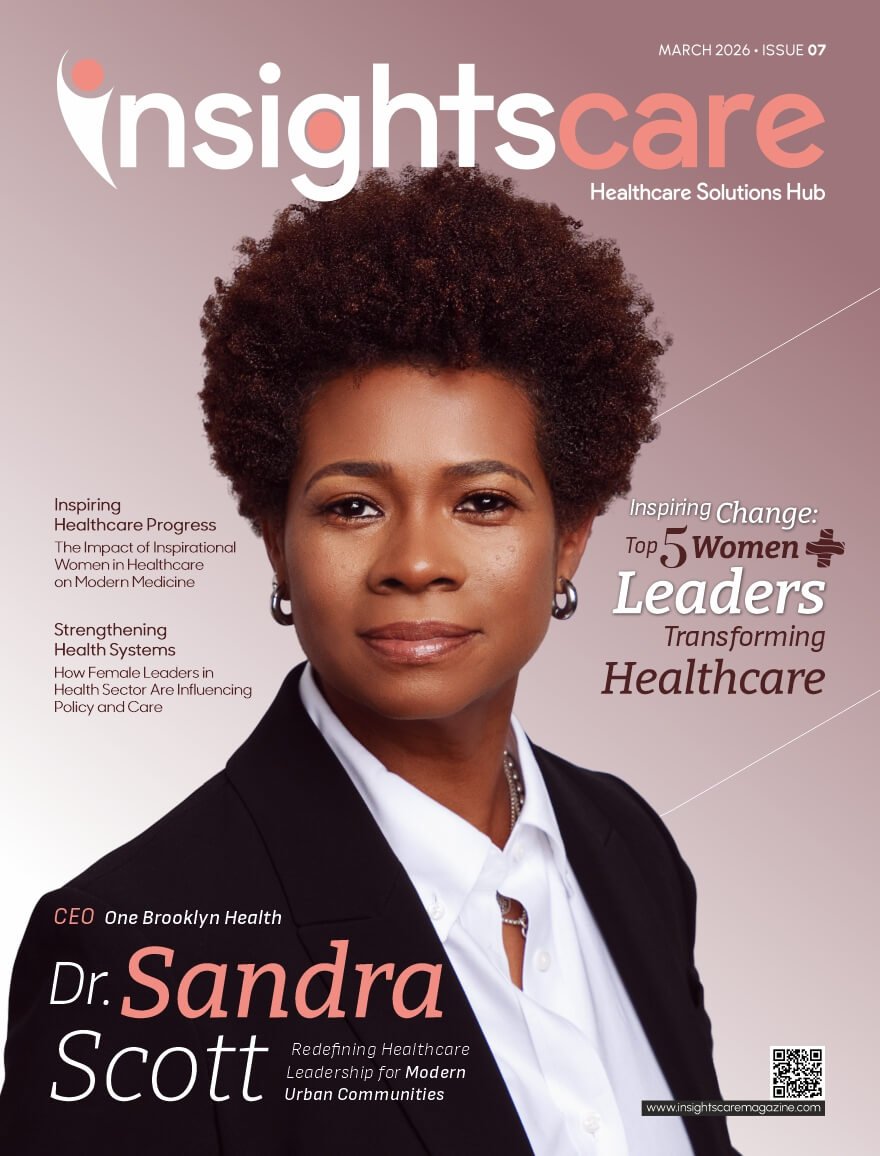




Strengthening Health Systems
Across the global healthcare sector, women are stepping into stronger leadership roles and changing how systems work, how policies are made, and how care is delivered. The growing influence of female leaders is helping close long-standing gaps while building healthcare systems that are more inclusive, resilient, and adaptable. Their leadership blends clear strategy with a strong focus on people, leading to real improvements in both policies and daily operations.
The article looks at how female leaders in health sector are improving policies, encouraging innovation and making healthcare systems stronger and more inclusive.
Redefining Leadership in Global Health
Female leaders in health sector are taking on important roles in global organizations and helping create a more inclusive style of leadership. They are setting health priorities, improving access to essential medicines, and strengthening responses to diseases. They collaborate with governments, companies and non-profits to develop policies that aim at making healthcare inexpensive, available and equitable.
In the pharmaceutical and biotechnology sectors, women executives are leading innovation with a strong focus on patient needs. They manage regulatory challenges, speed up approval processes, and ensure that important treatments reach patients faster. By combining scientific progress with real patient insights, they help deliver solutions that are both practical and inclusive.
Advancing Policy Through Inclusive Advocacy
Leaders are playing a key role in shaping policies that reduce gaps in healthcare access and outcomes, with female leaders in health sector contributing significantly. As policymakers and advisors, they pay attention to such areas as preventive care, maternal health, and public health systems. Their decisions help send resources where they are needed most, especially in underserved communities.
At global platforms, they work to reduce barriers to essential medicines and strengthen supply chains. They also ensure that gender equity remains a core part of national health strategies, with continued attention to reproductive health, chronic diseases, and sanitation. These efforts improve accountability and make policies more aligned with real needs.
In regions affected by conflict, their role often goes beyond healthcare. They help maintain services, bring stakeholders together, and support stability. The integration of healthcare leadership and mediation activities enables them to create better and more trusting systems even in challenging circumstances.
Driving Innovation in Care Delivery
Female leaders in health sector are driving growth in biotechnology and digital health. They support new treatments like cell therapies and targeted medicines, while also making sure these solutions are easy to access and suitable for different communities.
They are also leading digital health platforms that are improving access to care, especially in low-resource settings. Services like reproductive health support and risk prediction tools are helping detect health issues earlier and improve outcomes. Their interest in information and ease of use is transforming how individuals navigate healthcare.
They stimulate more inclusive clinical trials and quicker approval procedures of treatments aiming at the health of women in regulatory regions. This helps create better evidence and supports more personalized care.
Strengthening Systems Through Inclusive Leadership
Leaders are improving healthcare systems by developing the workforce, using resources better, and following ethical practices, with female leaders in health sector playing an important role. They build organizations that are stable, efficient, and focused on long-term success. Their leadership encourages teamwork, improves retention, and supports continuous learning.
Women constitute a significant portion of the world’s healthcare workforce, and therefore, their ascendancy bridges the gaps in representation. They promote policies that support training, mentorship, and fairness, making healthcare systems more responsive and adaptable.
They also collaborate with the communities and assist local networks and participation on the grassroots level. This makes the healthcare delivery relevant, effective, and community-oriented.
Overcoming Barriers and Shaping the Future
Despite challenges like bias and system barriers, female leaders in health sector keep moving forward through teamwork and determination. They build strong networks, support mentorship, and find new ways to access funding and opportunities.
They are also changing workplace culture by promoting inclusion and equal opportunities. Through leadership programs and fair practices, they create environments where diverse talent can grow and succeed.
In the future, it will be significant to sustain investment in education, training, and supportive policies. With the right support, they can further strengthen healthcare systems and make them more prepared for future challenges.
Conclusion
Female leaders in health sector have become a strong and steady force in global healthcare. They are transforming leadership in the industry by undertaking good policymaking, innovation, and an emphasis on fairness.
Their efforts are strengthening healthcare systems and ensuring that care continues to improve for people everywhere. As their influence grows, healthcare systems will become more inclusive, responsive, and better equipped to meet the needs of diverse populations.