



Transforming Patient Care
The Indian healthcare sector is undergoing a revolution. The changing expectations of patients, their demands, and the technological advancements have necessitated that hospitals and healthcare institutions rethink their approach to delivering medical services.
Technology has helped make healthcare delivery easy and effective for hospitals and healthcare institutions, irrespective of where they operate – be it urban or rural.
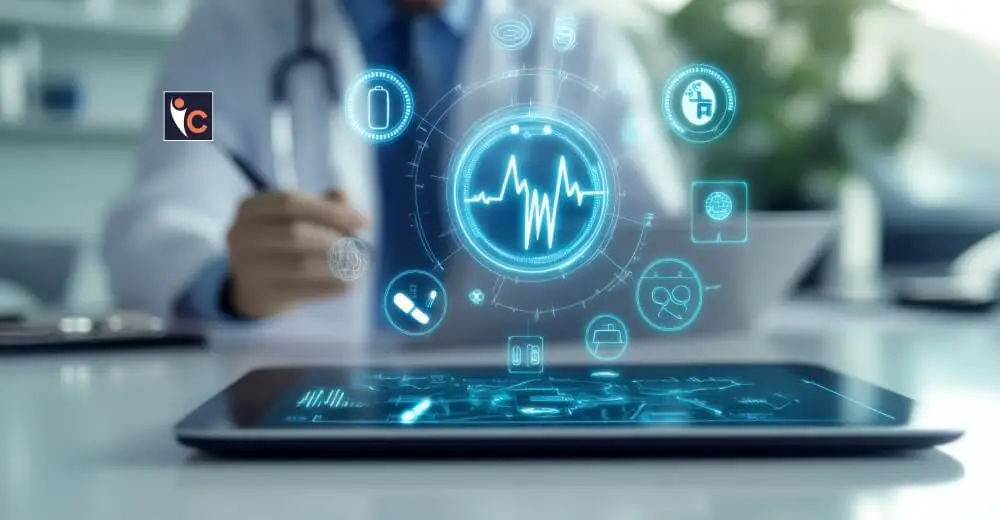
It is not just a matter of digitizing the Indian healthcare sector; it is a revolution in the way healthcare services are delivered and managed. Technologies such as artificial intelligence, telemedicine, wearable technology, cloud computing, and electronic health records have created an integrated system of healthcare.
From the above facts, it can be said that the advent of digital healthcare in India will usher in a healthier future ahead.
Healthcare Technology Solutions are Enhancing Patient Accessibility
Another great benefit from using technology solutions in the healthcare sphere is to provide more access to medical facilities for all population groups living in India. Millions of village residents could not receive any kind of medical assistance due to the low development of healthcare facilities and the shortage of specialists.
This problem has been solved thanks to telemedicine services that enable people to contact a doctor without the need for travel.
People can now consult specialists, get prescribed medication, and schedule future appointments through mobile and computer technologies.
Moreover, there are many applications that help to make an appointment, use medical history data, monitor chronic illnesses, and get reminders about medication intake. Such technologies will solve the problem of the rural and urban healthcare divide.
Healthcare Technology Solutions are Transforming Hospital Operations
Operational management plays an essential role in any successful healthcare organization. The technologies aimed at helping manage healthcare make it possible for hospitals to become more efficient in terms of administration and assist doctors in concentrating on therapy.
The integration of the patient registration department, billing department, laboratory services, pharmacy, scheduling, and inventory is achieved by the Hospital Information Management System (HIMS).
It makes it easy to streamline the processes, reduce unnecessary paperwork, and administrative work.
Appointment scheduling, processing of insurance documents, and admission of patients also become simpler tasks.
It ensures the smooth exchange of information among different departments of a hospital and even among hospitals. Effective management leads to higher efficiency and reduced waiting time.
Healthcare Technology Solutions are Strengthening Data Security and Compliance
The introduction of digital health has made it imperative to protect patient data at all costs. Cybersecurity components are inherent within the technologies that are used in healthcare, so as to ensure protection of patients’ data as well as compliance with the new data security requirements.
Encryption technology, cloud computing, multi-factor authentication, and role-based access control have become important factors in protecting sensitive information related to the healthcare industry. Hospitals have started conducting audits on cybersecurity to ensure protection from cyberattacks as well as ransomware attacks.
Another way in which information can be secured through healthcare information is by the implementation of blockchain technology. Not only does data governance offer protection for patients’ data, but it also helps build trust within digital health care technology.
Healthcare Technology Solutions are Accelerating Medical Research and Innovation
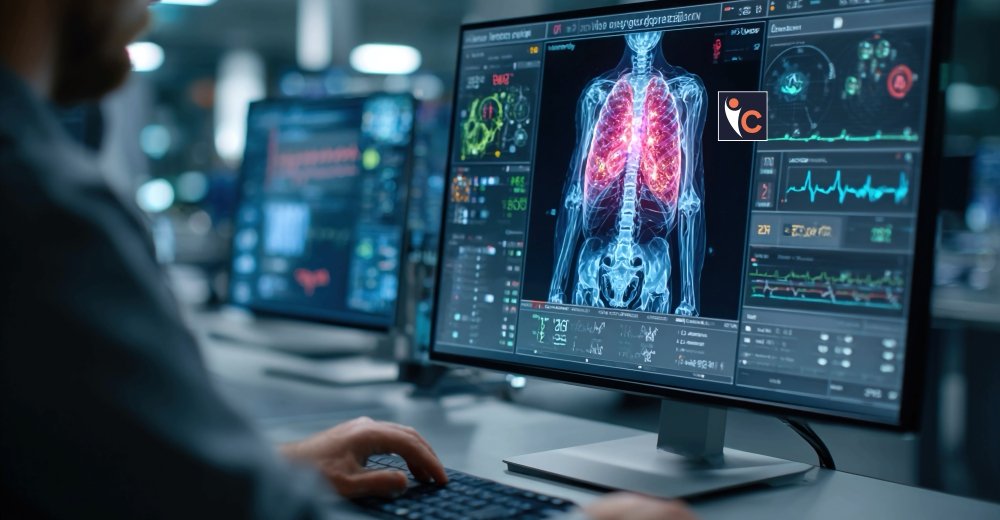
Medical research greatly benefits from the huge amounts of data being created in the healthcare industry on a daily basis. Technologies used in the healthcare sphere help analyze this data, find trends related to diseases, measure the efficiency of some medicines, and facilitate the development of clinical research.
With the help of artificial intelligence, thousands of medical records can be processed much faster than through classical means of research, and useful data can be acquired that can be helpful in personalized medicine.
Big data analysis allows pharmaceutical firms to choose patients for participating in clinical trials, predict disease outbreaks, and improve the process of drug creation. Therefore, it reduces the time of the research and makes it more efficient.
This cooperation of hospitals, research institutions, technology firms, and healthcare startups helps develop the healthcare system in India.
The Future of Healthcare Technology Solutions in India
The future orientation of the healthcare sector in India will largely depend on continual technological advancements and growing digitization. Such technologies as robotic surgery, predictive analytics, Internet of Medical Things, genomics, and personalized medicine are only some of the trends that will transform the healthcare industry in the upcoming years.
A number of government initiatives to build digital health infrastructure and private investment in the field create an environment in which innovations in healthcare technologies can flourish.
However, the implementation of all the innovative potential of the industry requires continual investments into digital literacy, training of healthcare professionals, cybersecurity, and equal access to technological infrastructure in both rural and urban settings. Innovation and patient-centricity will be the key values of a successful organization.