
Prime Highlights
- OpenAI rolls out a Health platform inside ChatGPT, letting US users connect medical records and tools like Apple Health.
- ChatGPT can now shape answers around a person’s own lab results, diagnostic tests and medical history.
Key Facts
- Close to 300 million people ask ChatGPT health questions every week.
- OpenAI positions the tool as a support to doctors, not a substitute.
Background
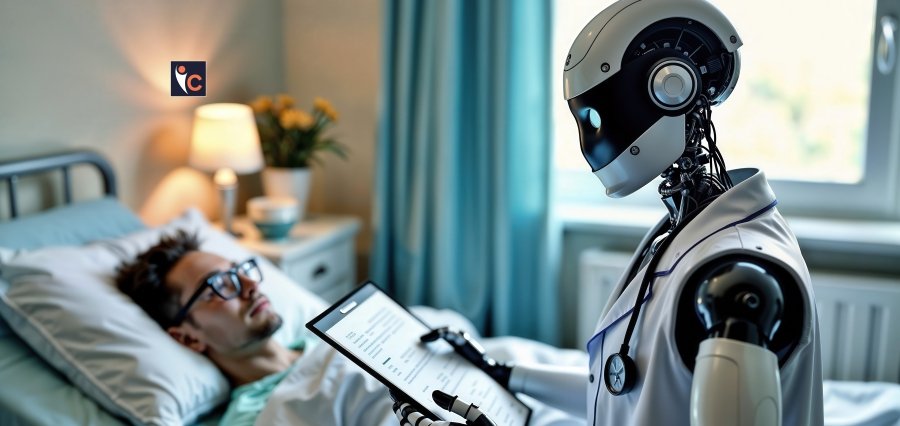
OpenAI rolled out a new Health platform inside ChatGPT this week, giving US users a fresh way to seek personal health guidance. The feature lets people securely link supported medical records and outside data sources, including Apple Health, so ChatGPT can weigh a person’s medical history, lab results and diagnostic tests when it answers questions.
ChatGPT already handled general queries about symptoms, conditions and treatments. This addition pushes that further, shaping responses around a person’s actual health data instead of sticking to broad, one-size-fits-all information. OpenAI frames the move as part of a longer push toward more personalized, context-driven assistance across its products.
Nearly 300 million people open ChatGPT each week with health-related questions, the company says. The new integration means those users can now pull answers grounded in their own records rather than generic guidance.
Analysts point to the launch as an early marker of where healthcare delivery might be trending, given how AI already handles everyday work like writing emails and clearing routine tasks. Connecting ChatGPT to wellness apps such as Apple Health extends that shift into everyday personal health tracking.
Experts still draw a firm line. They stress the tool cannot stand in for a doctor. Good healthcare often rests on judgment that no dataset can fully capture, including a patient’s social circumstances and state of mind.
That human read on a situation still shapes treatment plans that actually work, which is part of why medicine gets called an art as much as a science.
Officials expect the platform to widen access to health knowledge for a large user base, but they maintain such tools work best as a support layer next to doctors, not a replacement for one.