



Prime Highlights:
- Researchers have discovered a new way to grow corticospinal neurons, the rare nerve cells that control movement and are damaged in ALS and spinal cord injuries.
- The breakthrough enables more accurate lab models to study these diseases and could pave the way for testing new treatments.
Key Facts:
- The team used a novel gene-control method to transform brain progenitor cells into neurons that mimic corticospinal cells in shape, markers, and electrical activity.
- The research, published in eLife, was conducted entirely in laboratory conditions, with further studies needed to determine if the cells can survive and function inside the body.
Background
Scientists have discovered a new way to grow a rare type of nerve cell that controls movement and is harmed in ALS and spinal cord injuries. This research, published in eLife, gives a clearer way to study these diseases and test new treatments.
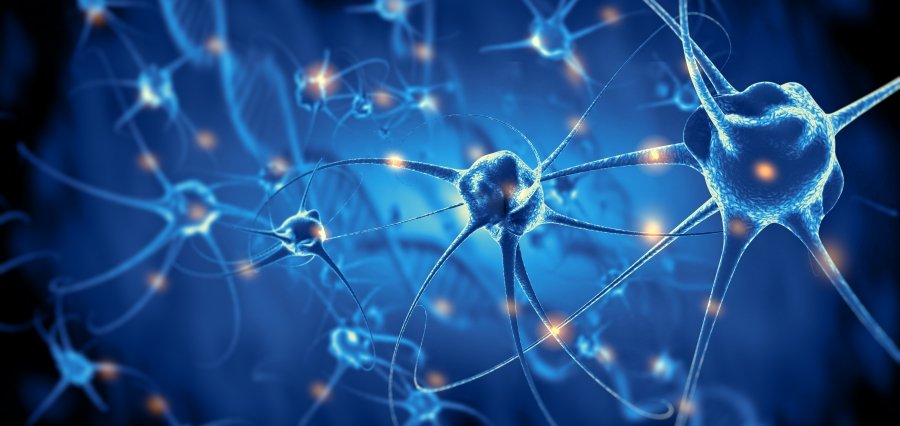
The nerve cells, known as corticospinal neurons, send signals from the brain to the spinal cord to control voluntary movement. In people with ALS, these cells slowly break down. They are also badly damaged when the spinal cord is injured. Until now, scientists have struggled to grow these exact cells in the lab, limiting research progress.
In the study, researchers looked at a small group of brain progenitor cells in the adult and young cortex. These cells can still become neurons. By guiding their growth, the team successfully transformed them into neurons resembling corticospinal neurons.
To achieve this, the scientists used a new gene-control method that directs how the cells grow and mature. The lab-grown neurons showed the same shape, key markers, and electrical activity as natural corticospinal neurons. This made them more accurate than neurons created using older, simpler methods.
The researchers said this breakthrough can help create better lab models to study ALS and spinal cord injuries. It may also support future work on repairing damaged nerve pathways.
The study was carried out in laboratory conditions only. Researchers stressed that more work is needed to see if these cells can survive, connect, and function properly inside the body. If successful, the approach could one day support drug testing and new therapies for serious nerve diseases.